White House Infrastructure Bill: $500 Billion by 2027
Advertisements
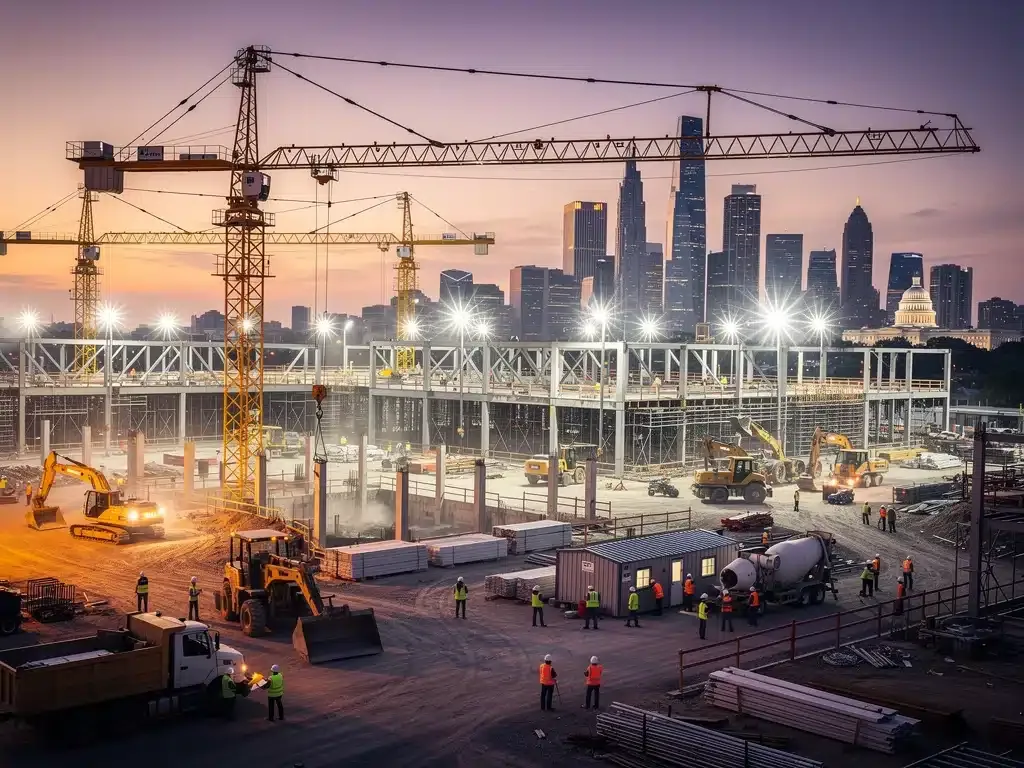
The White House is preparing to unveil an ambitious infrastructure bill targeting $500 billion in funding by 2027.
Here is a direct breakdown of the proposed spending across transportation, clean energy, broadband, and water networks, along with key timelines and economic projections.
White House Infrastructure Bill: The Scope of the $500 Billion Plan
The upcoming White House Infrastructure Bill is poised to be one of the most substantial federal investments in recent history, earmarking $500 billion for projects spanning the next four years.
This financial commitment reflects a deep understanding of the systemic challenges facing the nation’s infrastructure, from crumbling roads to outdated power grids.
This sweeping proposal is designed not just to repair but to transform, integrating advanced technologies and sustainable practices.
The administration views this as a generational opportunity to build a more resilient, efficient, and future-ready America, with the White House Infrastructure Bill serving as the cornerstone.
Initial reports suggest a multi-faceted approach, distributing funds across a diverse portfolio of projects rather than concentrating solely on one area.
This broad allocation aims to ensure widespread impact and address critical needs in both urban and rural communities nationwide.
Key Investment Areas: Transportation and Energy
A significant portion of the $500 billion from the White House Infrastructure Bill is expected to be directed towards revitalizing the nation’s transportation infrastructure.
This includes substantial upgrades to highways, bridges, public transit systems, and airports, aiming to improve connectivity and reduce commute times.
The plan also places a strong emphasis on clean energy projects, reflecting a commitment to combating climate change and fostering energy independence.
Investments are anticipated in renewable energy sources, grid modernization, and electric vehicle charging infrastructure, aligning with broader environmental goals.
These investments are not just about physical improvements; they are designed to create a more efficient and environmentally friendly national network.
The modernization efforts under the White House Infrastructure Bill are expected to have a ripple effect, stimulating innovation in related industries.
- Upgrading and repairing over 10,000 miles of highways and major roads.
- Rebuilding or rehabilitating 4,000 structurally deficient bridges.
- Expanding access to high-speed rail corridors in key economic regions.
- Investing in smart grid technologies to enhance energy distribution reliability.
The focus on these core areas demonstrates a strategic vision to enhance both economic productivity and environmental sustainability.
The White House Infrastructure Bill aims to lay the groundwork for decades of progress, ensuring that the United States remains competitive on the global stage.
Driving Economic Growth and Job Creation
A central tenet of the proposed White House Infrastructure Bill is its potential to ignite significant economic growth and create a substantial number of jobs across the country.
Economic analysts project that such a massive federal investment could directly and indirectly support millions of jobs, ranging from construction workers to engineers and material suppliers.
The ripple effect of these investments is expected to extend far beyond the immediate construction sites, boosting local economies through increased demand for goods and services.
This job creation aspect is a key selling point for the White House Infrastructure Bill, appealing to a broad spectrum of political and economic stakeholders.
By injecting capital into foundational sectors, the administration aims to stimulate a broader economic recovery and foster long-term prosperity.
This strategic spending is designed to address both immediate employment needs and future economic resilience, making the White House Infrastructure Bill a pivotal economic policy.
Targeted Job Sectors and Workforce Development
The White House Infrastructure Bill is expected to create a diverse array of job opportunities across multiple sectors.
Beyond traditional construction roles, there will be significant demand for skilled labor in engineering, project management, environmental assessment, and technology development, particularly in areas like smart infrastructure and renewable energy.
The administration is also reportedly considering provisions for workforce development programs to ensure that Americans are trained for these new jobs.
This proactive approach aims to address potential skill gaps and provide pathways to high-paying careers, maximizing the social benefits of the White House Infrastructure Bill.
These initiatives underscore a commitment to not only building physical infrastructure but also investing in human capital. The focus on training and development ensures that the benefits of this economic stimulus are widely distributed and sustainable over time.
- Direct creation of jobs in construction, manufacturing, and engineering.
- Indirect job growth in supply chains, logistics, and related services.
- Emphasis on training programs for green jobs and advanced manufacturing.
- Opportunities for small businesses and local contractors to participate in projects.
The focus on both job creation and workforce development highlights the comprehensive nature of the White House Infrastructure Bill.
It’s designed to be a catalyst for both immediate economic activity and long-term economic empowerment for American workers.
Broadband Expansion and Digital Connectivity
A critical component of the emerging White House Infrastructure Bill is a substantial investment in broadband expansion, aiming to bridge the digital divide that persists across many parts of the United States.
Access to reliable high-speed internet is no longer a luxury but a necessity for education, healthcare, and economic participation.
The proposed $500 billion package includes significant allocations to ensure that every American household and business has access to affordable, high-speed internet by 2027.
This initiative recognizes that modern infrastructure extends beyond physical roads and bridges to include robust digital networks.
This focus on digital connectivity is expected to unlock new economic opportunities, particularly in rural and underserved areas, fostering innovation and improving quality of life.
The White House Infrastructure Bill aims to make digital inclusion a reality for all citizens.
Modernizing Water Systems and Resilient Infrastructure
Beyond transportation and digital networks, the White House Infrastructure Bill is also set to address the pressing need for modernizing the nation’s water infrastructure.
Investments will target aging water pipes, wastewater treatment facilities, and stormwater management systems to ensure clean drinking water and prevent environmental contamination.
Furthermore, the bill emphasizes building more resilient infrastructure capable of withstanding the impacts of climate change, such as extreme weather events.
This includes funding for coastal protection, wildfire mitigation, and upgrades to critical infrastructure to enhance its durability and adaptability.
These investments are crucial for public health, environmental protection, and long-term community safety.
The comprehensive approach of the White House Infrastructure Bill seeks to safeguard essential services and protect communities from future threats.
Legislative Outlook and Political Challenges
While the White House Infrastructure Bill presents a compelling vision for national renewal, its path through Congress is anticipated to be challenging.
Securing bipartisan support for such a massive spending package will require extensive negotiations and potential compromises, given the current political landscape.
The administration is reportedly engaging with lawmakers from both parties to build a coalition, emphasizing the broad economic benefits and the critical national need for these investments.
The success of the White House Infrastructure Bill hinges on navigating these complex political dynamics effectively.
Key areas of debate are expected to include the overall cost, funding mechanisms, and the allocation of resources across different states and project types. The administration’s ability to forge consensus will be paramount in transforming this proposal into law.
Funding Mechanisms and Fiscal Responsibility
One of the most significant aspects of the White House Infrastructure Bill that will face scrutiny is its funding strategy.
Discussions are underway regarding various options, including potential tax adjustments, bond issuances, and reallocating existing federal funds.
The administration is keen to present a plan that demonstrates fiscal responsibility while still achieving its ambitious infrastructure goals.
Balancing the need for substantial investment with concerns about the national debt will be a delicate act for the White House Infrastructure Bill.
Transparency in funding and a clear articulation of the long-term economic returns on these investments will be crucial for gaining public and legislative confidence.
The economic rationale for the White House Infrastructure Bill will be a key talking point in upcoming debates.
Impact on States and Local Communities
The White House Infrastructure Bill is designed to have a transformative impact at the state and local levels, providing much-needed funding for projects that have long been delayed due to budgetary constraints.
States will likely receive significant federal grants and matching funds, enabling them to undertake critical upgrades to their local infrastructure.
This influx of federal investment will empower communities to address specific local needs, from improving neighborhood roads to upgrading public parks and community facilities.
The decentralized approach aims to ensure that the benefits of the White House Infrastructure Bill are felt across the nation.
Local governments and regional planning organizations are already preparing proposals and identifying priority projects that could benefit from this historic funding opportunity.
The anticipation surrounding the White House Infrastructure Bill is palpable in communities eager for revitalization.
Equity and Environmental Justice Considerations
A key focus of the White House Infrastructure Bill is ensuring that investments promote equity and environmental justice.
The plan aims to direct resources to underserved communities, including those historically marginalized or disproportionately affected by pollution and inadequate infrastructure.
This includes prioritizing projects that create jobs in disadvantaged communities, improve access to clean water and air, and enhance public services in areas that have been neglected.
The administration is committed to using the White House Infrastructure Bill as a tool for social and economic upliftment.
By integrating equity considerations into infrastructure planning, the bill seeks to rectify past injustices and build a more inclusive future.
This ethical dimension is a significant aspect of the White House Infrastructure Bill’s overall vision.
The Long-Term Vision: America’s Future Infrastructure
The White House Infrastructure Bill represents more than just a short-term economic stimulus; it embodies a long-term vision for America’s future infrastructure.
The goal is to build systems that are not only efficient and reliable today but also adaptable and resilient for the challenges of tomorrow, including climate change and technological advancements.
By investing in smart infrastructure, renewable energy, and advanced transportation, the bill aims to position the United States as a global leader in innovation and sustainability.
This forward-thinking approach is central to the administration’s strategy for maintaining national competitiveness.
The comprehensive nature of the White House Infrastructure Bill reflects a belief that robust infrastructure is the bedrock of a thriving economy and a high quality of life. This ambitious plan seeks to secure America’s prosperity for generations to come.
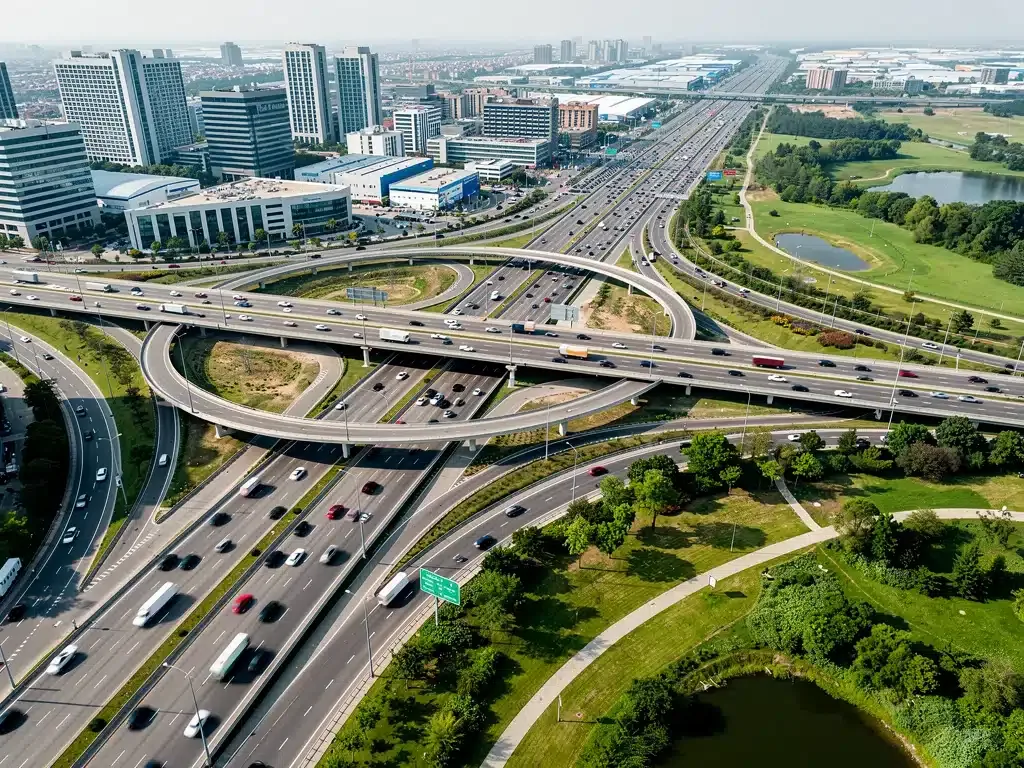
The strategic investments outlined in the White House Infrastructure Bill are designed to create a lasting legacy.
From enhanced connectivity to cleaner energy, the plan aims to deliver tangible benefits that will shape the nation’s trajectory for decades.
| Key Aspect | Description |
|---|---|
| Total Investment | $500 Billion targeting projects by 2027. |
| Key Sectors | Transportation, Clean Energy, Broadband, Water Infrastructure. |
| Economic Impact | Millions of jobs created, significant economic growth. |
| Legislative Outlook | Requires bipartisan support; funding mechanisms under debate. |
Frequently Asked Questions About the White House Infrastructure Bill
What is the total proposed spending for the White House Infrastructure Bill?▼The White House Infrastructure Bill proposes a substantial $500 billion in spending. These funds are earmarked for various infrastructure projects to be completed or initiated by the year 2027, representing a significant federal investment in the nation’s future.
Which sectors will benefit most from this infrastructure bill?▼Key sectors set to benefit include transportation (roads, bridges, public transit), clean energy (renewables, grid modernization), broadband internet expansion, and water infrastructure upgrades. The bill aims for a comprehensive overhaul across these critical areas to improve daily life and economic efficiency.
How will the White House Infrastructure Bill impact job creation?▼The bill is expected to create millions of jobs directly in construction, engineering, and manufacturing, as well as indirectly in related industries like logistics and supply chains. It also emphasizes workforce development to train Americans for these new opportunities, fostering long-term employment.
What are the main goals of the broadband expansion initiative?▼The primary goal is to ensure universal access to affordable, high-speed internet for all American households and businesses. This aims to bridge the digital divide, especially in rural and underserved areas, thereby enhancing educational, healthcare, and economic opportunities nationwide.
What are the political challenges facing the passage of this bill?▼The bill faces significant political challenges, primarily in securing bipartisan support in Congress. Debates are anticipated over the overall cost, funding mechanisms, and resource allocation. Successful passage will depend on the administration’s ability to negotiate and build consensus among lawmakers.
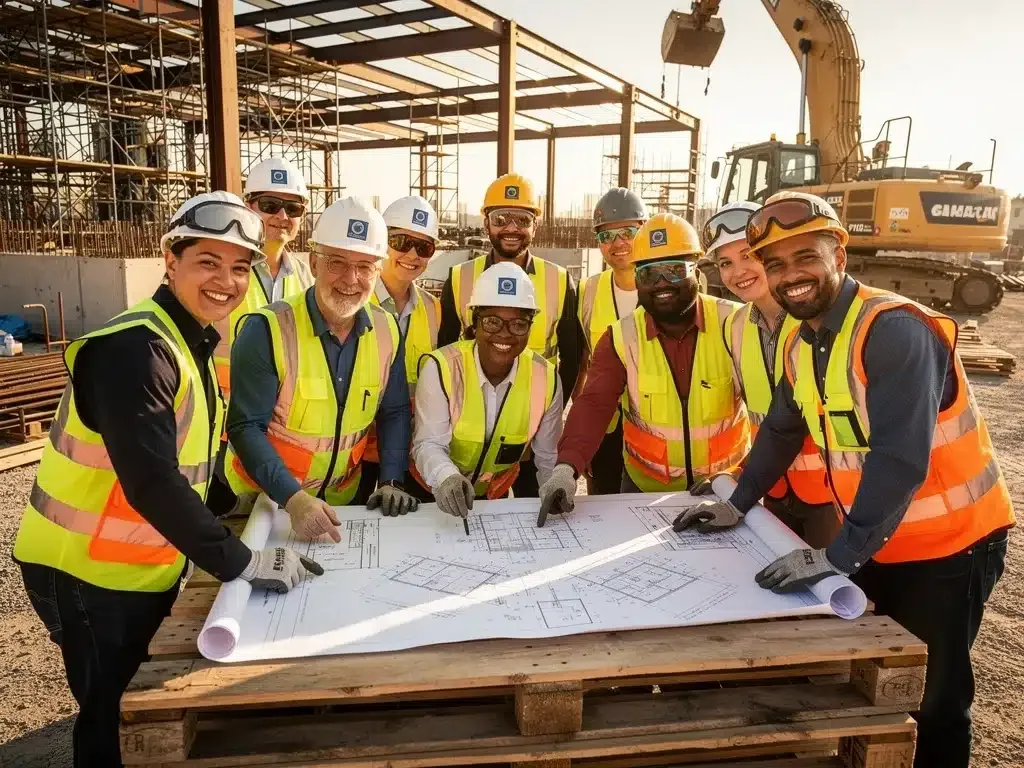
Looking Ahead: The Future of American Infrastructure
The proposed White House Infrastructure Bill represents a pivotal moment for the nation, signaling a determined effort to address long-standing infrastructural deficiencies and prepare for future challenges.
As legislative discussions intensify, the focus will remain on the specific projects, their funding, and the tangible benefits they promise to deliver across states and local communities.
This initiative is not merely about repair but about reimagining America’s foundational systems for the 21st century and beyond.
Stakeholders, from industry leaders to local residents, will closely monitor the bill’s progress, anticipating its potential to reshape the economic and social landscape.
To track statutory provisions, federal allocations, and legislative history, explore full text details on Congress.gov H.R. 3684 – Infrastructure Investment and Jobs Act.
The success of the White House Infrastructure Bill will ultimately be measured by its ability to foster sustainable growth, enhance connectivity, and improve the quality of life for all Americans, setting a new standard for national development.