VA Disability Rating Schedule Updates: 50% Ratings & 2026 Criteria
Advertisements
Hearing rumors about sweeping regulatory overhauls can spark immediate anxiety when your monthly tax-free benefits and Priority Group 1 healthcare depend on your current evaluation. Navigating the latest VA Disability Rating schedule updates requires separating pending federal rule proposals from the active 2026 compensation rules that protect veterans at the 50% threshold.
While proposed VA revisions for sleep apnea, mental health, and tinnitus remain under multi-year regulatory review rather than finalized law, existing evaluations stay protected from automatic reductions unless a veteran files for an increase or undergoes a scheduled re-examination.
Meanwhile, active 2026 payment charts already reflect the 2.8% COLA boost—setting the 50% base rate at $1,132.90 per month for a veteran alone—ahead of the 3.6% adjustment taking effect in December.
Whether you are protecting an established 50% evaluation, preparing medical evidence for a secondary claim, or tracking Concurrent Retirement and Disability Pay eligibility, knowing what is actually in force prevents costly filing mistakes. Here are the key regulatory updates, active compensation figures, and claim documentation steps you need to monitor next.
Understanding the 2026 VA Disability Rating Schedule Updates
The impending VA Disability Rating represents a comprehensive overhaul of how certain conditions are evaluated. These changes are designed to modernize the rating system, aligning it with current medical understanding and best practices.
For veterans with 50% ratings, these updates could mean a re-evaluation of their existing conditions, potentially leading to adjustments in their overall disability compensation. It is vital to recognize that not all conditions will be affected equally, and some may see more substantial changes than others.
The VA emphasizes that these revisions aim to ensure fairness and accuracy in disability compensation, reflecting the true severity and impact of service-connected conditions. Veterans must stay informed about the specific categories undergoing revision to understand their personal implications.
Key Areas of Revision for 2026
Several diagnostic codes are slated for significant revision, which could directly influence the VA Disability Rating. These include mental health conditions, musculoskeletal disorders, and certain respiratory ailments, among others. The VA has indicated a move towards more objective measures where possible, potentially reducing reliance on subjective symptom reporting.
The goal is to create a more consistent and transparent rating process across the board. This shift necessitates that veterans review their current ratings against the new criteria once they are fully published, paying close attention to any changes in diagnostic language or evaluation methodologies.
Initial reports suggest that conditions with broad symptom ranges might be refined into more specific categories. This could mean that a condition previously rated under a general diagnostic code might now fall under a more specialized one, potentially altering its rating percentage.
Mental Health Conditions: Expected revisions focus on functional impairment rather than symptom count.
Musculoskeletal Disorders: New criteria may emphasize range of motion and objective physical limitations.
Respiratory Ailments: Updates could incorporate advanced diagnostic testing results more prominently.
Other Conditions: Specific neurological and dermatological conditions are also under review for adjustments.
Impact on Veterans with a 50% Disability Rating
Veterans currently holding a 50% disability rating need to pay particular attention to the VA Disability Rating. A 50% rating often indicates a significant impairment, and any changes to the underlying conditions contributing to this rating could have substantial financial and healthcare implications.
The updates might lead to either an increase or decrease in individual ratings, depending on how specific conditions are re-evaluated under the new schedule. It is crucial for veterans to not assume their rating will remain static, but rather to prepare for a potential review.
For some, the new criteria may provide a clearer pathway to a higher rating if their condition's severity was previously underestimated. Conversely, others might find that their condition no longer meets the previous threshold for a 50% rating under the modernized guidelines.
Understanding Potential Rating Adjustments
The potential for rating adjustments is a central concern for veterans following the VA Disability Rating. Veterans should proactively gather all relevant medical documentation, including recent diagnoses, treatment records, and specialist reports, to support their current rating or any future claims.
The VA has indicated that extensive outreach will be conducted to inform affected veterans, but individual responsibility in understanding these changes remains paramount. Consulting with a Veterans Service Officer (VSO) or legal counsel specializing in VA claims is highly recommended to interpret the new rules effectively.
It is important to remember that the VA generally provides protections against immediate rating reductions without due process. However, understanding the new criteria will be key to successfully navigating any re-evaluation processes that may arise.
Gather Medical Evidence: Consolidate all updated medical records relevant to your service-connected conditions.
Consult a VSO: Seek expert guidance to understand how the new schedule applies to your specific case.
Monitor VA Announcements: Stay informed through official VA communications regarding implementation timelines.
Prepare for Re-evaluation: Be ready to provide additional information or undergo new examinations if requested by the VA.
Preparing for the New 2026 Claim Criteria
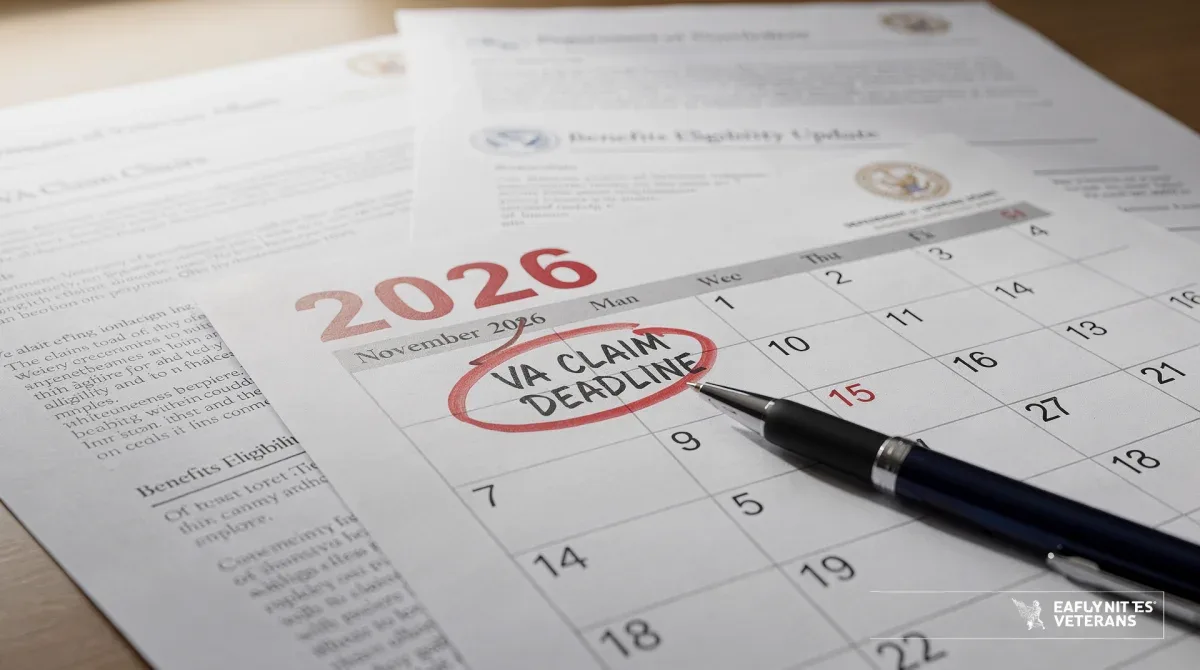
Proactive preparation is essential for all veterans, especially those with a 50% disability rating, in light of the VA Disability Rating. Waiting until the last minute could result in missed opportunities or unforeseen challenges in maintaining or adjusting benefits.
This preparation involves several key steps, from reviewing current medical conditions and documentation to understanding the specific changes proposed for each diagnostic code. Being well-informed is the strongest defense against any adverse impacts.
Veterans should consider this period as an opportunity to strengthen their claims by ensuring all medical evidence is up-to-date and accurately reflects their current health status and functional limitations. This due diligence will be invaluable when the new criteria take full effect.
Actionable Steps for Veterans
For veterans seeking to navigate the VA Disability Rating, several actionable steps can be taken now. Firstly, obtain a copy of your current VA rating decision and all supporting medical evidence. This will serve as a baseline for comparison against the new criteria.
Secondly, schedule regular check-ups with your healthcare providers to ensure your medical records are current and accurately reflect the severity of your service-connected conditions. Any changes in your health should be documented thoroughly, as this will be critical in any future evaluations.
Finally, engage with veteran advocacy groups and VSOs who are actively tracking these changes. They often provide workshops, seminars, and personalized advice that can be invaluable. Their expertise can help demystify the complex language of VA regulations.
Understanding the Rationale Behind the Updates
The rationale behind the VA Disability Rating is rooted in a desire for modernization and equity. The VA's rating schedule has not seen a comprehensive review in decades for some conditions, leading to disparities between medical advancements and existing evaluation criteria.
These updates aim to incorporate contemporary medical knowledge, diagnostic tools, and treatment protocols into the rating process. The objective is to ensure that disability ratings accurately reflect the impact of conditions on a veteran’s earning capacity and overall quality of life.
By aligning the schedule with modern medical understanding, the VA seeks to improve the fairness and consistency of disability compensation decisions across all veterans. This is a crucial step towards ensuring that benefits truly meet the needs of those who served.
Modernizing Medical Evaluation Standards
The modernization of medical evaluation standards is a core component of the VA Disability Rating. This involves updating diagnostic codes to reflect current medical terminology and understanding, moving away from outdated classifications.
The VA is also focusing on incorporating objective medical evidence more effectively into the rating process. This could mean a greater emphasis on diagnostic imaging, laboratory results, and functional capacity assessments, reducing reliance on subjective symptom reporting alone.
These changes are expected to streamline the claims process by providing clearer guidelines for evaluators and veterans alike. It is a significant undertaking designed to bring the VA's disability system into the 21st century.
The Role of Advocacy and Resources for Veterans
Advocacy plays a critical role in ensuring that veterans are not only informed about the VA Disability Rating but also have the support needed to navigate them. Various organizations are dedicated to assisting veterans through these complex changes.
These resources provide invaluable guidance, from explaining the intricacies of the new schedule to assisting with documentation and appeals. Veterans should actively seek out these organizations to leverage their expertise and support.
The collective voice of veteran advocacy groups also helps to ensure that the VA's implementation of these updates remains transparent and fair. Their continuous engagement helps to highlight potential issues and advocate for the best interests of veterans.
Leveraging Veterans Service Organizations (VSOs)
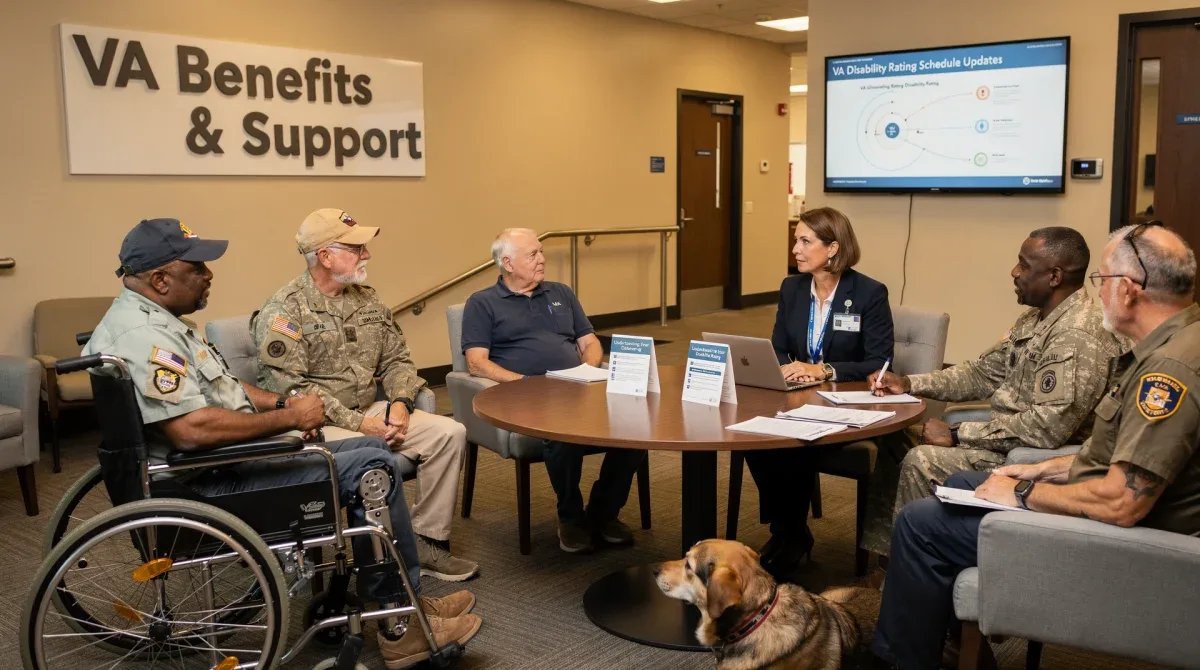
Veterans Service Organizations (VSOs) are indispensable resources for understanding the VA Disability Rating. These accredited organizations offer free assistance to veterans and their families, providing expert advice on VA benefits and claims processes.
VSOs often have direct channels to the VA and are among the first to receive detailed information about policy changes. They can help veterans interpret the new diagnostic codes, understand how their specific conditions might be affected, and assist in preparing any necessary paperwork or appeals.
Engaging with a VSO early can significantly improve a veteran's chances of successfully navigating the upcoming changes. Their guidance can prevent common errors and ensure that all claims are presented in the most effective manner.
Future Outlook and Continued Monitoring
The VA Disability Rating represent an ongoing process, not a one-time event. The VA typically rolls out changes incrementally, and there may be further refinements or clarifications as the implementation date approaches and beyond.
Therefore, continued monitoring of official VA announcements and news from reputable veteran advocacy sources will be crucial. Veterans should view this as an evolving landscape that requires sustained attention to ensure their benefits remain secure and accurate.
The goal is to foster a system that is both responsive to medical progress and fair to those who have served. This requires vigilance from both the VA and the veteran community.
Staying Informed About Evolving Criteria
Staying informed about the evolving VA Disability Rating is a continuous responsibility for veterans. Subscribing to official VA newsletters, following their social media channels, and regularly checking the VA website are effective ways to receive timely updates.
Additionally, participating in veteran forums and community discussions can provide valuable peer insights and practical advice. While these informal channels should always be cross-referenced with official sources, they can offer a sense of community and shared understanding.
The proactive engagement of veterans in understanding these changes will ultimately contribute to a smoother transition and a more equitable outcome for all. The VA is committed to providing resources, but individual initiative remains key.
Key Point | Brief Description |
|---|---|
2026 Updates | Comprehensive revisions to VA disability rating schedule taking effect in 2026. |
50% Rating Impact | Veterans with 50% ratings need to understand potential adjustments to their benefits. |
Preparation Steps | Gather medical records, consult VSOs, and monitor official VA announcements. |
Rationale | Modernizing rating criteria with current medical understanding for fairness. |
Frequently Asked Questions About 2026 VA Disability Updates
What are the main changes in the 2026 VA Disability Rating Schedule Updates?▼
The 2026 updates involve modernizing diagnostic codes for various conditions, including mental health and musculoskeletal disorders. The aim is to align evaluations with current medical standards, potentially altering how severity and functional impairment are assessed for disability ratings.
How will these updates affect veterans with a current 50% VA disability rating?▼
Veterans with a 50% rating may experience adjustments to their benefits, either an increase or decrease, based on how their specific conditions are re-evaluated under the new criteria. Proactive review of medical records and understanding new diagnostic standards is crucial.
What steps should veterans take to prepare for the 2026 claim criteria?▼
Veterans should gather up-to-date medical documentation, consult with Veterans Service Organizations (VSOs) for guidance, and closely monitor official VA communications. Ensuring current health status is accurately reflected in records is a key preparatory step.
Why is the VA implementing these disability rating schedule updates?▼
The VA is updating the schedule to incorporate modern medical knowledge and improve the fairness and consistency of disability compensation decisions. This ensures that ratings accurately reflect the impact of service-connected conditions on a veteran’s life and earning capacity.
Where can veterans find reliable information and support regarding these changes?▼
Reliable information can be found on the official VA website, through accredited Veterans Service Organizations (VSOs), and by subscribing to VA newsletters. These resources offer expert advice and support to help veterans navigate the complexities of the new criteria.
Next Steps
The VA Disability Rating underscore a critical period for veterans. It is imperative to proactively engage with these changes, understand their nuances, and utilize available resources.
Future decisions from the VA will continue to shape the landscape of veteran benefits, making ongoing vigilance essential. Staying informed and prepared will empower veterans to secure the benefits they rightfully deserve.