SEC Cyber Incident Rule: What Public Companies Need to Know
Advertisements

Latest developments on the SEC Finalizes Rule Requiring Public Companies to Report Material Cyber Incidents Within 4 Days, featuring key facts, verified regulatory details, and market implications.
Under the SEC’s new mandate, publicly traded companies must disclose material cybersecurity breaches within four business days of determination.
This major regulatory shift enforces tighter governance, accelerates incident disclosure, and requires organizations to deeply integrate cyber risk into their corporate reporting strategy.
Understanding the New SEC Cyber Incident Rule
The core of the SEC's new mandate revolves around the concept of 'materiality,' requiring companies to make a judgment call on whether a cyber incident would be important to a reasonable investor.
Once this determination is made, the clock starts ticking for the four-business-day disclosure period, a critical window for companies to act.
This rule applies to all public companies that file reports with the SEC under the Securities Exchange Act of 1934, encompassing a vast array of industries and market capitalizations.
The breadth of its application means that a significant portion of the U.S. economy will now operate under these enhanced reporting standards.
The SEC emphasizes that the disclosure should provide enough detail for investors to understand the nature, scope, and timing of the incident, as well as its material impact or reasonably likely material impact.
This level of specificity is intended to prevent vague or delayed reporting that could obscure the true risks.
Defining 'Materiality' in Cyber Incidents
Determining materiality for a cybersecurity incident is a complex process, often requiring a multi-disciplinary approach involving legal, cybersecurity, and financial experts.
The SEC's guidance aligns with existing materiality definitions, focusing on what an investor would consider important in making investment decisions.
Companies must assess factors such as the nature of the information compromised, the operational disruption caused, potential financial losses, and reputational damage.
This internal assessment needs to be swift and thorough to meet the strict reporting deadline imposed by the SEC Finalizes Rule Requiring Public Companies to Report Material Cyber Incidents Within 4 Days.
Consider the financial impact, including remediation costs and lost revenue.
Evaluate the operational disruption and its effect on business continuity.
Assess potential legal and regulatory liabilities arising from the incident.
Analyze the reputational damage and impact on customer trust.
The Four-Day Reporting Window Explained
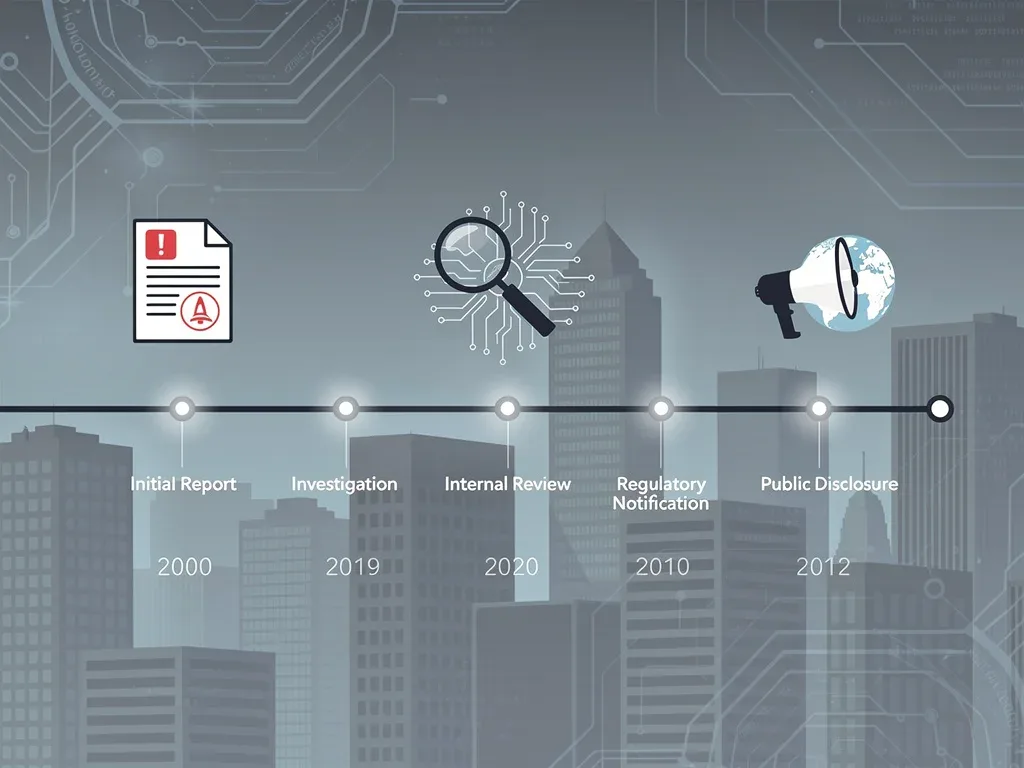
The four-business-day countdown begins once a company determines that a cybersecurity incident is material.
This timeline is significantly shorter than previous informal guidelines and necessitates pre-planned incident response procedures and clear communication channels within organizations.
The rapid reporting requirement means that companies cannot afford lengthy internal debates or delays in assessing an incident's significance.
Robust incident response plans, including predefined criteria for materiality assessment, are now more crucial than ever to ensure compliance with the SEC Finalizes Rule Requiring Public Companies to Report Material Cyber Incidents Within 4 Days.
Develop clear internal protocols for materiality assessment.
Establish dedicated incident response teams with defined roles and responsibilities.
Conduct regular tabletop exercises to test response capabilities.
Ensure legal counsel is integrated into the incident response process from the outset.
Impact on Corporate Cybersecurity Practices
The new SEC rule is poised to fundamentally reshape how public companies approach cybersecurity. It elevates cybersecurity from a purely IT concern to a board-level imperative, demanding greater oversight and integration into overall corporate strategy and risk management.
Companies will need to invest more heavily in their cybersecurity infrastructure, personnel, and processes to not only prevent incidents but also to detect, assess, and respond to them with unprecedented speed.
This includes enhancing threat detection capabilities, bolstering incident response teams, and improving data governance.
Furthermore, the rule necessitates a closer collaboration between cybersecurity teams, legal departments, and executive leadership. The pressure to make quick, accurate materiality determinations and public disclosures will require seamless information flow and coordinated decision-making.
Enhancing Cybersecurity Governance and Oversight
Boards of directors will now face increased scrutiny regarding their oversight of cybersecurity risks. The rule mandates disclosures about the board's role in cybersecurity risk management, including the expertise of board members in this area, or their access to such expertise.
This heightened focus on governance aims to ensure that cybersecurity is not just a technical issue but a strategic business risk managed at the highest levels of the company. Companies may consider appointing board members with specific cybersecurity expertise or providing training to existing directors.
The SEC Finalizes Rule Requiring Public Companies to Report Material Cyber Incidents Within 4 Days effectively makes cybersecurity a fiduciary duty, compelling boards to actively engage in understanding and mitigating cyber threats to protect shareholder value.
Strengthening Incident Response and Disclosure Protocols
The shortened reporting timeframe requires companies to re-evaluate and strengthen their incident response plans. These plans must now be geared towards rapid assessment and disclosure, rather than solely focusing on containment and recovery.
Companies will need to develop clear guidelines for what constitutes a reportable incident, who is responsible for making materiality determinations, and how information will be gathered and disseminated for public disclosure. This proactive approach is essential for compliance.
The rule’s emphasis on timely and accurate disclosure means that companies must also refine their communication strategies to effectively inform investors without inadvertently revealing sensitive information that could compromise ongoing investigations or national security.
Challenges and Opportunities for Compliance
While the SEC's new rule presents significant challenges, it also creates opportunities for companies to strengthen their cybersecurity posture and build greater trust with investors. The rigorous demands for rapid disclosure will undoubtedly test the preparedness of many organizations.
One primary challenge lies in the subjective nature of materiality. Companies must develop consistent and defensible methodologies for making these determinations under pressure. Missteps could lead to regulatory penalties, reputational damage, and investor lawsuits.
However, companies that proactively embrace the rule can differentiate themselves by demonstrating a strong commitment to transparency and robust cybersecurity. This can enhance investor confidence and potentially lead to a more resilient business operation overall.
Navigating the Materiality Judgment
The judgment of materiality is perhaps the most critical and potentially contentious aspect of the new rule. It requires a nuanced understanding of both the technical details of a cyber incident and its potential business consequences.
Companies should establish a cross-functional committee, including legal, finance, IT, and communications representatives, to collectively assess materiality. This collaborative approach can help ensure a comprehensive and well-reasoned determination that stands up to scrutiny.
Training for these teams on the SEC’s guidance and conducting simulated incident exercises will be vital for making accurate and timely materiality judgments under the pressure of the SEC Finalizes Rule Requiring Public Companies to Report Material Cyber Incidents Within 4 Days.
Leveraging Technology for Enhanced Reporting
Advanced cybersecurity technologies, such as Security Information and Event Management (SIEM) systems, Security Orchestration, Automation, and Response (SOAR) platforms, and AI-driven threat intelligence, will play an increasingly important role in facilitating compliance.
These tools can help companies detect incidents more quickly, automate parts of the response process, and provide the data necessary for rapid materiality assessments. Investing in these technologies can significantly reduce the burden of compliance.
Furthermore, robust data management and reporting tools can streamline the process of preparing and filing the required disclosures with the SEC, ensuring accuracy and adherence to the four-day deadline.
Broader Implications for the Financial Markets
The SEC's new rule is expected to have far-reaching implications beyond individual companies, influencing the broader financial markets and investment landscape. Increased transparency regarding cyber risks could lead to more informed investment decisions and potentially impact company valuations.
Investors will now have a clearer picture of a company's exposure to cybersecurity threats and its ability to manage them. This could drive capital towards companies with demonstrably strong cybersecurity postures and away from those perceived as vulnerable or opaque.
Moreover, the rule could foster a more competitive environment for cybersecurity services, as companies seek external expertise to meet the stringent compliance requirements. This may spur innovation in the cybersecurity industry and lead to more sophisticated protective measures.
Investor Confidence and Market Transparency
By mandating timely disclosure, the SEC aims to enhance investor confidence in the integrity of the financial markets. Knowing that material cyber incidents will be reported promptly allows investors to make more rational decisions based on current information.
This increased transparency can help mitigate information asymmetry, where companies previously held exclusive knowledge about significant cyber events. The SEC Finalizes Rule Requiring Public Companies to Report Material Cyber Incidents Within 4 Days levels the playing field, promoting fairness.
Ultimately, a more transparent market for cyber risks could lead to more accurate pricing of securities and a better allocation of capital, benefiting the overall economy.
The Role of Third-Party Vendors and Supply Chains
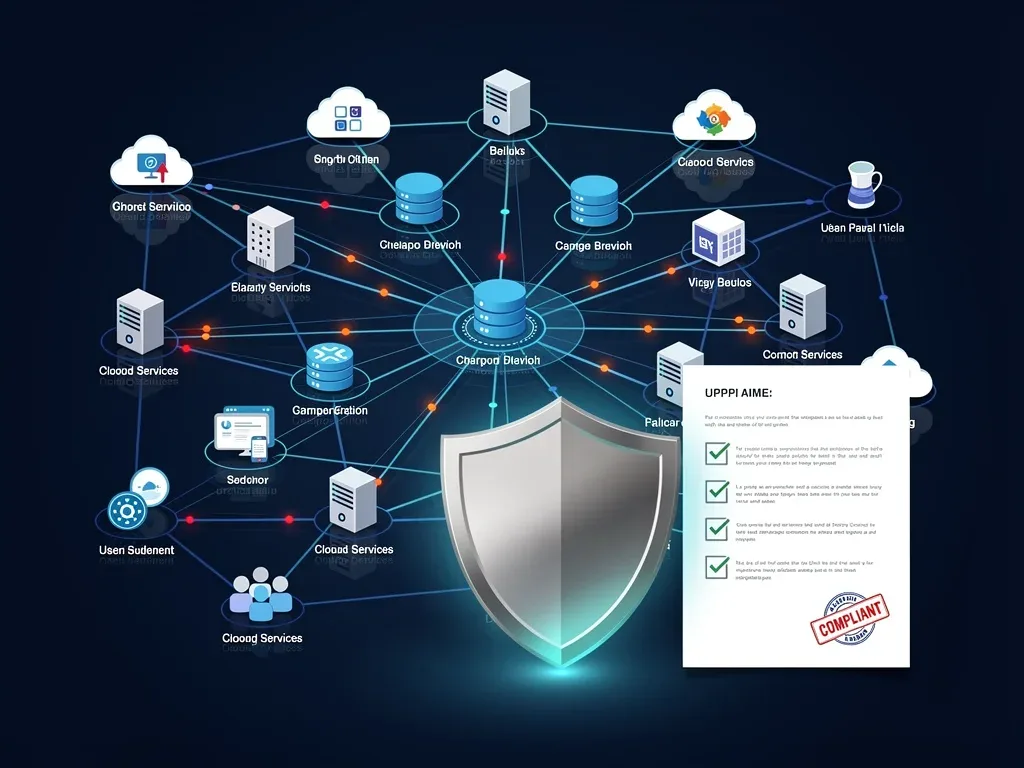
The rule also implicitly extends its reach to third-party vendors and supply chain partners. A cybersecurity incident affecting a critical vendor could be deemed material to a public company, even if the breach did not directly occur within the company’s own systems.
This necessitates public companies to conduct more thorough due diligence on their vendors' cybersecurity practices and to include robust cybersecurity clauses in their contracts. Supply chain risk management will become an even more critical component of overall cybersecurity strategy.
Companies must ensure that their vendor agreements include provisions for timely notification of security incidents, enabling them to meet their own SEC reporting obligations. This broadens the scope of cybersecurity responsibility significantly.
Future Outlook and Evolving Regulatory Landscape
The SEC's new rule is likely just one step in an evolving regulatory landscape concerning cybersecurity. As cyber threats continue to grow in sophistication and frequency, further regulatory actions are anticipated, both domestically and internationally.
Companies should view this rule not as a standalone compliance burden, but as part of a larger trend towards greater accountability and transparency in cybersecurity. Proactive adaptation will be key to long-term success and resilience in this environment.
Staying abreast of developing guidance from the SEC and other regulatory bodies will be crucial for companies to remain compliant and effectively manage their cyber risks in the coming years.
Anticipated Challenges and Adaptations
The initial implementation of the rule is expected to present learning curves for many companies as they refine their processes and interpret the SEC's guidance in practice. There may be instances of over-reporting or under-reporting as companies navigate the materiality threshold.
Legal challenges or requests for further clarification from the SEC are also possible as companies gain experience with the new requirements. The regulatory body itself may issue additional interpretive guidance based on early experiences.
Companies that are agile and adaptable in their cybersecurity and disclosure practices will be best positioned to meet these evolving demands and turn compliance into a strategic advantage.
Global Harmonization of Cyber Reporting Standards
The SEC's move could also spur a trend towards greater harmonization of cybersecurity reporting standards globally. As major economies grapple with similar cyber threats, there is increasing pressure to align regulatory frameworks to facilitate international commerce and cooperation.
Multinational corporations, in particular, will benefit from a more consistent set of rules regarding cyber incident disclosure across different jurisdictions. This could reduce the complexity and cost of compliance for companies operating worldwide.
The SEC Finalizes Rule Requiring Public Companies to Report Material Cyber Incidents Within 4 Days thus sets a precedent that other regulatory bodies around the world may consider emulating or adapting in their own efforts to bolster cybersecurity transparency.
Key Point | Brief Description |
|---|---|
Four-Day Deadline | Public companies must disclose material cyber incidents within four business days. |
Materiality Assessment | Companies must swiftly determine if an incident significantly impacts investor decisions. |
Enhanced Governance | Board oversight of cybersecurity risks and expertise disclosures are now mandatory. |
Investor Protection | Rule aims to provide timely, actionable information to protect investors from cyber risks. |
Frequently Asked Questions About the SEC Cyber Incident Rule
What does the new SEC rule require regarding cyber incidents?▼
The new SEC rule mandates that public companies disclose material cybersecurity incidents on Form 8-K within four business days of determining materiality. This significantly tightens the reporting timeline for cyber breaches that could affect investors.
How is 'materiality' defined under this rule?▼
Materiality is generally defined as information that a reasonable investor would consider important in making an investment decision. For cyber incidents, this includes potential financial, operational, or reputational impacts that could significantly alter a company's prospects.
Which companies are affected by the SEC Finalizes Rule Requiring Public Companies to Report Material Cyber Incidents Within 4 Days?▼
All public companies that are subject to the reporting requirements of the Securities Exchange Act of 1934 are affected. This includes a broad range of U.S. and foreign private issuers listed on U.S. exchanges.
What are the consequences of non-compliance with the new rule?▼
Non-compliance can lead to significant penalties, including SEC enforcement actions, fines, and potential legal liabilities from affected investors. It can also result in severe reputational damage and loss of market confidence.
How does this rule impact a company's cybersecurity strategy?▼
The rule elevates cybersecurity to a board-level priority, requiring enhanced governance, robust incident response plans, and faster materiality assessments. Companies must invest more in detection, prevention, and rapid disclosure capabilities to comply effectively.
Looking Ahead
The SEC Finalizes Rule Requiring Public Companies to Report Material Cyber Incidents Within 4 Days marks a pivotal moment for corporate cybersecurity and disclosure.
Companies must now prioritize robust incident response and governance, ensuring swift and accurate reporting to meet these new obligations.
To navigate these regulatory mandates effectively, organization leads can consult resources like the cloud security compliance guide.
The broader implications include increased investor confidence and a potential shift towards greater transparency across global financial markets. Staying informed and adaptable will be crucial for navigating this evolving regulatory landscape effectively.