Online vs. In-Person Learning 2026: Data-Backed Success
Advertisements

The debate over instructional delivery continues to evolve alongside advances in educational technology.
Online vs In-Person Learning in 2026 compares performance benchmarks, engagement levels, and flexibility metrics across both models to help students and educators make informed choices.
The Evolving Landscape of Educational Modalities
The shift towards diverse educational delivery methods has accelerated dramatically in recent years, prompting a thorough re-evaluation of traditional learning paradigms.
Educational institutions are now actively refining their strategies, incorporating lessons learned from recent global events to enhance both online and in-person environments.
This evolution is not merely a response to external pressures but reflects a deeper understanding of varied student needs and technological advancements.
The goal is to create more adaptable and effective learning experiences that cater to a broader spectrum of learners, ensuring equitable access and quality.
As we look to 2026, the distinction between online and in-person learning is becoming increasingly nuanced, with hybrid models gaining prominence.
This complex interplay necessitates a detailed analysis to discern the optimal approaches for fostering student achievement and well-being.
Academic Performance: Online vs In-Person Learning Outcomes
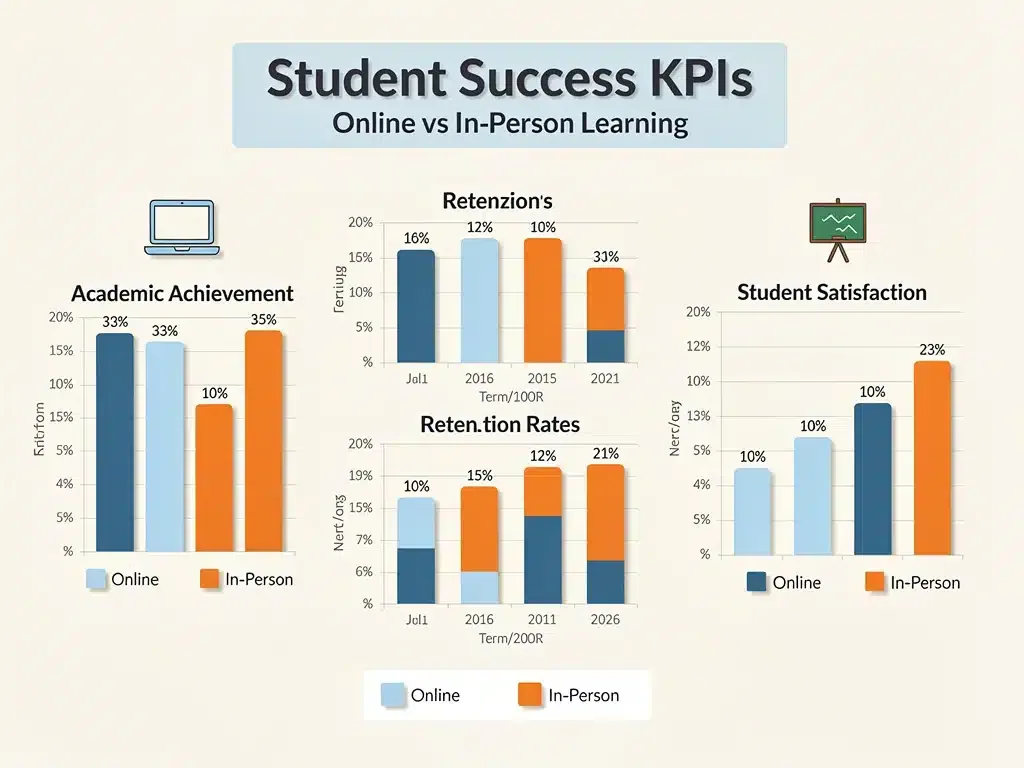
Comparing academic performance between online and in-person modalities reveals a complex picture, often influenced by student demographics, subject matter, and the quality of instructional design.
Data from recent longitudinal studies indicate varying success rates depending on these critical factors.
For instance, highly motivated students with strong self-regulation skills often thrive in online environments, demonstrating comparable or even superior academic outcomes.
Conversely, students requiring more direct supervision or collaborative engagement may experience better results in traditional classroom settings.
The key to understanding these outcomes lies in disaggregating data by specific learning objectives and student profiles, rather than making broad generalizations.
This granular approach helps identify where each modality truly excels in fostering academic growth and achievement.
Data on Student Achievement in Online Settings
Recent reports from institutions pioneering online education show that specific pedagogical approaches are crucial for student success.
Personalized learning paths, frequent feedback, and interactive digital tools significantly boost engagement and academic performance.
For subjects requiring conceptual understanding and critical thinking, online platforms equipped with robust discussion forums and virtual labs have proven highly effective.
This allows students to engage with material at their own pace while still benefiting from peer interaction and expert guidance.
- Increased access to specialized courses and instructors.
- Flexibility in scheduling, accommodating diverse student needs.
- Development of digital literacy and self-discipline.
In-Person Learning: The Enduring Advantages
Despite the rise of digital alternatives, in-person learning maintains several distinct advantages, particularly concerning immediate feedback and social-emotional development.
The physical classroom environment facilitates spontaneous interactions and a sense of community.
Direct teacher-student engagement allows for real-time clarification of concepts and immediate intervention when students struggle.
This proximity fosters a supportive learning atmosphere where non-verbal cues and group dynamics play a significant role in instruction.
- Enhanced social interaction and collaborative skills.
- Direct instructor feedback and immediate support.
- Reduced distractions and a structured learning environment.
Student Engagement and Motivation in Both Modalities
Student engagement and motivation are pivotal factors in determining the effectiveness of any learning environment, and they manifest differently in online vs in-person learning settings.
Understanding these differences is essential for educators aiming to maximize student participation and drive.
In online environments, motivation often stems from autonomy, flexibility, and the integration of multimedia content that caters to diverse learning styles.
However, maintaining consistent engagement requires proactive strategies to combat isolation and digital fatigue.
Conversely, in-person learning leverages the power of peer interaction, structured routines, and the direct presence of an instructor to foster motivation.
The challenge here is to ensure that all students feel seen and heard within a larger group context.
Fostering Engagement in Digital Classrooms
Effective online engagement relies on interactive platforms, gamified learning experiences, and consistent communication channels.
Regular check-ins, virtual group projects, and personalized feedback loops are critical for keeping students connected and motivated.
Instructors are increasingly utilizing data analytics to track student progress and identify potential disengagement early, allowing for timely interventions.
This proactive approach helps bridge the gap that can sometimes emerge in remote learning settings.
The design of online courses must prioritize active learning strategies over passive content consumption.
This ensures students are not just receiving information, but actively processing, discussing, and applying it, which is central to successful online vs in-person learning comparisons.
Enhancing Motivation in Traditional Classrooms
In-person classrooms benefit from the immediate energy of group dynamics and the physical presence of educators who can adapt their teaching in real-time.
Strategies like collaborative projects, debates, and hands-on activities are highly effective in stimulating motivation.
Creating a positive and inclusive classroom culture where students feel safe to take risks and express ideas is paramount.
This environment fosters intrinsic motivation, encouraging students to actively participate and take ownership of their learning journey.
The human connection inherent in in-person settings provides unique opportunities for mentorship and personalized encouragement.
These elements are often harder to replicate in purely virtual spaces, making them distinct advantages for in-person learning.
Technological Infrastructure and Accessibility
The success of online learning is inextricably linked to the availability and reliability of technological infrastructure, a factor that significantly influences the broader comparison of online vs in-person learning.
Disparities in access to high-speed internet and suitable devices remain a considerable challenge.
While urban areas often boast robust digital capabilities, rural and underserved communities frequently face significant hurdles, creating an equity gap in educational access.
Addressing these infrastructural deficits is crucial for ensuring that online learning can be a viable and effective option for all students.
Conversely, in-person learning, while less reliant on individual technological access, still benefits immensely from integrated digital tools within the classroom.
Smartboards, educational software, and blended learning resources enhance the traditional experience, but the baseline requirement for participation is lower.
Social-Emotional Development and Well-being
The impact of educational modality on students’ social-emotional development and overall well-being is a critical consideration in the ongoing debate around online vs in-person learning.
Each approach presents unique opportunities and challenges for fostering these essential life skills.
In-person environments traditionally offer more direct and frequent opportunities for peer interaction, conflict resolution, and the development of empathy through face-to-face communication.
These experiences are vital for building social competence and emotional intelligence.
Online learning, while sometimes perceived as isolating, can also foster different aspects of social-emotional growth, such as self-reliance, digital citizenship, and asynchronous collaboration.
However, deliberate strategies are needed to mitigate potential feelings of loneliness or disconnection.
Building Community in Online Spaces
Creating a strong sense of community in online learning environments requires intentional design and consistent effort from instructors.
Virtual group projects, online discussion forums, and collaborative tools can simulate aspects of in-person interaction.
Regular virtual social events, student-led online clubs, and mentorship programs can help mitigate feelings of isolation.
These initiatives are vital for fostering a supportive network and ensuring students feel connected to their peers and institution.
Emphasis on digital etiquette and respectful online communication also contributes to a positive virtual community.
These elements are increasingly recognized as crucial for holistic student development when comparing online vs in-person learning.
Teacher Training and Pedagogical Adaptation
The effectiveness of both online and in-person learning hinges significantly on the preparedness and adaptability of educators.
Teacher training programs are rapidly evolving to equip instructors with the necessary skills for navigating diverse educational modalities.
For online instruction, this involves mastering digital tools, designing engaging virtual lessons, and implementing effective strategies for remote student support.
The pedagogical shift requires more than just technical proficiency; it demands a rethinking of how learning is facilitated.
In-person educators are also adapting, often integrating digital resources and blended learning techniques to enrich traditional classroom experiences.
Continuous professional development is key to ensuring high-quality instruction across all platforms, which directly impacts the online vs in-person learning debate.
Parental Involvement and Support Systems
The level and nature of parental involvement differ substantially between online and in-person learning models, profoundly influencing student success.
Understanding these distinctions is crucial for creating effective support systems that cater to each modality’s unique demands.
In online learning, parents often take on a more active role in monitoring daily progress, ensuring technological access, and providing a conducive home learning environment.
This increased involvement can be a significant asset but also a source of stress for some families.
For in-person learning, parental support typically revolves around managing schedules, assisting with homework, and engaging with school activities and communications.
While less direct involvement in the daily instruction, their role in fostering a positive attitude towards education remains paramount for both online vs in-person learning scenarios.
Future Trends and Hybrid Models in 2026
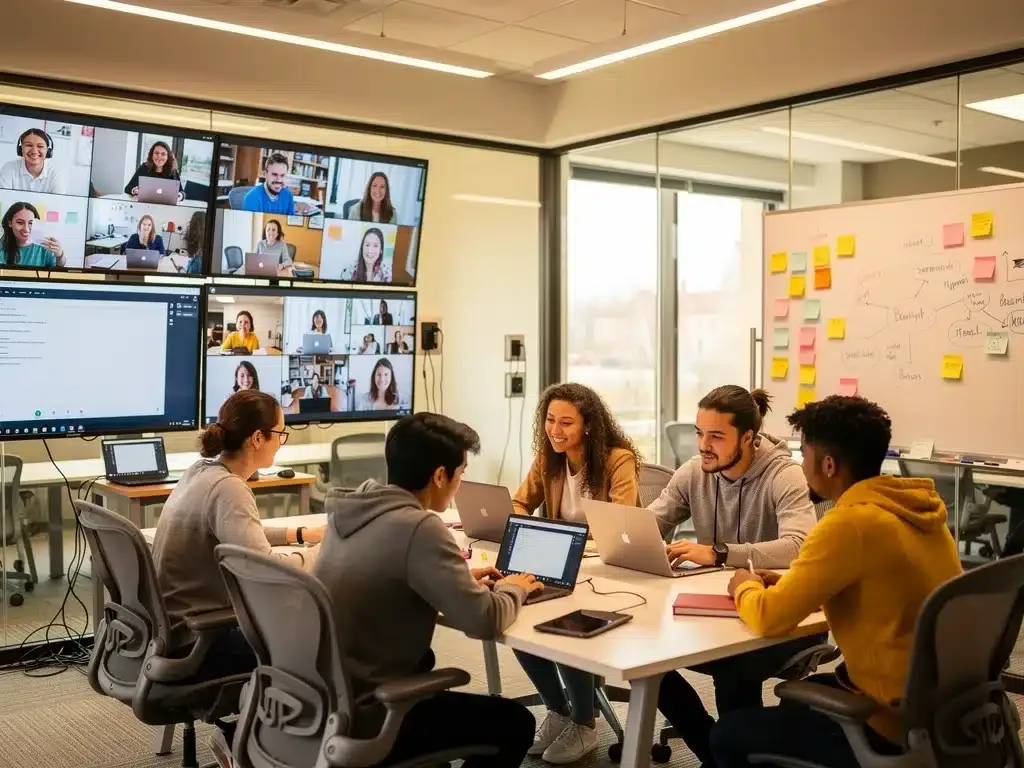
Looking ahead to 2026, the educational landscape is poised for further innovation, with hybrid models emerging as a dominant trend that bridges the gap between online and in-person learning.
These models aim to leverage the strengths of both approaches, offering flexibility and personalized experiences.
Hybrid learning environments combine elements of both modalities, allowing students to alternate between virtual and physical attendance, or to engage with digital content that complements classroom instruction.
This flexibility can cater to diverse learning styles and schedules, enhancing overall student satisfaction.
The ongoing development of artificial intelligence and virtual reality technologies is also set to transform both online and in-person learning, creating immersive and adaptive educational experiences.
These advancements promise to redefine what is possible in education, constantly refining the conversation around online vs in-person learning.
| Key Aspect | Impact on Student Success |
|---|---|
| Academic Outcomes | Varies by student, subject, and instructional quality; strong self-regulators thrive online. |
| Engagement & Motivation | Online requires proactive strategies; in-person benefits from peer interaction and direct feedback. |
| Social-Emotional Growth | In-person offers direct interaction; online fosters self-reliance with intentional community building. |
| Accessibility & Tech | Online success highly dependent on reliable infrastructure; in-person benefits from integrated tech. |
Frequently Asked Questions About Learning Modalities
What are the primary advantages of online learning for student success?▼Online learning offers unparalleled flexibility, allowing students to learn at their own pace and schedule, which can be highly beneficial for self-directed learners. It also provides access to a wider range of specialized courses and global instructors, fostering digital literacy and independent study habits essential for future careers.
How does in-person learning contribute to social-emotional development?▼In-person learning provides immediate opportunities for face-to-face interaction, fostering critical social skills like teamwork, empathy, and conflict resolution. The structured environment also promotes a sense of belonging and community, which are vital for overall well-being and the development of strong interpersonal relationships.
Are hybrid learning models the future of education in 2026?▼Many experts believe hybrid learning models will become increasingly prevalent by 2026. These models combine the best aspects of both online and in-person learning, offering flexibility, personalized learning paths, and diverse engagement opportunities. They address the limitations of single modalities, providing a more balanced educational experience for students.
What role does technology play in enhancing both online and in-person learning?▼Technology is crucial for both modalities. In online settings, it enables delivery, interaction, and assessment. In in-person classrooms, tools like smartboards and educational software enhance engagement and accessibility. Advanced tech, including AI and VR, is transforming how content is delivered and how students interact with learning materials, regardless of the setting.
How can parents best support student success in different learning environments?▼Parental support is vital. For online learning, it involves ensuring a conducive study environment and monitoring progress. For in-person, it means active communication with schools and fostering a positive attitude towards education. Adapting support to the specific needs of each modality and the child’s learning style is key to maximizing their potential.
Impact and Implications
The detailed comparison of online vs in-person learning in 2026 reveals that neither modality is universally superior; their effectiveness largely depends on student needs, subject matter, and institutional support.
The data-backed insights emphasize the critical role of adaptive pedagogical strategies and robust technological infrastructure.
To explore how educators can apply online teaching strategies to improve traditional classroom dynamics, read American College of Education’s analysis on examining in-person instruction from a virtual mindset.
Looking ahead, the rise of sophisticated hybrid models will likely redefine educational norms, offering more personalized and flexible learning journeys.
Policymakers and educators must continue to invest in research and development to optimize these environments for sustained student success.