Unlock Your 2026 Benefits: A 3-Step Solution for New Hires
Advertisements

Navigating employee perks can feel overwhelming during your first weeks on the job.
Unlocking Your Full Benefits Package provides an actionable framework to help you evaluate health coverage, retirement contributions, and key incentives—ensuring you maximize your overall compensation from day one.
Understanding Your Benefits Landscape: The First Step
The initial phase for any new hire involves a thorough understanding of the benefits landscape presented by their employer.
This goes beyond a quick glance at a summary document; it requires careful review and comprehension of all available options, including health, retirement, and ancillary benefits.
Many companies offer a diverse array of benefits designed to support employees’ physical, mental, and financial health.
For new hires in 2026, this often includes enhanced wellness programs, flexible work arrangements, and increasingly personalized benefits platforms.
A deep dive into your benefits package ensures you don’t miss out on crucial offerings that could significantly impact your overall compensation and quality of life.
This foundational step is crucial for effectively unlocking your full benefits package.
Decoding Your Health and Wellness Benefits
Health insurance is typically the cornerstone of any benefits package, but its intricacies can be daunting.
New hires must understand the differences between PPO, HMO, and HDHP plans, including deductibles, co-pays, out-of-pocket maximums, and network restrictions.
Beyond standard medical coverage, many employers offer dental, vision, and prescription drug plans.
Furthermore, a growing trend for new hire benefits 2026 includes robust wellness programs, mental health support, and even telemedicine services, all designed to promote employee well-being.
It is vital to compare these options against your personal and family health needs to select the most cost-effective and comprehensive coverage. Don’t underestimate the value of preventive care and available health resources.
- Evaluate different health plan types (HMO, PPO, HDHP) based on your healthcare usage.
- Understand co-pays, deductibles, and out-of-pocket maximums for each plan.
- Explore additional wellness programs, mental health support, and telemedicine options.
Navigating Retirement and Financial Planning Benefits
Retirement plans, such as 401(k)s, are critical for long-term financial security, especially for new hires in 2026 looking to build a stable future.
Understanding your employer’s matching contributions, vesting schedules, and investment options is paramount.
Beyond retirement, many companies offer other financial benefits like employee stock purchase plans (ESPPs), flexible spending accounts (FSAs), health savings accounts (HSAs), and even financial advisory services.
These can significantly boost your overall financial health.
Take the time to understand how these plans work, their tax implications, and how they align with your personal financial goals. Early engagement with these benefits can lead to substantial long-term gains.
- Identify employer matching contributions and vesting schedules for retirement plans.
- Explore additional financial benefits like ESPPs, FSAs, and HSAs.
- Consider professional financial advice offered through your employer’s benefits program.
Strategic Enrollment: Making Informed Choices
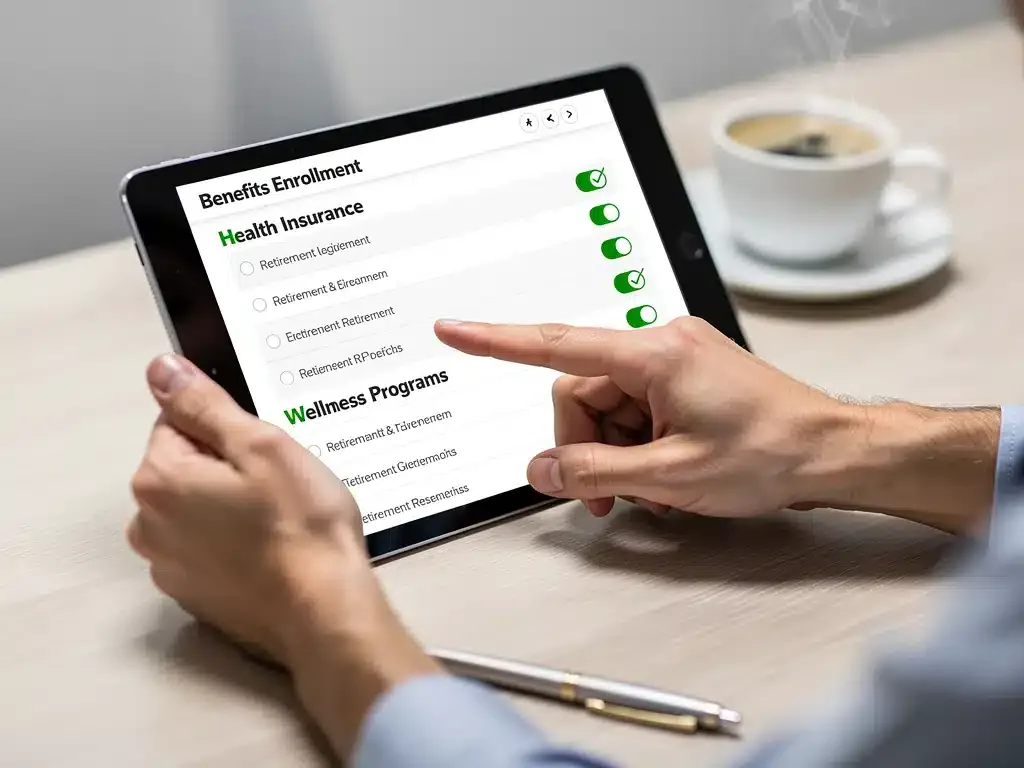
Once you have a clear understanding of the available benefits, the next crucial step is strategic enrollment. This involves actively making choices that align with your individual circumstances, financial goals, and personal preferences.
Many new hires rush through the enrollment process, potentially leaving money on the table or choosing plans that don’t optimally serve their needs.
Strategic enrollment for new hire benefits 2026 requires careful consideration and a personalized approach.
This phase is where your research from Step 1 truly pays off, allowing you to select the most advantageous options. Successfully unlocking your full benefits package depends heavily on these informed decisions.
Personalizing Your Health Coverage Decisions
Choosing the right health insurance plan requires a personalized assessment of your expected medical needs for the upcoming year.
Consider your current health status, anticipated doctor visits, prescription medications, and any planned medical procedures.
If you have dependents, factor in their healthcare needs as well. A higher deductible plan might save on premiums but could cost more if you have frequent medical expenses, while a lower deductible plan offers more predictability.
Also, evaluate the network of providers to ensure your preferred doctors and specialists are covered. This personalized approach to new hire benefits 2026 health coverage can save you significant money and stress.
Maximizing Your Retirement Contributions
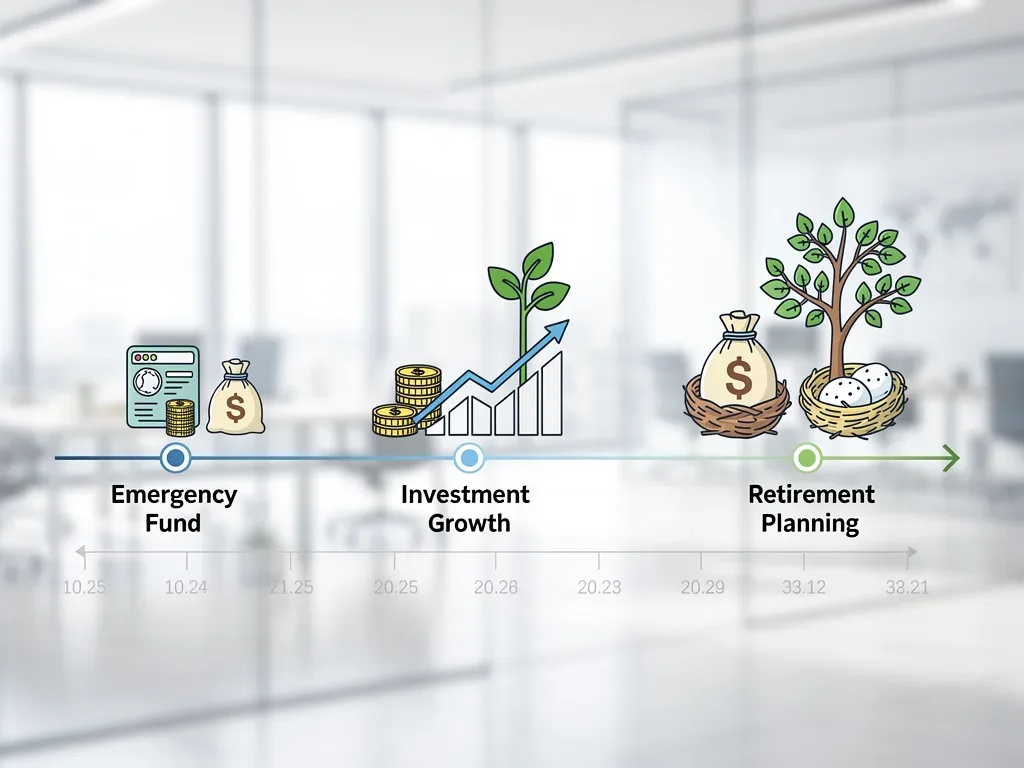
One of the most impactful financial decisions new hires can make is to contribute sufficiently to their employer-sponsored retirement plan, especially to capture any matching contributions.
This is essentially free money and a powerful tool for wealth accumulation.
Even if you cannot contribute the maximum, aim to contribute at least enough to receive the full employer match. Over time, compounded returns on these contributions can significantly boost your retirement savings.
Review the investment options available within your 401(k) or other retirement plans, considering your risk tolerance and financial goals. For new hire benefits 2026, understanding these choices is paramount.
- Contribute at least enough to receive the full employer match in your 401(k) or similar plan.
- Review the available investment options and align them with your risk tolerance and long-term goals.
- Consider increasing your contribution percentage annually, even by a small amount, to accelerate savings.
Ongoing Engagement and Utilization: Sustaining Your Advantage
The final step in effectively unlocking your full benefits package is continuous engagement and utilization of your chosen benefits.
Enrollment is just the beginning; actively using and managing your benefits ensures you reap their full value throughout your employment.
Many valuable benefits go underutilized simply because employees forget they exist or are unsure how to access them. Sustained engagement with new hire benefits 2026 can lead to better health outcomes, greater financial stability, and enhanced job satisfaction.
This ongoing process requires periodic review and adjustment, as both your personal circumstances and the available benefits may change over time. Don’t let your efforts in Step 1 and 2 go to waste.
Leveraging Wellness Programs and Employee Resources
Beyond traditional health insurance, many employers offer a suite of wellness programs, employee assistance programs (EAPs), and professional development resources.
These can range from gym memberships and stress management workshops to counseling services and tuition reimbursement.
Actively participating in wellness programs can lead to improved health, reduced stress, and even lower healthcare costs in the long run. EAPs provide confidential support for personal and work-related issues, often at no additional cost.
Explore all available employee resources, including professional development courses or mentorship programs, which can significantly enhance your career trajectory.
These aspects of new hire benefits 2026 are often overlooked but highly valuable.
- Participate in employer-sponsored wellness programs to improve health and reduce costs.
- Utilize Employee Assistance Programs (EAPs) for confidential support when needed.
- Take advantage of professional development and training opportunities to advance your career.
Regular Review and Adjustment of Your Benefits
Your life circumstances are not static, and neither are your benefits needs. It is crucial to regularly review your benefits elections, typically during annual open enrollment periods, to ensure they still align with your current situation.
Major life events, such as marriage, the birth of a child, or a change in health status, often trigger special enrollment periods, allowing you to modify your benefits outside of the annual window. Be aware of these opportunities.
Staying informed about any changes to your employer’s benefits offerings for new hire benefits 2026 is also vital.
Companies may introduce new programs or modify existing ones, and being proactive ensures you can adapt your choices accordingly.
The Importance of Documentation and Record Keeping
Maintaining meticulous records of your benefits enrollment and related communications is a crucial, yet often underestimated, part of managing your new hire benefits 2026.
This documentation serves as a vital reference point for any future questions or discrepancies.
Keep copies of all enrollment forms, confirmation statements, and summaries of benefits and coverage. These documents detail your chosen plans, contribution amounts, and coverage effective dates, providing proof of your elections.
In the event of a dispute or a need to confirm coverage, having these records readily accessible can save you significant time and potential frustration.
This practice supports your efforts in unlocking your full benefits package effectively.
Understanding Your Summary Plan Description (SPD)
The Summary Plan Description (SPD) is a legally required document that provides a comprehensive overview of your employer’s benefit plans.
It details how the plans work, what benefits are provided, how to file claims, and your rights as a participant.
While often lengthy, the SPD is an invaluable resource for understanding the fine print of your new hire benefits 2026. It clarifies eligibility requirements, exclusions, and the process for appeals, ensuring you are fully informed.
Take the time to review the SPD for each benefit plan you enroll in. This document can answer many questions and prevent misunderstandings regarding your coverage and entitlements. It’s a key tool for unlocking your full benefits package.
Leveraging HR and Benefits Specialists
Human Resources (HR) departments and dedicated benefits specialists are your primary resources for understanding and navigating your new hire benefits 2026. Do not hesitate to utilize their expertise and guidance.
These professionals are specifically trained to explain complex benefit structures, answer your questions, and assist with enrollment processes. They can provide personalized advice tailored to your unique situation.
Engaging with HR early and often ensures that you receive accurate information and make the most informed decisions regarding your benefits package. Their support is invaluable in successfully unlocking your full benefits package.
Asking the Right Questions During Orientation
Benefits orientation sessions are designed to introduce new hires to their available options. It’s crucial to come prepared with specific questions to ensure you get all the information you need.
Don’t be afraid to ask for clarifications on anything you don’t understand.
Inquire about specific plan details, eligibility criteria, and any unique benefits your company offers. Understanding the timelines for enrollment and when your benefits become effective is also essential.
Asking targeted questions during these sessions demonstrates your proactive approach and helps you gather all necessary details for informed decision-making. This directly contributes to unlocking your full benefits package.
| Key Aspect | Brief Description |
|---|---|
| Understand | Thoroughly review all health, retirement, and ancillary benefits. |
| Enroll Strategically | Make informed choices aligned with personal needs and financial goals. |
| Engage & Utilize | Actively use and periodically review elected benefits. |
| Document & Consult | Keep records and leverage HR expertise for clarity. |
Frequently Asked Questions About New Hire Benefits 2026
What is the most important benefit for new hires to prioritize?▼While all benefits are valuable, prioritizing health insurance and employer-matched retirement contributions (like a 401(k)) is often critical. Health coverage protects against unforeseen medical costs, and matching contributions are essentially free money that significantly boosts long-term savings for new hire benefits 2026.
How can I understand complex benefits terminology?▼Review your Summary Plan Description (SPD), attend all benefits orientation sessions, and don’t hesitate to ask your HR department or a benefits specialist for clarification. Many companies also offer online portals with glossaries and educational materials to help new hires understand their benefits.
What if I miss the initial enrollment period?▼Missing the initial enrollment period typically means you cannot enroll in certain benefits until the next annual open enrollment, unless you experience a qualifying life event (e.g., marriage, birth of a child, loss of other coverage). Always confirm deadlines for new hire benefits 2026 with HR.
Are there any tax advantages to certain benefits?▼Yes, many benefits offer significant tax advantages. For example, contributions to 401(k)s, HSAs, and FSAs are often pre-tax, reducing your taxable income. Understanding these benefits can lead to substantial savings for new hire benefits 2026. Consult a tax professional for personalized advice.
How often should I review my benefits elections?▼You should review your benefits annually during the open enrollment period to ensure they still meet your needs. Additionally, any major life event should prompt a review, as it may qualify you for a special enrollment period to adjust your new hire benefits 2026.
What this means
For new hires joining the workforce in 2026, a strategic approach to understanding and utilizing benefits is more critical than ever.
The landscape of employee benefits continues to evolve, offering diverse options that can significantly impact both immediate well-being and long-term financial security.
For organizations seeking to streamline this transition, exploring tailored HR onboarding services through Rippling can help automate benefits integration and simplify the new hire experience.
By following a structured 3-step solution, new hires can move beyond mere enrollment to truly maximize their compensation package.
This proactive engagement ensures that every available resource, from health coverage to retirement planning, is leveraged effectively, setting a strong foundation for their professional journey and personal stability.