NASA Lunar Mission: Q1 2027 Target After 2026 Tests
Advertisements
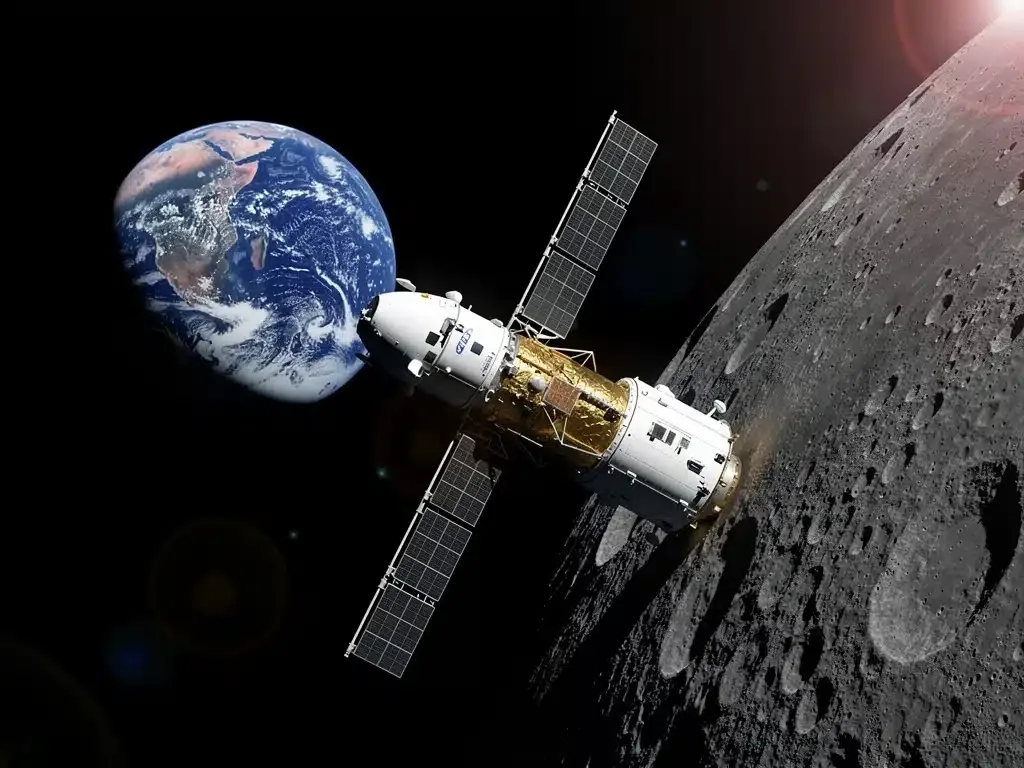
Latest developments on NASA Lunar Mission 2027, with key facts, verified sources and what readers need to monitor next in Estados Unidos, presented clearly in Inglês (Estados Unidos) (en-US).
NASA Lunar Mission 2027 is shaping today’s agenda with new details released by officials and industry sources. This update prioritizes what changed, why it matters and what to watch next, in a straightforward news format. The agency’s announcement underscores a significant milestone in humanity’s ongoing quest to return to the Moon, building on a rigorous schedule of precursor activities.
The ambitious timeline for the NASA Lunar Mission 2027 follows extensive planning and technological advancements within the Artemis program. This mission aims not just for a fleeting visit but to lay the groundwork for a sustained human presence on the lunar surface, marking a new era of space exploration.
The strategic decision to target Q1 2027 allows for the integration of lessons learned from vital test flights scheduled throughout 2026. These preparatory missions are crucial for validating systems and procedures, ensuring the safety and success of the crewed journey to the Moon.
Artemis Program: Paving the Way for Lunar Return
The Artemis program represents NASA’s bold initiative to return humans to the Moon, aiming for the first woman and first person of color to walk on its surface. This ambitious endeavor is not merely a repeat of Apollo but a stepping stone towards future deep-space missions, including Mars.
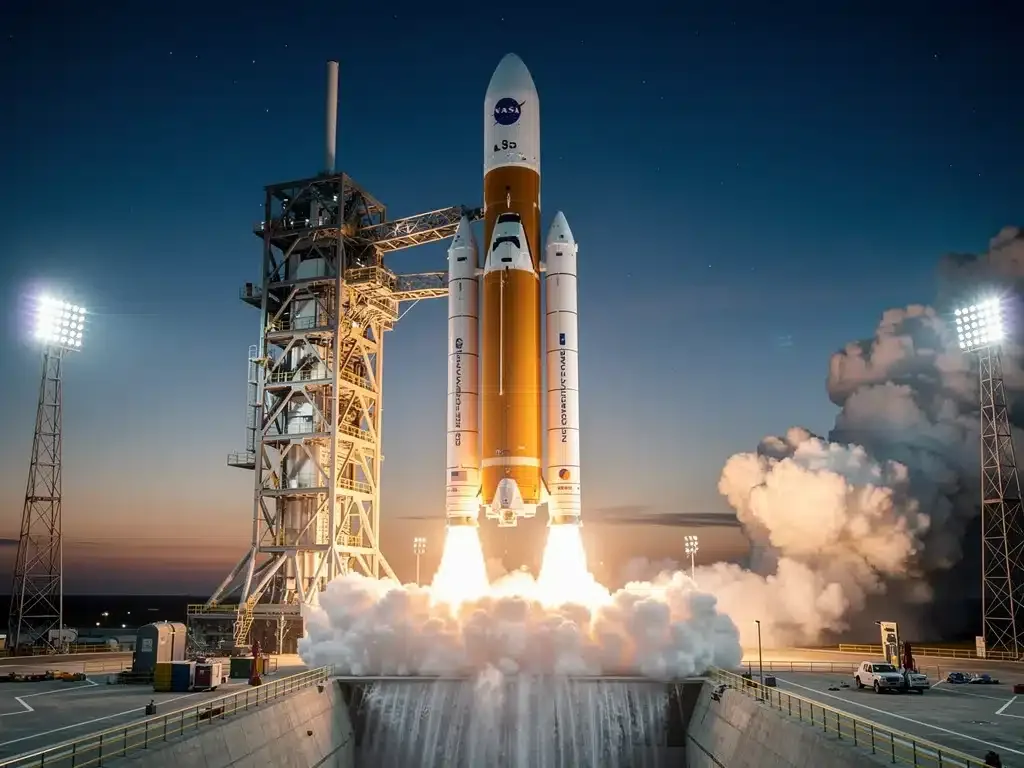
Central to the Artemis program is the development of cutting-edge technologies, including the Space Launch System (SLS) rocket and the Orion spacecraft. These systems are designed to safely transport astronauts beyond low-Earth orbit and support sustained operations on and around the Moon.
The success of the NASA Lunar Mission 2027 hinges on a series of incremental steps, each designed to mitigate risks and refine operational protocols. These include uncrewed and crewed test flights, demonstrating the capabilities of the hardware and the readiness of the mission control teams.
Key Milestones Leading to 2027
NASA has outlined a clear roadmap, with several critical missions preceding the NASA Lunar Mission 2027. Artemis I, an uncrewed test flight, successfully paved the way by demonstrating the SLS and Orion’s capabilities in lunar orbit.
Artemis II, a crewed flyby mission around the Moon, is slated for 2026. This mission will be pivotal in evaluating human performance and spacecraft systems in deep space, directly informing the preparations for the subsequent lunar landing.
The data collected from Artemis I and the forthcoming Artemis II will be meticulously analyzed to refine mission profiles, hardware, and crew training for the complex challenges of a sustained lunar presence. This iterative approach is fundamental to the safety and efficacy of the entire program.
Technological Advancements Fueling Lunar Ambitions
The journey to the Moon in 2027 is underpinned by remarkable technological leaps, far surpassing the capabilities of the Apollo era. Innovations in propulsion, life support, and communication systems are crucial for longer duration missions and establishing a lunar outpost.
One significant advancement is the development of the Human Landing System (HLS), which will transport astronauts from lunar orbit to the surface. Collaborations with commercial partners are accelerating the pace of development, bringing diverse expertise to the forefront of lunar exploration.
Furthermore, advancements in robotics and artificial intelligence are set to play a crucial role in supporting human explorers. These technologies will assist in resource extraction, habitat construction, and scientific research, enhancing the efficiency and scope of lunar operations.
The Role of Commercial Partnerships
NASA’s strategy for the NASA Lunar Mission 2027 heavily relies on robust partnerships with private industry. Companies like SpaceX and Blue Origin are developing key components, including lunar landers and refueling capabilities, which are essential for the Artemis architecture.
These collaborations not only foster innovation but also drive down costs and accelerate development timelines. The commercial sector’s agility and specialized expertise are proving invaluable in realizing NASA’s ambitious lunar goals.
The integration of commercial capabilities allows NASA to focus on its core strengths of mission planning, scientific research, and overall program management. This synergistic approach is a hallmark of modern space exploration, making the prospect of a sustained lunar presence more attainable.
2026 Test Flights: A Critical Precursor
The year 2026 is marked by an intensive schedule of test flights and simulations, serving as indispensable precursors to the NASA Lunar Mission 2027. These flights are designed to push the boundaries of current technology and validate operational procedures under real-world conditions.
Artemis II, the first crewed flight of the Orion spacecraft, will orbit the Moon, providing invaluable data on the performance of the spacecraft’s life support systems, navigation, and communication in a deep-space environment. Astronauts will execute critical maneuvers and conduct vital health monitoring.
Beyond Artemis II, additional uncrewed tests of elements like lunar landers and advanced scientific instruments are anticipated. These missions will ensure that every component of the NASA Lunar Mission 2027 is rigorously tested and deemed flight-ready.
Ensuring Crew Safety and Mission Success
Safety remains paramount for all Artemis missions, particularly for the NASA Lunar Mission 2027. Extensive simulations, astronaut training, and contingency planning are integral to mitigating risks inherent in deep-space travel.
The test flights in 2026 will provide real-time data to refine emergency procedures and optimize crew readiness for the unprecedented challenges of lunar surface operations. Every lesson learned contributes to a safer and more successful mission.
NASA is committed to a thorough, methodical approach, prioritizing human life above all else. The 2026 tests are not just technical demonstrations but vital steps in building confidence and competence for future human spaceflight endeavors.
International Collaboration and Global Impact
The NASA Lunar Mission 2027 is not solely a U.S. endeavor; it is a global undertaking, fostering unprecedented international collaboration. Partner nations are contributing expertise, hardware, and scientific instruments, making Artemis a truly global effort.
The Artemis Accords, a series of bilateral agreements, establish a common set of principles for peaceful and responsible exploration of the Moon and beyond. These accords promote transparency, interoperability, and the safe return of space objects, setting a precedent for future international space ventures.
The global impact of the NASA Lunar Mission 2027 extends beyond scientific discovery; it inspires a new generation of scientists, engineers, and explorers worldwide. It demonstrates what humanity can achieve when working together towards a common goal.
Expanding Humanity’s Footprint in Space
The establishment of a sustained human presence on the Moon, a core objective of the Artemis program and a key outcome of the NASA Lunar Mission 2027, represents a significant expansion of humanity’s footprint in space. This will enable long-duration scientific research and resource utilization.
Lunar outposts could serve as staging points for missions to Mars and other celestial bodies, significantly reducing the logistical challenges of deep-space travel. The Moon offers a unique laboratory for understanding planetary formation and the origins of life.
The technologies and operational experience gained from the NASA Lunar Mission 2027 will be directly applicable to future endeavors, pushing the boundaries of human exploration further into the solar system. This mission is a testament to humanity’s enduring drive to explore the unknown.
Challenges and Preparations for Q1 2027
Despite the optimistic timeline for the NASA Lunar Mission 2027, significant challenges remain. These include the complex logistics of deep-space missions, the harsh lunar environment, and the need for continuous technological innovation to overcome unforeseen obstacles.
One major hurdle is ensuring the sustained reliability of all mission components, from launch vehicles to life support systems, over extended periods. Rigorous testing and redundancy are critical to mitigating potential points of failure.
Furthermore, the psychological and physiological impacts of long-duration space travel on astronauts require ongoing research and development of countermeasures. The health and well-being of the crew are paramount to mission success.
Developing Lunar Infrastructure
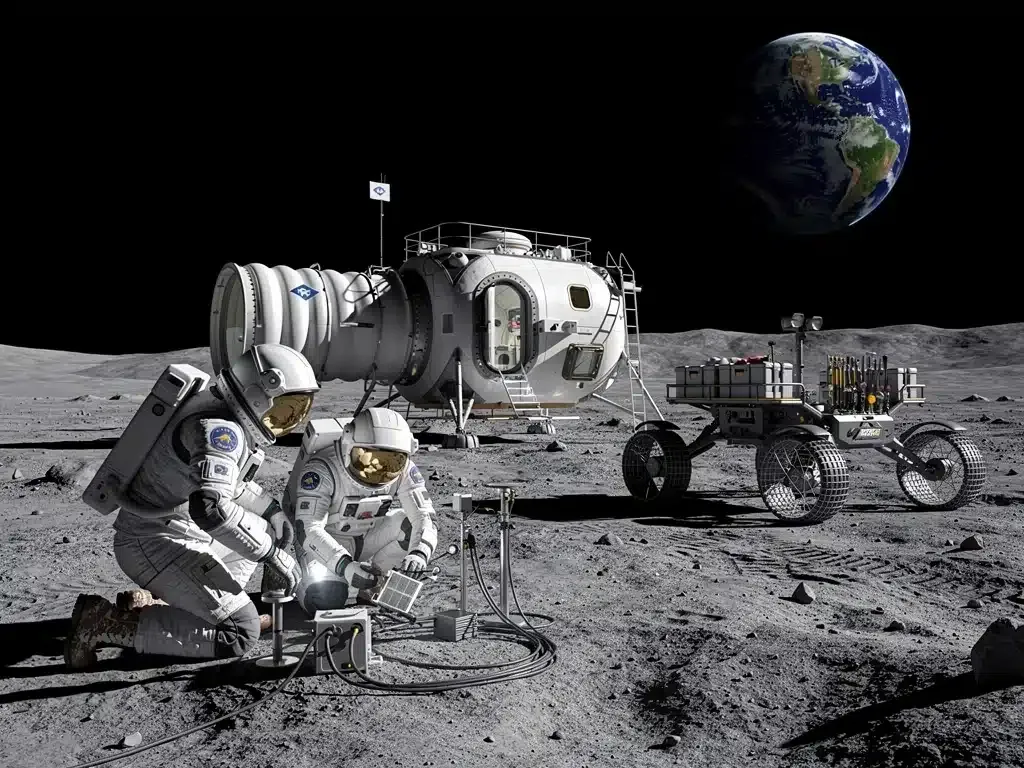
The NASA Lunar Mission 2027 is not just about landing on the Moon; it’s about building the foundational infrastructure for future exploration. This includes developing power generation systems, communication networks, and resource utilization capabilities.
In-situ resource utilization (ISRU), particularly the extraction of water ice from lunar poles, is a key area of focus. This could provide vital resources for life support and propellant production, reducing reliance on Earth-supplied materials.
The development of modular habitats and specialized transportation systems for the lunar surface will also be crucial. These elements will enable astronauts to live and work effectively in the extreme lunar environment for extended periods.
The Future of Human Spaceflight Beyond 2027
The NASA Lunar Mission 2027 is a critical stepping stone, but it is by no means the culmination of human spaceflight. It represents a renewed commitment to pushing the boundaries of exploration, with Mars firmly in NASA’s sights.
Lessons learned from building and operating a sustainable presence on the Moon will be directly applied to future crewed missions to Mars. The Moon will serve as a proving ground for technologies and operational strategies essential for interplanetary travel.
Beyond Mars, the long-term vision includes exploring other destinations in our solar system, unlocking new scientific discoveries, and potentially even discovering extraterrestrial life. The NASA Lunar Mission 2027 is a pivotal chapter in this grand narrative.
Inspiring the Next Generation of Explorers
The excitement generated by the NASA Lunar Mission 2027 and the broader Artemis program is invaluable in inspiring future generations. It showcases the power of human ingenuity and perseverance in the face of immense challenges.
Educational outreach and public engagement are integral components of NASA’s strategy. By sharing the journey, the agency aims to ignite a passion for STEM fields and encourage young minds to pursue careers in space exploration and related disciplines.
The return to the Moon is not just a scientific endeavor; it is a cultural phenomenon that unites people across the globe. It reminds us of our shared humanity and our innate desire to explore the unknown, a legacy that will continue long after the NASA Lunar Mission 2027.
| Key Point | Brief Description |
|---|---|
| Target Date | NASA aims for Q1 2027 for next crewed lunar landing. |
| Precursor Tests | Critical test flights, including Artemis II, scheduled for 2026. |
| Artemis Program | Overarching initiative for sustained human lunar presence. |
| Key Technologies | SLS rocket, Orion spacecraft, and Human Landing System. |
Frequently Asked Questions About NASA’s Lunar Mission
What is the primary goal of the NASA Lunar Mission 2027?▼The primary goal is to land humans on the Moon, specifically the first woman and person of color, and to establish the groundwork for a sustainable human presence. This mission is a crucial step in the broader Artemis program, aiming for long-term lunar exploration and eventual missions to Mars.
How do the 2026 test flights contribute to the 2027 mission?▼The 2026 test flights, particularly Artemis II, are vital for validating the Orion spacecraft’s performance and crew capabilities in deep space. They will provide critical data on life support, navigation, and communication systems, ensuring the safety and success of the crewed lunar landing in 2027.
What new technologies are essential for this lunar mission?▼Key technologies include the powerful Space Launch System (SLS) rocket, the Orion crew spacecraft, and the Human Landing System (HLS). Additionally, advancements in robotics, in-situ resource utilization, and advanced life support systems are crucial for supporting sustained lunar operations and future deep-space exploration.
What role do international partners play in the Artemis program?▼International partners are contributing significantly through the Artemis Accords, providing expertise, hardware, and scientific instruments. This collaboration fosters shared principles for peaceful space exploration, enhances mission capabilities, and strengthens global cooperation in humanity’s return to the Moon and beyond.
What are the long-term implications of establishing a lunar presence?▼Establishing a lunar presence enables long-duration scientific research, resource extraction, and serves as a crucial proving ground for missions to Mars. It expands humanity’s reach in space, inspires future generations, and provides invaluable experience for exploring other celestial bodies within our solar system and beyond.
What this means
The targeting of Q1 2027 for the next crewed NASA Lunar Mission 2027, building on critical 2026 test flights, marks a pivotal moment for space exploration. This timeline underscores NASA’s methodical approach to ensuring mission success and crew safety, reflecting a strategic blend of technological innovation and international collaboration.
It signifies a renewed commitment to establishing a sustainable human presence on the Moon, a foundational step for future deep-space endeavors. The Artemis program’s progress will undoubtedly shape humanity’s trajectory in space for decades to come, inspiring a new era of discovery and scientific advancement.
Readers should closely follow the outcomes of the 2026 test flights and subsequent updates from NASA, as these developments will be crucial indicators of readiness for the ambitious NASA Lunar Mission 2027. The journey to the Moon continues to captivate and challenge, promising profound insights and opportunities.