Maximizing School Resources: 2026 Strategy for Waste Reduction
Advertisements
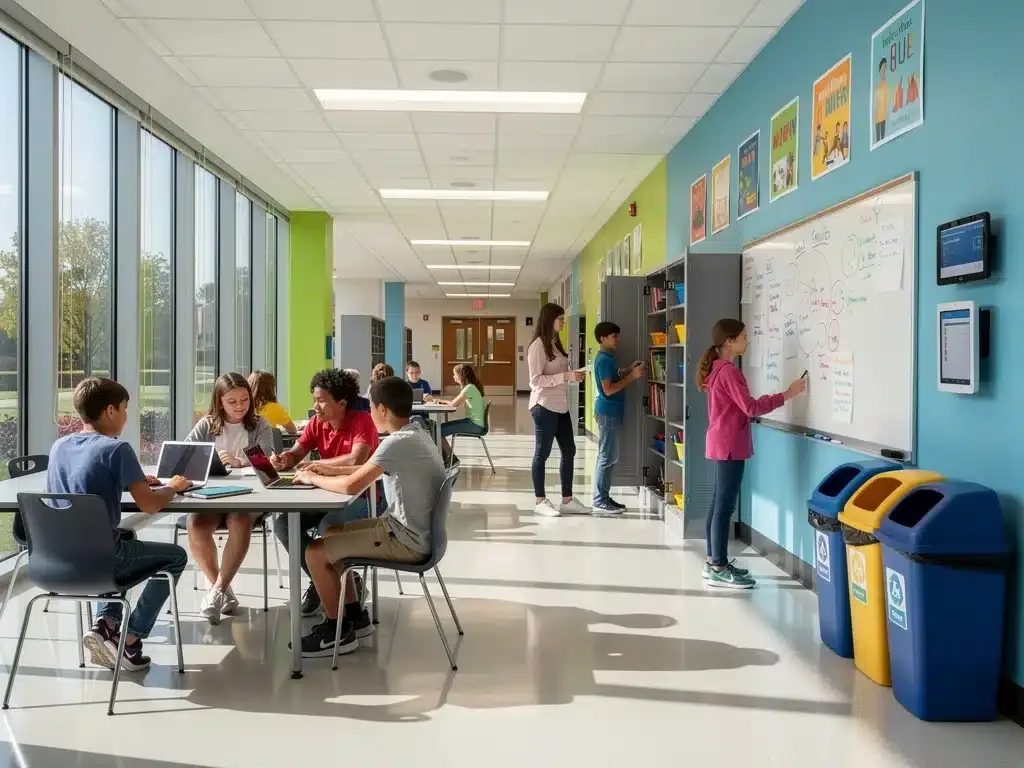
The 2026 strategy for maximizing school resources aims to cut operational waste by 10% while directly boosting student performance across U.S. districts.
Powered by data-driven administration and sustainable policy shifts, here is what changed, why it matters, and how these efficiency targets impact school outcomes.
The Core Objectives of the 2026 Strategy
The 2026 strategy for Maximizing School Resources outlines ambitious goals for educational institutions nationwide.
Central to this plan is a mandated 10% reduction in waste, coupled with measurable improvements in student academic and developmental outcomes.
This dual focus reflects a comprehensive understanding that operational efficiency directly impacts learning environments.
By streamlining processes and eliminating inefficiencies, schools can redirect valuable funds and personnel towards student-centric programs.
The objectives extend beyond mere cost-cutting, aiming to foster a culture of sustainability and continuous improvement. The strategy posits that a well-managed school is inherently better equipped to support its students’ success.
Defining Waste Reduction Targets
The 10% waste reduction target is not arbitrary; it stems from extensive research into current school operational expenditures. This includes everything from energy consumption and water usage to paper waste and food waste in cafeterias.
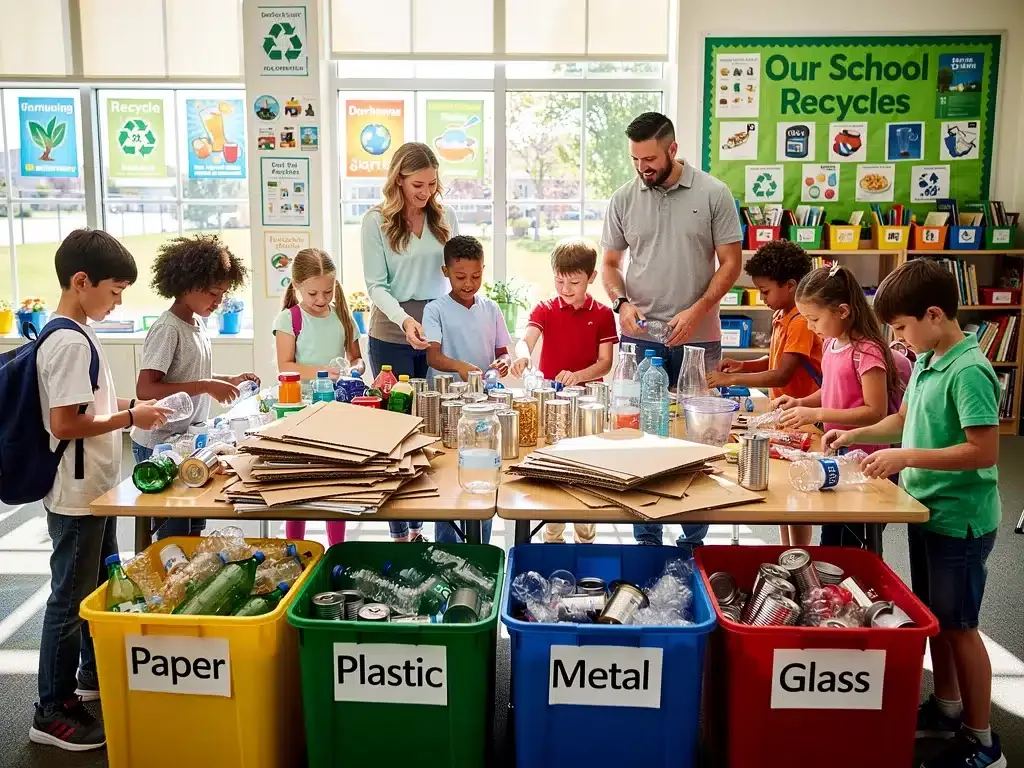
Schools are encouraged to implement innovative solutions, such as advanced recycling programs and energy-efficient infrastructure upgrades.
The goal is to identify and eliminate unnecessary expenditures that do not directly contribute to the educational mission.
These efforts are expected to free up substantial budgetary allocations. These funds can then be reinvested into critical areas like technology, teacher development, and specialized student support services.
Improving Student Outcomes Through Efficiency
Improved student outcomes are the ultimate benchmark for the strategy’s success. By optimizing resource allocation, schools can provide better learning materials, reduce class sizes, and offer more extracurricular activities.
The strategy emphasizes a holistic approach, recognizing that a student’s environment profoundly affects their ability to learn.
A cleaner, more organized, and resource-rich school directly contributes to higher engagement and academic achievement.
Measuring these improvements will involve standardized testing data, attendance rates, graduation rates, and student satisfaction surveys.
These metrics will provide concrete evidence of the strategy’s positive impact on the learning community.
Key Pillars of Resource Optimization
The framework for Maximizing School Resources rests on several key pillars designed to ensure comprehensive implementation.
These pillars address various facets of school operations, from administrative functions to direct classroom support.
Each pillar is supported by specific guidelines and best practices, empowering school administrators to tailor solutions to their unique contexts. The intent is to provide a robust structure while allowing for local flexibility.
The success of these pillars relies heavily on collaboration among all stakeholders, including district leadership, school staff, parents, and community partners. A unified approach is essential for achieving the ambitious goals set for 2026.
Technology Integration for Efficiency
Leveraging modern technology is a cornerstone of the resource optimization strategy. Digital tools can significantly reduce paper consumption, automate administrative tasks, and enhance communication channels.
Investment in energy-efficient technologies, such as smart lighting systems and optimized HVAC units, will yield substantial savings over time. These savings can then be channeled back into educational programs.
Furthermore, educational technology can personalize learning experiences, making instruction more effective and engaging. This directly contributes to improved student outcomes by catering to diverse learning needs.
Sustainable Procurement Practices
Adopting sustainable procurement practices is another critical pillar. This involves prioritizing suppliers who offer environmentally friendly products and services, reducing the school’s ecological footprint.
Schools will be encouraged to purchase durable, reusable, and recyclable materials whenever possible. This not only cuts down on waste but also often leads to long-term cost savings compared to single-use alternatives.
The strategy also promotes local sourcing, which can reduce transportation costs and support local economies. These practices reinforce the broader goals of sustainability and community engagement.
Implementation Challenges and Solutions
Implementing a strategy as extensive as Maximizing School Resources inevitably presents challenges. Schools operate within diverse socio-economic landscapes, each with unique constraints and opportunities.
Initial resistance to change, budgetary limitations for upfront investments, and the need for extensive staff training are among the anticipated hurdles. Addressing these proactively is crucial for successful adoption.
The strategy includes provisions for phased implementation and ongoing support, recognizing that a transformation of this magnitude requires sustained effort and adaptability. Continuous monitoring and evaluation will also play a key role.
Overcoming Funding Barriers
Securing initial funding for resource optimization initiatives can be a significant barrier for many districts. While the long-term benefits are clear, the upfront costs for new technologies or infrastructure upgrades can be substantial.
The federal government, along with various state agencies, is expected to provide grant opportunities and low-interest loans specifically for schools adopting the 2026 strategy. Public-private partnerships are also being explored.
Demonstrating the return on investment through pilot programs will be vital in convincing hesitant stakeholders. Successful case studies can serve as powerful motivators for broader adoption.
Staff Training and Engagement
Effective implementation hinges on the full engagement and training of school staff. Teachers, administrators, and support personnel need to understand the rationale behind the changes and how their roles contribute to the overall success.
Comprehensive training programs will be rolled out, focusing on new operational procedures, technology utilization, and waste reduction best practices. Workshops and online modules will ensure accessibility for all staff members.
Creating a culture of ownership and encouraging staff to propose innovative solutions will be paramount. Recognizing and rewarding efforts towards resource maximization can further incentivize participation.
Measuring Impact and Accountability
Accountability is a fundamental component of the 2026 strategy for Maximizing School Resources. Robust measurement systems are being established to track progress, identify areas for improvement, and ensure transparency.
Regular reporting mechanisms will provide insights into waste reduction metrics, cost savings, and, most importantly, student outcome data. This data-driven approach will inform future adjustments and policy refinements.
The commitment to accountability ensures that the strategy remains focused on its core objectives and delivers tangible benefits to both the school system and its students. It also builds trust with the communities served.
Schools will be required to submit quarterly reports detailing their progress against established benchmarks. These reports will cover various aspects, from energy consumption to academic performance indicators.
External audits and independent evaluations will complement internal reporting, providing an unbiased assessment of the strategy’s effectiveness. This multi-layered approach to oversight ensures accuracy and reliability.
The data collected will not only serve accountability purposes but also provide valuable insights for continuous improvement. Identifying successful practices can lead to their replication across other schools and districts.
Community and Parental Involvement
The success of Maximizing School Resources is intrinsically linked to strong community and parental involvement. Engaging these vital stakeholders can significantly amplify the impact of the strategy.
Parents and community members can contribute through volunteer efforts, resource sharing, and advocacy for sustainable practices. Their support strengthens the school’s capacity to achieve its goals.
Building strong partnerships fosters a shared sense of responsibility for the educational environment. This collective effort ensures that the benefits of resource maximization extend beyond the school walls into the broader community.
Engaging Local Businesses and Organizations
Local businesses and community organizations can play a crucial role in supporting the strategy. Partnerships can facilitate donations of materials, expertise, or even financial contributions for specific projects.
For instance, local recycling companies might offer discounted services or educational workshops for students. Businesses specializing in energy efficiency could provide consulting or installation services.
These collaborations not only provide valuable resources but also integrate the school more deeply into its community, creating a symbiotic relationship that benefits all parties involved.
Parental Support for Sustainable Practices
Parental support is essential for extending sustainable practices from school into the home. Educating parents about the strategy’s goals can encourage them to reinforce waste reduction and resource conservation at home.
Schools can organize workshops for parents on topics like energy saving, responsible consumption, and healthy eating to reduce food waste. This creates a consistent message for students across different environments.
Engaged parents often become powerful advocates for school initiatives, helping to garner broader community support and ensure the long-term success of the resource maximization efforts.
Long-Term Vision and Future Prospects
The 2026 strategy for Maximizing School Resources represents a pivotal moment for educational institutions across the United States.
Its successful implementation will set new benchmarks for efficiency, sustainability, and student success.
By embedding resource efficiency and student-centric outcomes into the core operations of schools, the strategy seeks to create a self-sustaining model.
This model will continuously adapt and evolve with future needs and technological advancements.
The ultimate goal is to establish a national standard for educational resource management, positioning U.S. schools as leaders in both academic excellence and environmental stewardship. This forward-looking perspective ensures lasting impact.
Scalability and Replication
One of the key considerations in developing the 2026 strategy was its scalability. The principles and practices outlined are designed to be adaptable to schools of all sizes and in diverse geographical locations.
Successful pilot programs in various districts will provide valuable insights into best practices and potential adjustments. These learnings will then be disseminated to facilitate broader replication across the country.
The strategy envisions a network of resource-efficient schools, each contributing to a larger national movement towards sustainable education. This collaborative approach fosters continuous learning and improvement.
Continuous Improvement and Innovation
The framework for Maximizing School Resources emphasizes continuous improvement. The strategy is not static; it includes mechanisms for regular review and adaptation based on performance data and emerging best practices.
Encouraging innovation at the local level is also a priority. Schools are encouraged to experiment with new ideas and technologies that can further enhance resource efficiency and student outcomes.
This dynamic approach ensures that the strategy remains relevant and effective in an ever-changing educational landscape. It positions schools to be proactive rather than reactive in their pursuit of excellence.
Economic and Environmental Benefits
The strategy for Maximizing School Resources promises significant economic and environmental benefits that extend far beyond the school gates. These advantages underscore the multifaceted value of the initiative.
Economically, reduced operational costs free up funds for direct educational investment, stimulating local economies through sustainable procurement. Environmentally, the focus on waste reduction and efficiency lessens ecological impact.
These benefits collectively contribute to a more resilient and responsible educational system, demonstrating how smart resource management can yield widespread positive outcomes for society as a whole.
Cost Savings and Reinvestment
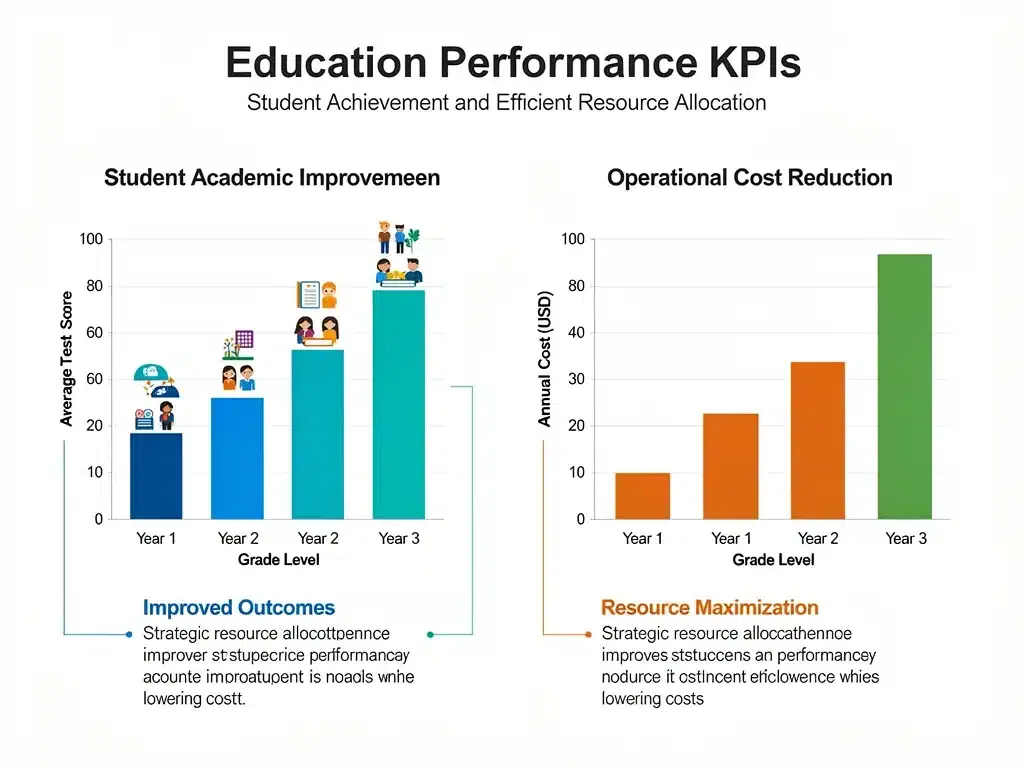
The projected 10% waste reduction is expected to translate into substantial cost savings for school districts. These savings can be channeled directly into enhancing educational programs and resources.
For example, funds saved on energy bills or waste disposal can be used to purchase new textbooks, upgrade computer labs, or hire additional support staff. This direct reinvestment benefits students immediately.
Over time, these cumulative savings can significantly improve the financial health of school systems, allowing for strategic long-term planning and investment in innovative educational approaches.
Reduced Ecological Footprint
From an environmental perspective, Maximizing School Resources will lead to a considerable reduction in the ecological footprint of educational institutions.
Less waste means fewer landfills, and greater energy efficiency means lower carbon emissions.
Schools serve as powerful examples for their communities, demonstrating practical steps towards sustainability. This can inspire students, staff, and parents to adopt more environmentally conscious behaviors in their daily lives.
The strategy contributes to broader national and global efforts to combat climate change and promote environmental stewardship. Schools become active participants in building a greener, more sustainable future.
The Role of Policy and Governance
Effective policy and robust governance are critical enablers for the successful implementation of Maximizing School Resources. Clear guidelines and consistent oversight ensure adherence to the strategy’s principles.
Federal and state educational agencies are collaborating to develop supportive policies, funding mechanisms, and accountability frameworks. These top-down directives provide the necessary structure for district-level execution.
Local school boards and administrators are tasked with translating these policies into actionable plans, ensuring that the strategy aligns with local needs while meeting broader objectives. This multi-level governance approach is essential.
Legislation and Funding Mechanisms
New legislation is being considered to provide a legal and financial foundation for the 2026 strategy. This includes potential mandates for waste reduction targets and incentives for schools that achieve significant improvements.
Dedicated funding streams will be established to support schools in making necessary investments in infrastructure and technology. These mechanisms are designed to alleviate the initial financial burden on districts.
The policy landscape is evolving to create an environment where resource maximization is not just an aspiration but a well-supported and enforceable standard across the U.S. education system.
Oversight and Reporting Structures
Comprehensive oversight and reporting structures are being put in place to monitor the strategy’s progress. These structures will ensure that schools are held accountable for meeting their waste reduction and outcome improvement targets.
Regular audits, performance reviews, and public reporting will provide transparency and allow for timely interventions if schools are struggling to meet their goals. This ensures continuous improvement and accountability.
The governance model emphasizes collaboration over punitive measures, aiming to support schools in overcoming challenges and sharing successful strategies across the network. This fosters a supportive environment for transformation.
| Key Point | Brief Description |
|---|---|
| Waste Reduction Target | Achieve a 10% reduction in school waste by 2026 across all operational areas. |
| Student Outcome Improvement | Directly link resource efficiency to enhanced academic performance and student well-being. |
| Technology Integration | Utilize digital tools and energy-efficient systems for operational savings and improved learning. |
| Community Engagement | Foster partnerships with parents and local organizations to support sustainable school practices. |
Frequently Asked Questions About School Resource Maximization
What is the primary goal of the 2026 strategy for Maximizing School Resources?▼The main objective is to reduce school waste by 10% while simultaneously improving student outcomes. This strategy aims for a more efficient, sustainable, and educationally effective school system by optimizing resource allocation and operational practices across the board.
How will waste reduction be measured in schools?▼Waste reduction will be measured through various metrics, including reduced energy consumption, water usage, and physical waste (e.g., paper, food). Schools will submit regular reports detailing their progress against established benchmarks, often supported by external audits to ensure accuracy and transparency in the data.
What role does technology play in Maximizing School Resources?▼Technology is crucial for efficiency, from automating administrative tasks and reducing paper waste to implementing energy-efficient systems. Educational technology also enhances student learning experiences, personalizing instruction and contributing directly to improved academic outcomes. It’s a key investment area.
How will the strategy impact student outcomes directly?▼By optimizing resource allocation, schools can invest more in quality learning materials, smaller class sizes, and specialized support programs. A more efficient and sustainable environment fosters better student engagement, leading to improved academic performance, higher attendance, and increased graduation rates, as measured by various metrics.
What support is available for schools implementing this strategy?▼Schools will receive support through federal and state grants, low-interest loans, and opportunities for public-private partnerships. Comprehensive training for staff, along with clear guidelines and continuous monitoring, will ensure effective implementation. Community and parental involvement are also encouraged to bolster these efforts.
Looking Ahead: The Future of School Resource Management
The 2026 strategy for Maximizing School Resources represents a pivotal moment for educational institutions across the United States.
Its successful implementation will set new benchmarks for efficiency, sustainability, and student success.
The ongoing developments and adjustments will be critical to monitor as schools adapt to these new standards.
Focusing on data-driven decisions and exploring targeted resources for improvement will empower leaders to strengthen collaborative efforts and achieve ambitious targets.
This initiative promises significant economic and environmental benefits alongside a profound transformation in the quality of education provided nationwide.
The journey toward a more optimized and impactful school system is well underway.