Are 4.75% High-Yield Savings Accounts Sustainable?
Advertisements
Earning a top-tier return on your cash cushion has been a major win for smart savers over the past couple of years. But as central bank monetary policies pivot, many are wondering how long these generous interest rates will actually last.
If you rely on High-Yield Savings accounts to grow your emergency fund, understanding how online banks set their annual percentage yields is crucial. Variable rate products are directly tied to federal benchmarks, meaning high payouts can adjust quickly when monetary policy shifts.
Knowing what drives bank rate decisions helps you protect your passive earnings before yields drop across the industry. Here is a clear look at whether competitive cash returns are here to stay and how to lock in maximum growth for your money.
Federal Reserve's Influence on Savings Rates
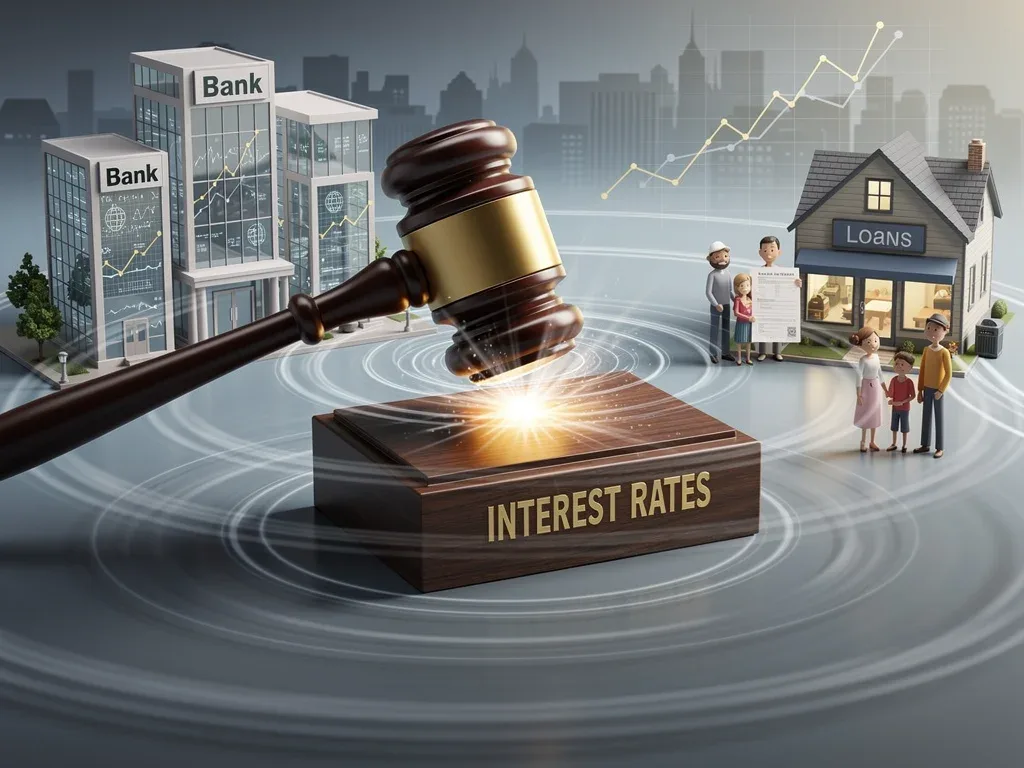
The Federal Reserve's decisions on the federal funds rate directly impact the interest rates offered by banks, including those on high-yield savings accounts. When the Fed raises rates, banks generally follow suit to attract deposits, leading to higher APYs for consumers.
Conversely, a stable or declining federal funds rate can put downward pressure on these attractive savings yields. The recent shifts have created a complex environment where the immediate future of high-yield offerings is under scrutiny.
Savers are keenly watching every announcement from the Fed, as these policy changes have tangible effects on their personal finances. The sustainability of 4.75% high-yield savings accounts hinges significantly on these broader economic maneuvers.
Understanding High-Yield Savings Account Mechanics
High-yield savings accounts (HYSAs) typically offer significantly higher interest rates than traditional savings accounts, often from online-only banks. These institutions have lower overheads, allowing them to pass on greater returns to their depositors.
The rates offered by HYSAs are variable, meaning they can change at any time based on market conditions and the bank's strategy. This variability is a key factor in assessing whether 4.75% high-yield savings accounts remain sustainable.
For consumers, this means constantly monitoring their account's Annual Percentage Yield (APY) and being prepared for potential adjustments. The competitive landscape among online banks also plays a crucial role in maintaining these elevated rates.
Market Dynamics and Competitive Pressures
The banking sector is highly competitive, especially among online banks vying for deposits. This competition can help sustain higher interest rates even when the broader economic environment suggests a decline.
However, if the Federal Reserve signals a prolonged period of rate cuts, the pressure on banks to lower their APYs will intensify. This scenario could challenge the ability of some institutions to maintain rates like 4.75% high-yield savings accounts.
The Role of Deposit Growth
Banks with strong deposit growth may be less aggressive in offering top-tier rates.
Institutions seeking to expand their deposit base might continue to offer competitive APYs.
Consumer behavior, such as switching banks for better rates, also fuels competition.
The balance between attracting new customers and maintaining profitability is delicate. Banks continuously adjust their offerings to remain competitive while managing their overall financial health.

Impact of Inflation and Economic Outlook
Inflation is another significant factor influencing the real return on savings, even for 4.75% high-yield savings accounts. If inflation rates are high, the purchasing power of savings can erode, diminishing the true value of the interest earned.
The Federal Reserve's primary goal in adjusting rates is often to control inflation and promote economic stability. Therefore, the trajectory of inflation will heavily influence future rate decisions and, consequently, HYSA rates.
An optimistic economic outlook with controlled inflation could provide a more stable environment for high-yield savings. Conversely, persistent inflation or economic uncertainty might lead to further rate volatility.
Consumer Behavior and Savings Strategies
Consumers have become increasingly savvy about seeking out the best interest rates for their savings. The rise of online banking has made it easier to compare and switch accounts, putting pressure on banks to offer competitive APYs.
Many individuals are actively moving their funds to chase the highest rates, directly impacting the market for 4.75% high-yield savings accounts. This proactive approach by savers contributes to the dynamic nature of these offerings.
For those looking to maximize their returns, staying informed about market trends and Federal Reserve announcements is crucial. Diversifying savings across different institutions or types of accounts can also be a prudent strategy.
Potential Scenarios for High-Yield Rates
Several scenarios could unfold regarding the sustainability of 4.75% high-yield savings accounts. One possibility is that rates stabilize at current levels if the Fed pauses its rate adjustments for an extended period.
Another scenario involves a gradual decline in rates if the Federal Reserve begins to cut the federal funds rate in response to economic cooling or decreasing inflation. This would likely lead to a corresponding decrease in HYSA APYs.
Future Rate Trajectories
Stabilization: Fed holds rates steady, HYSAs remain competitive.
Gradual Decline: Fed cuts rates, HYSA APYs slowly decrease.
Increased Volatility: Economic uncertainty leads to frequent rate adjustments.
Financial experts widely agree that continuous monitoring of economic indicators and central bank communications is essential. The future of 4.75% high-yield savings accounts will directly reflect these broader economic forces.
Bank Profitability and Lending Environment
The ability of banks to offer and sustain high-yield savings rates is intrinsically linked to their overall profitability and the prevailing lending environment. Banks earn revenue by lending out deposits at higher interest rates than they pay to savers.
If lending opportunities diminish or interest rate margins compress, banks may find it challenging to maintain elevated savings rates. This delicate balance directly impacts the sustainability of 4.75% high-yield savings accounts.
A robust lending market, coupled with favorable interest rate spreads, allows banks greater flexibility in offering attractive deposit products. Conversely, a tightening lending environment could force a reduction in savings rates.
Regulatory Landscape and Consumer Protection
The regulatory landscape also plays a role in the stability and attractiveness of high-yield savings accounts. In the United States, accounts at FDIC-insured banks are protected up to $250,000 per depositor, per bank, for each ownership category.
This insurance provides a crucial layer of security for savers, making high-yield accounts a relatively low-risk option despite interest rate fluctuations. The presence of such protections helps maintain consumer confidence in these products.
While regulators do not dictate interest rates, their oversight ensures the financial stability of institutions offering these accounts. This contributes to the overall trustworthiness and sustainability of 4.75% high-yield savings accounts in the market.
Navigating the Future of High-Yield Savings
For consumers, navigating the future of high-yield savings involves staying informed and adaptable. The era of consistently high rates for 4.75% high-yield savings accounts may not last indefinitely, but competitive options are likely to persist.
It is advisable to periodically review the APY of your savings account and compare it with current market offerings. Many online banks frequently update their rates, and being proactive can help maximize your returns.
Consider not only the interest rate but also other factors like minimum balance requirements, fees, and ease of access to funds. A holistic approach ensures that your chosen savings solution aligns with your financial goals and risk tolerance.
Key Aspect | Current Status / Outlook |
|---|---|
Federal Reserve Rates | Directly impacts HYSA rates; potential for stabilization or cuts. |
Market Competition | Drives banks to offer competitive APYs, supporting rates. |
Inflationary Pressures | Influences real returns and Fed's future rate decisions. |
Consumer Vigilance | Actively seeking best rates sustains competition and informs choices. |
Frequently Asked Questions About High-Yield Savings
Are 4.75% high-yield savings accounts still sustainable in the long term?▼
The long-term sustainability of 4.75% high-yield savings accounts depends heavily on future Federal Reserve policy and overall economic conditions. While current rates are strong, potential rate cuts could lead to adjustments. Consumers should monitor economic indicators and bank announcements for the most up-to-date outlook on these rates.
How do Federal Reserve rate changes directly affect my high-yield savings?▼
When the Federal Reserve adjusts the federal funds rate, banks typically follow by changing their deposit and lending rates. A Fed rate hike usually translates to higher HYSA APYs, while a rate cut often leads to lower returns. These changes are usually not immediate but occur over time.
What should I do if my bank lowers its high-yield savings rate?▼
If your bank lowers its high-yield savings rate, it's a good time to compare offerings from other financial institutions. The online banking landscape is competitive, and you may find another bank offering a more attractive APY. Consider switching accounts to maximize your returns, but also review terms and conditions.
Are high-yield savings accounts safe with fluctuating rates?▼
Yes, high-yield savings accounts at FDIC-insured banks are generally safe, even with fluctuating rates. The FDIC insurance protects your deposits up to $250,000 per depositor, per bank, per ownership category, safeguarding your principal regardless of interest rate changes or bank performance. Rate fluctuations affect returns, not safety.
Will 4.75% high-yield savings accounts disappear entirely if rates drop?▼
It's unlikely that high-yield savings accounts will disappear entirely, even if interest rates drop. Banks will continue to compete for deposits, and some will likely still offer higher rates than traditional savings accounts, albeit potentially lower than the current 4.75%. The competitive landscape ensures their continued presence.
What this means
The ongoing discussion around 4.75% High-Yield Savings Accounts underscores the dynamic nature of personal finance. Savers must remain vigilant, understanding that while current rates are attractive, they are subject to broader economic forces and central bank policies.
Monitoring official announcements and market trends will be key to making informed decisions about where to keep your savings and ensuring your money works as hard as possible for you.