Green Bonds 2026: Sustainable Finance Growth & Investment
Advertisements

The market for Green Bonds is expanding rapidly as global sustainability commitments intensify. Governments and corporations are increasingly using these instruments to finance environmental initiatives.
Rising demand for Green reflects a broader shift toward responsible investing and climate-focused capital allocation. Regulatory backing and investor appetite are accelerating issuance volumes worldwide.
As they gain momentum heading into 2026, market participants must track policy developments and performance metrics. Their growing role signals a structural transformation in sustainable finance.
Understanding the Green Bonds 2026 Investment Landscape
The market for green bonds is a specialized segment of the broader fixed-income market, designed to finance projects with environmental benefits. These benefits typically include renewable energy, energy efficiency, sustainable waste management, and conservation of biodiversity.
The core principle is transparency, ensuring that the proceeds are exclusively used for designated green projects.
For investors, green bonds offer a dual benefit: financial returns comparable to conventional bonds and a demonstrable positive environmental impact. This combination appeals to a growing segment of investors, from institutional funds to individual retail investors, who prioritize both profit and purpose.
The market’s integrity is maintained through rigorous third-party verification and reporting standards.
The issuance of green bonds has seen exponential growth over the past decade, and this momentum is expected to continue leading up to 2026.
This expansion is driven by a confluence of factors, including increased corporate sustainability goals, government incentives, and a rising global awareness of climate risks. As such, the Green Bonds 2026 Investment outlook remains highly favorable.
Drivers of Growth in Sustainable Finance
Several key drivers are propelling the growth of sustainable finance, making Green Bonds 2026 Investment particularly attractive.
Regulatory frameworks worldwide are increasingly mandating or incentivizing sustainable practices, pushing corporations and governments towards green financing. This includes disclosure requirements and taxonomies for sustainable activities.
Investor demand is another significant catalyst. A new generation of investors, especially millennials and Generation Z, are actively seeking investment opportunities that align with their values.
ESG (Environmental, Social, and Governance) factors are no longer niche considerations but mainstream components of investment analysis. This demographic shift is profoundly influencing capital allocation decisions.
Technological advancements in renewable energy and other green technologies are also making environmental projects more economically viable and scalable.
This reduces the risk associated with green investments and enhances their appeal. The convergence of these drivers creates a fertile ground for the sustained expansion of the green bond market.
Key Trends Shaping Green Bonds Towards 2026

Several critical trends are shaping the future of Green Bonds 2026 Investment.
One prominent trend is the diversification of issuers, moving beyond traditional government and multilateral development banks to include a broader range of corporate and financial institutions. This expansion offers investors a wider array of choices and risk profiles.
Another significant trend is the standardization and harmonization of green bond principles and reporting.
Organizations like the International Capital Market Association (ICMA) are continually refining guidelines to enhance transparency and credibility. This standardization helps mitigate greenwashing concerns and builds investor confidence in the integrity of green bond issuances.
Furthermore, the emergence of new types of sustainable bonds, such as social bonds and sustainability-linked bonds, is broadening the scope of impact investing.
While distinct, these instruments often share common principles with green bonds and contribute to the overall growth of the sustainable finance ecosystem. This evolution provides more nuanced options for investors seeking specific impact outcomes.
Investment Opportunities in Green Bonds for 2026: Sectoral Focus
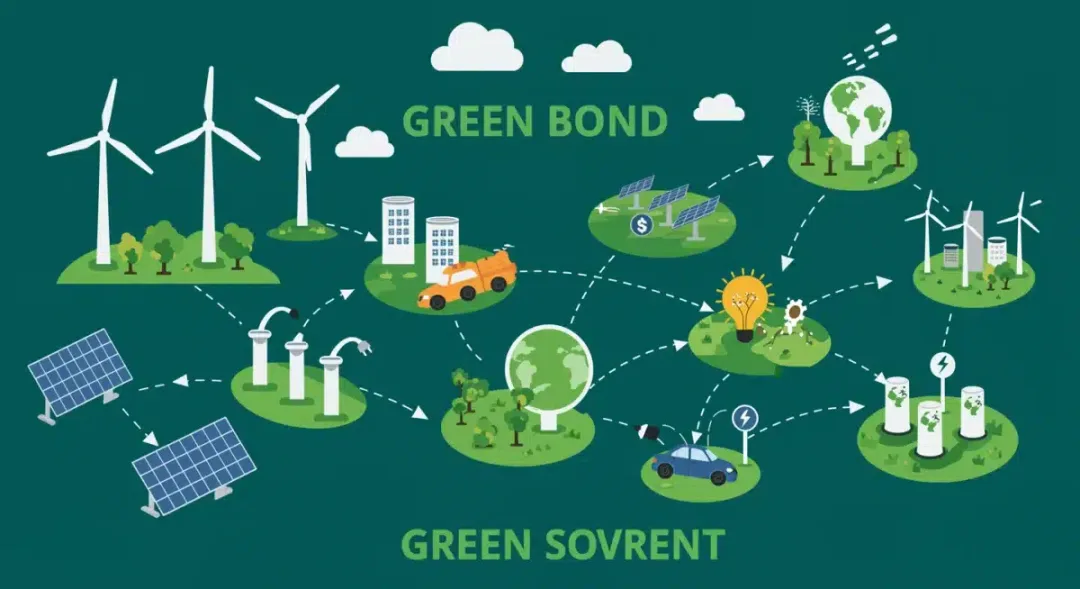
When considering Green Bonds 2026 Investment, examining specific sectors offers valuable insights. Renewable energy remains a cornerstone, with bonds funding solar, wind, hydro, and geothermal projects.
The demand for clean energy solutions continues to accelerate globally, driven by energy security concerns and climate targets.
Sustainable transportation is another rapidly expanding sector. This includes investments in electric vehicle infrastructure, public transit systems, and sustainable freight logistics.
Urbanization and the imperative to reduce emissions from transportation make this an attractive area for green bond financing. Cities worldwide are actively seeking funds for these initiatives.
Green buildings and energy efficiency projects present substantial opportunities. Bonds financing the construction of energy-efficient buildings, retrofits, and smart grid technologies contribute significantly to reducing carbon footprints.
These projects often yield measurable energy savings, providing a clear return on investment. Water and waste management also represent growing segments within the green bond market.
Risk and Return Profile of Green Bonds
The risk and return profile of green bonds is generally comparable to that of conventional bonds from the same issuer. The ‘green’ label primarily pertains to the use of proceeds, rather than altering the underlying credit risk.
This means investors can expect similar financial performance while achieving environmental objectives, a key aspect of Investment Decisions strategies.
However, green bonds may offer additional benefits. Some studies suggest a ‘greenium,’ a phenomenon where green bonds trade at a slightly tighter yield compared to conventional bonds, reflecting higher demand from ESG-focused investors.
While not universally observed, this potential premium can enhance returns for certain issuers and investors alike.
The primary risks associated with green bonds typically mirror those of traditional fixed-income instruments, including interest rate risk, credit risk, and liquidity risk.
However, specific to green bonds is the risk of ‘greenwashing,’ where projects may not deliver the promised environmental benefits. This risk is mitigated by robust verification and reporting standards, which are continuously improving.
Challenges and Considerations for Green Bonds 2026 Investment
Despite the promising outlook, challenges remain for Green Bonds 2026 Investment. One significant challenge is ensuring the integrity and credibility of green projects.
The risk of greenwashing, where an issuer misrepresents the environmental benefits of a project, poses a threat to investor confidence. This necessitates stringent external verification and impact reporting.
Another consideration is the liquidity of the green bond market, particularly for smaller issuances or those from emerging markets.
While the overall market is growing, some segments may still lack the depth of conventional bond markets. This can affect ease of trading and price discovery. However, increased market participation is gradually addressing these concerns.
Furthermore, the complexity of measuring and reporting environmental impact can be a hurdle for both issuers and investors.
Developing universally accepted metrics and reporting frameworks is an ongoing process. Overcoming these challenges will be crucial for the continued robust growth and mainstream adoption of green bonds in the coming years.
Regulatory Environment and Policy Support
The regulatory environment plays a pivotal role in shaping the trajectory of Green Bonds 2026 Investment.
Governments and international bodies are increasingly implementing policies that favor sustainable finance, including tax incentives, subsidies for green projects, and mandates for institutional investors to consider ESG factors. These policies create a more conducive environment for green bond issuance and investment.
For instance, the European Union’s Green Bond Standard and the U.S. government’s focus on climate-related financial disclosures are significant developments.
These initiatives aim to standardize definitions, enhance transparency, and provide clear guidance for the market. Such regulatory clarity is essential for scaling up the green bond market and attracting a broader investor base.
Policy support extends beyond national borders, with international agreements like the Paris Agreement driving global commitments to climate finance.
These overarching frameworks encourage countries to develop their own green finance strategies, often including green bonds as a key component. The alignment of global and local policies strengthens the long-term outlook for green bonds.
The Role of Technology and Innovation
Technology and innovation are increasingly crucial for enhancing the efficiency and impact of Green Bonds 2026 Investment.
Blockchain technology, for example, is being explored for its potential to improve the transparency and traceability of green bond proceeds, ensuring funds are used as intended. This could significantly reduce administrative costs and enhance investor trust.
Data analytics and artificial intelligence are also transforming how environmental impact is measured and reported.
Sophisticated tools can now track and verify the performance of green projects with greater precision, providing investors with more reliable data on the actual environmental benefits. This level of detail is vital for impact-driven investors.
Furthermore, innovative financial structures are emerging, such as green securitizations and green bond funds, which offer new avenues for investors to access the market.
These innovations broaden the appeal of green bonds to different investor segments and facilitate greater capital mobilization towards sustainable initiatives. The integration of technology will continue to drive market evolution.
Future Outlook for Green Bonds 2026 Investment
The future outlook for Green Bonds 2026 Investment is exceptionally positive, driven by accelerating climate action and the growing mainstreaming of sustainable finance.
The market is expected to continue its robust growth, with increasing issuance volumes and a wider range of green projects being financed. This expansion will offer diverse opportunities for investors.
As sustainability becomes an even greater imperative for businesses and governments, green bonds will likely become an indispensable tool for financing the transition to a low-carbon economy.
The continuous improvement in reporting standards, coupled with technological advancements, will further solidify their position as a credible and impactful investment option.
Investors looking towards 2026 should consider integrating green bonds into their portfolios as a strategic move to align financial goals with environmental stewardship.
The market’s maturity and increasing liquidity will make these instruments more accessible and attractive, reinforcing their role in shaping a sustainable financial future.
| Key Point | Brief Description |
|---|---|
| Market Growth | Green bonds market projected for significant expansion towards 2026 due to demand and regulation. |
| Key Drivers | Regulatory support, investor demand for ESG, and technological advancements fuel growth. |
| Sectoral Focus | Renewable energy, sustainable transport, and green buildings offer prime investment areas. |
| Challenges | Greenwashing concerns and market liquidity require robust verification and standardization. |
Frequently Asked Questions About Green Bonds
What exactly are green bonds?▼Green bonds are debt instruments issued to finance projects that have positive environmental or climate benefits. These projects can range from renewable energy installations to sustainable waste management systems. Issuers commit to using the proceeds exclusively for designated green projects, with transparency and reporting being key components of their structure.
How do green bonds differ from conventional bonds?▼The primary difference lies in the use of proceeds. While conventional bonds can fund any corporate or government activity, green bonds specifically allocate capital to environmentally beneficial projects. Financially, their risk and return profiles are often similar to conventional bonds from the same issuer, but with an added environmental impact.
What are the main benefits of investing in green bonds?▼Investing in green bonds offers several benefits, including competitive financial returns, diversification of investment portfolios, and the opportunity to support sustainable development. They also provide transparency regarding the environmental impact of investments, appealing to investors focused on ESG criteria and contributing to a positive global change.
What are the risks associated with green bonds?▼Like all fixed-income instruments, green bonds carry interest rate and credit risks. A specific risk is ‘greenwashing,’ where the environmental claims of a project are exaggerated or unsubstantiated. However, this risk is mitigated by third-party verification and adherence to established green bond principles, which are constantly being refined for greater clarity.
How is the green bond market expected to evolve by 2026?▼The green bond market is projected to continue its rapid growth by 2026, driven by increased regulatory support, rising investor demand for sustainable products, and technological advancements in green projects. Expansion will likely include more diverse issuers and innovative financial structures, further solidifying green bonds as a vital component of sustainable finance globally.
Looking Ahead
The trajectory for Green Bonds 2026 Investment indicates a clear and sustained path toward mainstream financial integration.
As global economies continue to grapple with climate change and sustainability mandates, these financial instruments will serve as critical conduits for necessary capital.
Investors should monitor evolving regulatory landscapes and emerging green technologies, which will further shape the market’s dynamics.
The continued maturation of impact reporting and verification standards will also be key in bolstering confidence and attracting a broader pool of investors, ensuring green bonds remain a powerful force in sustainable finance.