FCC Fines AI Robocalls: $10,000 Per Violation Imposed
Advertisements
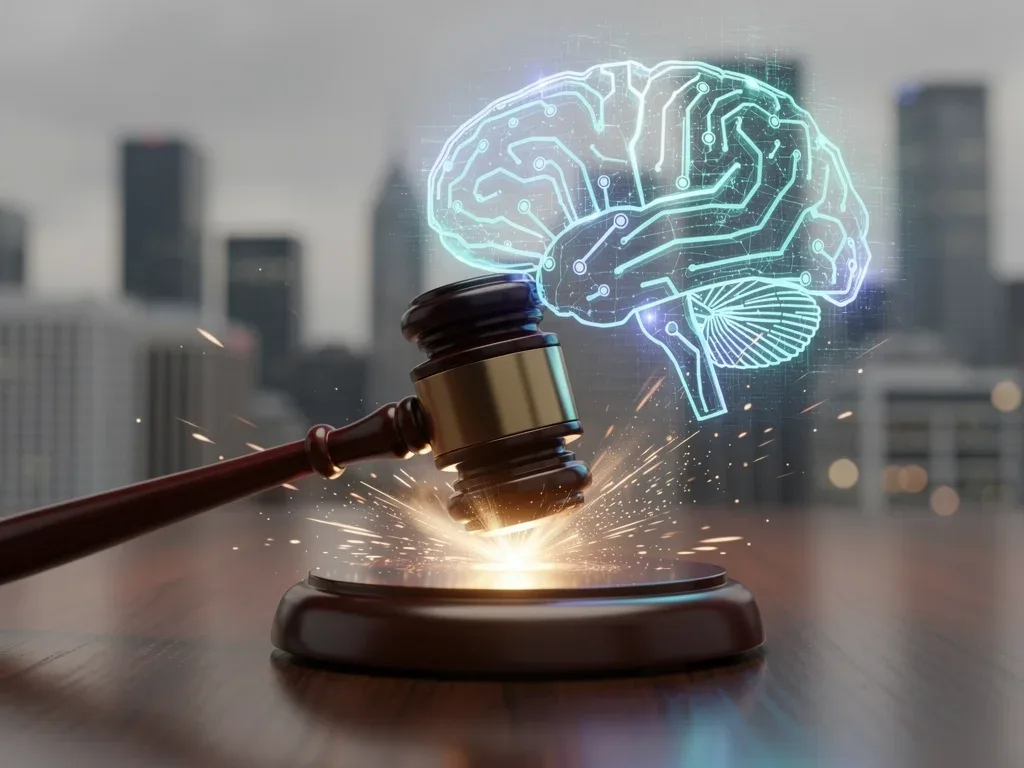
Latest developments on FCC Implements Immediate $10,000 Fines per Violation for Deceptive AI-Generated Robocalls, with key facts, verified sources and what readers need to monitor next in Estados Unidos, presented clearly in Inglês (Estados Unidos) (en-US).
FCC Implements Immediate $10,000 Fines per Violation for Deceptive AI-Generated Robocalls is shaping today’s agenda with new details released by officials and industry sources. This update prioritizes what changed, why it matters and what to watch next, in a straightforward news format.
The Federal Communications Commission (FCC) has taken a decisive stance against the growing threat of AI-generated robocalls, announcing immediate and substantial fines. This move underscores a heightened commitment to protecting consumers from sophisticated deceptive practices that leverage artificial intelligence for malicious purposes.
The new regulatory framework targets companies and individuals employing AI to create synthetic voices or generate misleading content in automated calls. These fines are designed to deter illegal activities and ensure accountability in the rapidly evolving landscape of telecommunications technology.
This critical development comes as consumers report an increasing number of scam calls featuring highly realistic, AI-generated voices, making it harder to distinguish legitimate communications from fraudulent ones. The FCC's action is a direct response to these escalating concerns and the need for robust enforcement.
FCC Cracks Down on AI Robocalls with Stiff Penalties
The Federal Communications Commission (FCC) has announced a groundbreaking enforcement action, implementing immediate $10,000 fines per violation for deceptive AI-generated robocalls. This move marks a significant escalation in the battle against illegal and fraudulent automated calls that increasingly utilize artificial intelligence.
The decision, effective immediately, empowers the FCC to impose substantial financial penalties on entities found to be deploying AI-generated voices or content in unlawful robocalls. This swift response reflects the urgency of combating advanced deceptive tactics that exploit modern technology.
Chairwoman Jessica Rosenworcel emphasized the FCC's commitment to consumer protection, stating that these new fines are a clear signal to bad actors. The agency aims to ensure that innovative technologies like AI are not weaponized to defraud or harass the public through telecommunications networks.
Understanding the New FCC Robocall Regulations
The FCC's new regulations build upon existing frameworks, specifically targeting the use of AI in robocall schemes. This includes calls that employ synthetic voice technology to mimic human speech or to impersonate individuals, often with the intent to deceive recipients.
A key aspect of these regulations is their immediate applicability, allowing the FCC to act swiftly against ongoing violations. Companies and individuals engaging in deceptive AI-generated robocalls now face direct and substantial financial repercussions for each illicit call made.
- Illegal robocalls using AI-generated voices are now explicitly subject to robust penalties.
- The fines are set at $10,000 per violation, aiming for a strong deterrent effect.
- The FCC's authority to prosecute these cases has been reinforced, enabling faster enforcement.
The regulatory update defines what constitutes a deceptive AI-generated robocall, focusing on instances where AI is used to mislead or defraud. This clarity is crucial for both enforcement agencies and legitimate businesses to understand the boundaries of acceptable automated call practices.
This initiative represents a proactive step by the FCC to adapt telecommunications policy to the realities of artificial intelligence. It acknowledges the potential for AI to enhance communication but also recognizes its capacity for significant harm when misused.
The Growing Threat of Deceptive AI-Generated Robocalls
The rise of artificial intelligence has introduced new challenges in combating robocalls, making them more sophisticated and harder to detect. Deceptive AI-generated robocalls can mimic human voices with uncanny accuracy, leading to increased success rates for scammers.
These advanced robocalls often leverage deepfake audio technology to impersonate trusted individuals, such as bank representatives, government officials, or even family members. This tactic significantly increases the likelihood of victims falling prey to financial fraud or identity theft.
Reports to the FCC and other consumer protection agencies highlight a worrying trend where AI is used to personalize scam calls, making them more convincing. This personalization can involve using publicly available information to tailor the scam to the individual recipient.
How AI Enhances Robocall Scams
Artificial intelligence allows robocallers to generate an almost infinite number of unique voice recordings, avoiding detection by simple voice recognition filters. This adaptability makes it challenging for traditional robocall blocking technologies to keep pace.
Moreover, AI can analyze real-time responses during a call, allowing the automated system to adapt its script and conversational flow. This dynamic interaction makes the robocall sound more natural and less like a pre-recorded message, further enhancing its deceptive potential.
- AI enables highly realistic voice impersonations, fooling even wary consumers.
- Dynamic scripting capabilities allow robocalls to adapt to recipient responses.
- The ability to generate vast numbers of unique calls complicates detection and blocking efforts.
The development of text-to-speech models that can clone voices from short audio samples has particularly fueled this problem. Scammers can now create convincing replicas of voices, adding a layer of authenticity that was previously unattainable for mass robocall campaigns.
This technological leap necessitated a strong regulatory response, as traditional methods of identifying and prosecuting robocallers were proving insufficient against these new AI-driven threats. The FCC's move to implement immediate $10,000 fines per violation for deceptive AI-generated robocalls addresses this critical gap.
The FCC's action is a crucial step in safeguarding the integrity of telecommunications and ensuring consumer trust. By imposing these significant fines, the agency sends a clear message that the misuse of AI for deceptive purposes will not be tolerated.
Impact of the New Fines on Robocall Operators
The imposition of immediate $10,000 fines per violation for deceptive AI-generated robocalls is expected to have a substantial deterrent effect on illegal operators. The financial risk associated with each illicit call has dramatically increased, making large-scale operations far more costly and precarious.
For legitimate businesses that use automated calling systems, these regulations underscore the importance of compliance and ethical AI use. The FCC's focus is on deceptive practices, not on all automated calls, but the line can be fine, requiring careful adherence to guidelines.
Enforcement actions will likely target not only the direct perpetrators but also those who facilitate these robocalls, such as telecommunications carriers that knowingly or negligently allow such traffic. This broadens the scope of accountability within the industry.
Legal Ramifications for Perpetrators
Individuals and organizations found to be in violation face not only the $10,000 fine per call but potentially further legal action, including cease and desist orders and criminal charges in severe cases. The FCC is collaborating with other federal and state agencies to strengthen enforcement.
The immediate nature of these fines means that the FCC can act without lengthy administrative processes, allowing for quicker penalties. This agility is vital in disrupting robocall campaigns before they can cause widespread harm to consumers.
- Perpetrators face direct financial penalties of $10,000 per deceptive AI-generated robocall.
- The FCC can issue immediate fines, bypassing prolonged legal procedures for swift action.
- Collaboration with other agencies will enhance the detection and prosecution of offenders.
The new rules also empower consumers and other organizations to report deceptive AI-generated robocalls more effectively. These reports will serve as crucial evidence for the FCC in identifying and penalizing offenders, creating a more robust reporting ecosystem.
This regulatory shift aims to create a more hostile environment for robocall scammers, making their operations economically unviable and legally perilous. The goal is to reduce the volume of unwanted and fraudulent calls reaching American households significantly.
Consumer Protection and Reporting Mechanisms
The FCC's new fines are a direct measure to enhance consumer protection against the pervasive threat of deceptive AI-generated robocalls. Empowering consumers with knowledge and effective reporting mechanisms is crucial for the success of these enforcement efforts.
Consumers are the first line of defense against these sophisticated scams and are encouraged to report any suspicious calls featuring AI-generated voices. Their reports provide critical data points that enable the FCC to identify patterns and target enforcement actions effectively.
The agency is also working to educate the public on how to recognize and avoid falling victim to AI-driven robocall scams. Awareness campaigns highlight common tactics used by scammers and provide tips for verifying the authenticity of unexpected calls.
How to Identify and Report Deceptive AI Robocalls
Identifying a deceptive AI-generated robocall can be challenging due to their advanced nature, but certain red flags exist. These include unusually smooth or robotic-sounding voices, requests for personal information, or threats of immediate legal action.
If you suspect a call is a deceptive AI-generated robocall, it is crucial not to engage with the caller or press any numbers. Hanging up immediately and reporting the incident to the appropriate authorities is the recommended course of action.
- Look for signs of artificial speech or unusual conversational patterns.
- Never provide personal or financial information to unverified callers.
- Report all suspected deceptive AI-generated robocalls to the FCC and relevant consumer protection bodies.
The FCC provides various channels for reporting robocalls, including their website and a dedicated complaint hotline. Detailed reports, including the date, time, and content of the call, are invaluable for investigators.
By actively participating in reporting, consumers play a vital role in helping the FCC track down and penalize those responsible for illegal AI-generated robocalls. This collaborative approach strengthens the overall defense against telemarketing fraud.
Technological Solutions and Industry Response
Beyond regulatory measures, technological solutions are rapidly evolving to combat the threat of deceptive AI-generated robocalls. Telecommunications carriers and tech companies are investing in advanced call blocking and identification technologies to filter out illicit calls.
These solutions often employ AI themselves to detect patterns indicative of robocalls, including unusual call volumes, short call durations, or specific voice characteristics. The goal is to identify and block these calls before they ever reach a consumer's phone.
The industry response has been largely supportive of the FCC's aggressive stance, as illegal robocalls erode consumer trust in the entire telecommunications ecosystem. Many carriers are actively working to implement STIR/SHAKEN caller ID authentication to verify the legitimacy of calls.
Innovations in Robocall Blocking Technology
New AI-powered algorithms are being developed that can analyze subtle nuances in voice patterns and speech cadence to differentiate between human and synthetic voices. This advanced detection is crucial for identifying sophisticated AI-generated robocalls.
Furthermore, collaborative efforts among carriers are creating shared databases of known robocall numbers and patterns, allowing for more comprehensive blocking. This collective intelligence strengthens the network's ability to combat evolving threats.
- AI-powered algorithms are improving detection of synthetic voices in robocalls.
- Industry collaboration leads to shared databases for enhanced call blocking.
- STIR/SHAKEN protocol implementation helps verify caller ID authenticity.
The development of these technologies is an ongoing race against the ingenuity of scammers, who constantly seek new ways to circumvent existing defenses. The FCC's immediate $10,000 fines per violation for deceptive AI-generated robocalls provide an additional layer of enforcement.
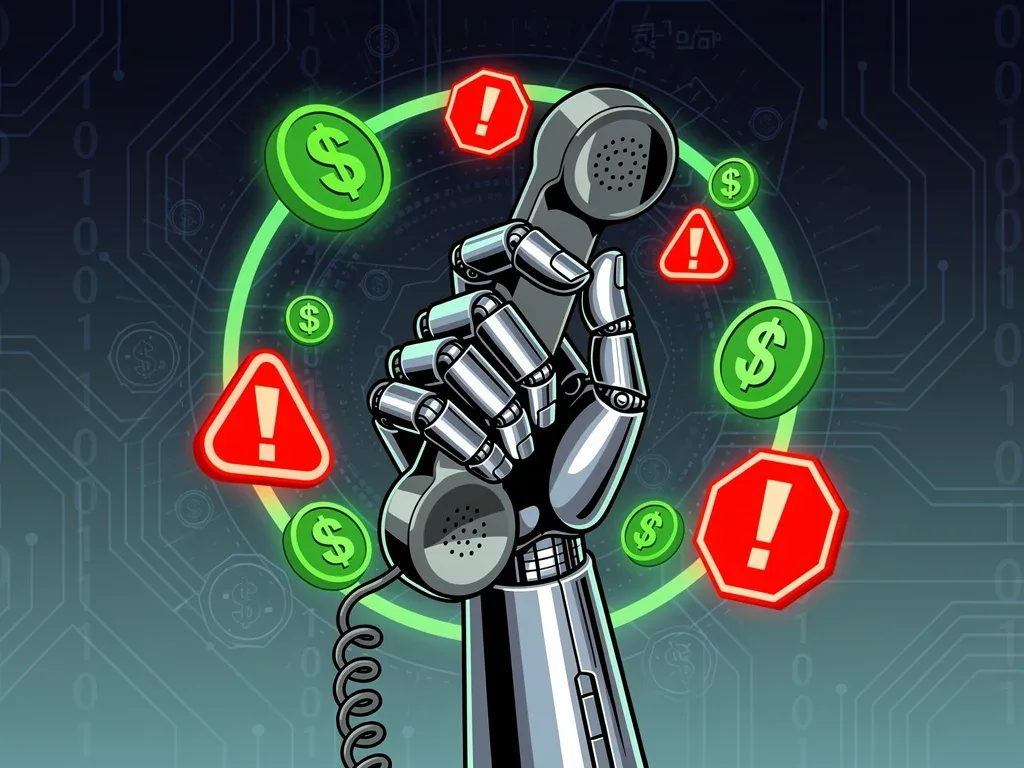
This synergy between regulatory action and technological innovation is essential for creating a robust defense against the increasing sophistication of AI-driven telemarketing fraud. The industry is adapting quickly to these new challenges.
Legal Precedents and Future Enforcement
The FCC's decision to implement immediate $10,000 fines per violation for deceptive AI-generated robocalls sets a significant legal precedent. It firmly establishes that the use of artificial intelligence in unlawful telemarketing practices will be met with severe financial penalties.
This action builds upon a history of FCC enforcement against illegal robocalls, but specifically addresses the new dimension introduced by AI. It clarifies that existing laws, such as the Telephone Consumer Protection Act (TCPA), apply to AI-generated content.
Future enforcement efforts will likely focus on large-scale operations and repeat offenders, sending a clear message that the FCC is serious about protecting consumers. The agency is prepared to leverage all available legal tools to prosecute violators.
Strengthening the Regulatory Framework
The FCC is continuously reviewing its policies to ensure they remain effective against emerging technologies and evolving scam tactics. This proactive approach ensures that regulations keep pace with technological advancements, particularly in AI.
Potential future amendments might include stricter guidelines on consent for automated calls, increased transparency requirements for AI use, or even broader definitions of what constitutes a deceptive practice. The regulatory landscape is dynamic and responsive to new threats.
- The FCC's action sets a precedent for penalizing AI misuse in telecommunications.
- Existing laws like the TCPA are affirmed to cover AI-generated robocalls.
- Future enforcement will prioritize large-scale and repeat offenders.
Collaboration with international partners is also becoming increasingly important, as robocall operations often originate from outside US borders. Sharing intelligence and coordinating enforcement actions can enhance the global fight against telemarketing fraud.
The FCC's robust stance on deceptive AI-generated robocalls signifies a long-term commitment to maintaining a fair and secure telecommunications environment. The agency is prepared for an ongoing battle against those who seek to exploit technology for illicit gain.
The Role of AI in Legitimate Communication
While the focus is on curbing deceptive practices, it is important to acknowledge the legitimate and beneficial uses of AI in automated communication. AI can enhance customer service, provide timely information, and streamline operations for many businesses.
Legitimate AI-powered calls often provide valuable services, such as appointment reminders, fraud alerts from banks, or emergency notifications. These calls are typically made with explicit consent and adhere to strict regulatory guidelines.
The distinction between legitimate and deceptive AI-generated robocalls lies in transparency, consent, and intent. Ethical AI use prioritizes user benefit and avoids misleading or fraudulent content, differentiating it from the targets of the FCC's new fines.
Ethical AI Use in Telecommunications
Companies utilizing AI in their communication strategies are encouraged to prioritize transparency, clearly identifying when a call involves an AI agent. Obtaining explicit consent from consumers before making automated calls is also a fundamental ethical principle.
Adherence to existing laws like the TCPA and the new FCC guidelines is paramount for businesses. Ensuring that AI-powered communications are not deceptive, harassing, or unsolicited is critical for maintaining consumer trust and avoiding penalties.
- Ethical AI use involves transparency, clearly identifying AI agents.
- Explicit consumer consent is vital for all automated communications.
- Compliance with TCPA and new FCC rules prevents deceptive practices.
The FCC's enforcement actions are not intended to stifle innovation but to ensure that AI development in telecommunications occurs responsibly. The aim is to foster an environment where technology serves consumers, rather than exploits them.

The future of telecommunications will undoubtedly involve more AI, and the FCC's role is to ensure that this integration happens in a way that protects the public. The immediate $10,000 fines per violation for deceptive AI-generated robocalls are a key part of this protective strategy.
What This Means for Telecommunications Providers
Telecommunications providers now face increased scrutiny and responsibility regarding the traffic they carry, especially concerning deceptive AI-generated robocalls. The FCC expects carriers to actively monitor and block illegal robocall campaigns originating from or passing through their networks.
The implementation of STIR/SHAKEN technology, which verifies caller ID information, becomes even more critical under these new regulations. Providers must ensure their systems are robust enough to detect and prevent fraudulent calls, including those utilizing AI.
Failure to comply or to take adequate measures against illegal robocalls could result in providers themselves facing penalties or being held accountable for facilitating deceptive practices. This places a greater burden on the industry to self-regulate and enforce compliance.
Enhanced Due Diligence Requirements
Carriers are now required to exercise enhanced due diligence to identify and mitigate illegal robocall traffic. This includes implementing advanced analytics to detect suspicious call patterns and working collaboratively with law enforcement agencies.
The FCC's aggressive stance means that providers can no longer claim ignorance regarding the nature of traffic on their networks. They are expected to have systems in place that can identify and block deceptive AI-generated robocalls effectively.
- Providers must actively monitor and block illegal robocall traffic, including AI-generated calls.
- Full implementation of STIR/SHAKEN is critical for verifying caller identities.
- Failure to comply could lead to penalties for telecommunications providers.
This shift emphasizes a shared responsibility across the telecommunications ecosystem to combat robocall fraud. From originating carriers to intermediate providers, every entity plays a role in preventing deceptive AI-generated robocalls from reaching consumers.
The long-term goal is to create a more secure and trustworthy calling environment for everyone. The FCC's immediate $10,000 fines per violation for deceptive AI-generated robocalls are a powerful incentive for providers to prioritize this objective.
| Key Point | Brief Description |
|---|---|
| New FCC Fines | Immediate $10,000 per violation for deceptive AI-generated robocalls. |
| Target Calls | AI-generated voices or content used to mislead or defraud consumers. |
| Consumer Role | Essential for reporting suspicious calls to aid FCC enforcement. |
| Industry Impact | Increased responsibility for carriers to detect and block illegal AI robocalls. |
Frequently Asked Questions About FCC Robocall Fines
What exactly is a deceptive AI-generated robocall?▼A deceptive AI-generated robocall uses artificial intelligence to create synthetic voices or misleading content in automated calls. These are often designed to impersonate individuals or entities to defraud consumers, making it harder to distinguish from legitimate calls.
How much is the fine for each violation?▼The FCC has implemented immediate fines of $10,000 per violation for deceptive AI-generated robocalls. This substantial penalty aims to deter bad actors and ensure accountability for each illicit call made, significantly increasing the financial risk for scammers.
How can consumers report these types of robocalls?▼Consumers can report deceptive AI-generated robocalls directly to the FCC via their website or dedicated complaint hotline. Providing details such as the date, time, and content of the call is crucial for aiding investigations and enabling effective enforcement actions against offenders.
Does this mean all AI-generated calls are illegal?▼No, not all AI-generated calls are illegal. The FCC's fines specifically target *deceptive* AI-generated robocalls, meaning those used to mislead or defraud consumers. Legitimate AI-powered calls, like appointment reminders or fraud alerts with consent, are generally permitted.
What impact will these fines have on telecommunications carriers?▼Telecommunications carriers face increased responsibility to monitor and block illegal AI-generated robocall traffic on their networks. They must enhance due diligence and implement technologies like STIR/SHAKEN to verify caller IDs, as failure to comply could result in penalties for the providers themselves.
Perspectives and Future Outlook
The FCC's decisive move to implement immediate $10,000 fines per violation for deceptive AI-generated robocalls marks a critical turning point in consumer protection. This action underscores a proactive regulatory approach to evolving technological threats, setting a strong precedent for future enforcement. What happens now is a period of heightened vigilance for both consumers and telecommunications providers, as the effectiveness of these new penalties will depend heavily on robust reporting and consistent application. The ongoing battle against AI-driven fraud will necessitate continuous adaptation from regulators and industry alike, ensuring that the benefits of AI in communication are realized without compromising public trust or security.