EPA Stricter Emissions Standards: What Industries Need to Know
Advertisements
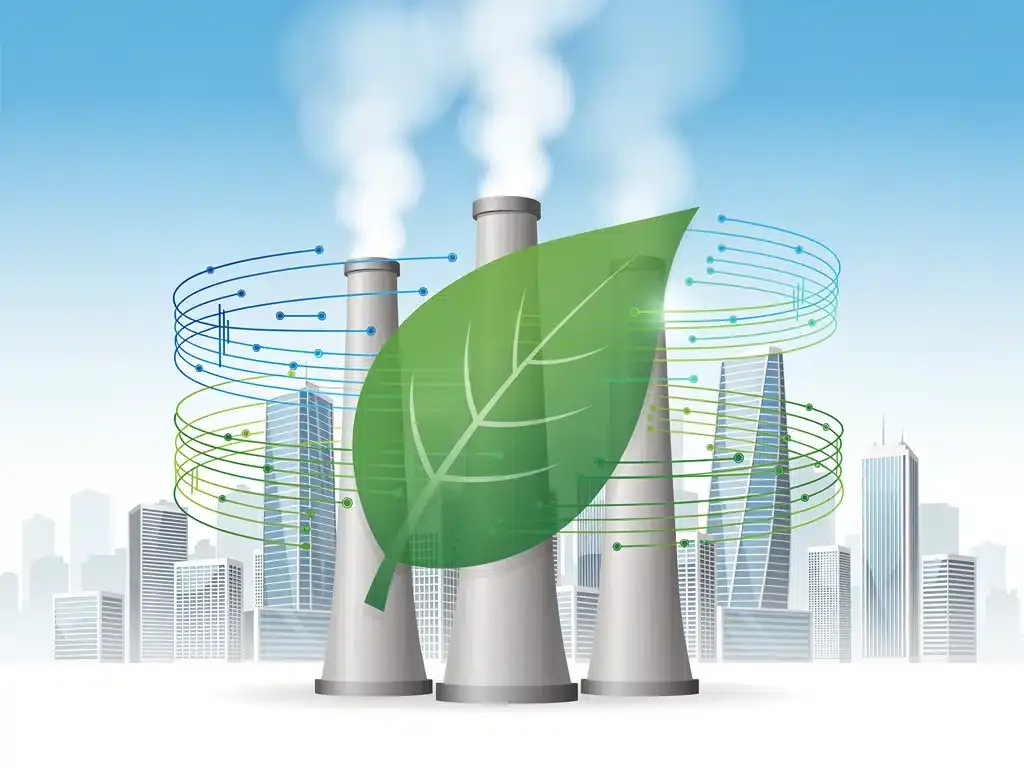
Latest developments on the Policy Update: EPA Announces Stricter Emissions Standards Effective January 2027, Affecting 45% of Industries, with key facts, verified sources and what readers need to monitor next in Estados Unidos, presented clearly in Inglês (Estados Unidos) (en-US).
The Policy Update: EPA Announces Stricter Emissions Standards Effective January 2027, Affecting 45% of Industries is shaping today’s agenda with new details released by officials and industry sources. This update prioritizes what changed, why it matters and what to watch next, in a straightforward news format.
EPA Unveils Sweeping New Emissions Regulations
The Environmental Protection Agency (EPA) has officially announced a significant overhaul of emissions standards, set to take effect in January 2027. This landmark policy update is projected to impact nearly half of all industrial sectors across the United States, signaling a pivotal shift in environmental compliance.
The new regulations aim to drastically reduce greenhouse gas emissions and other harmful pollutants, aligning with national climate goals and public health initiatives. Industries from manufacturing to energy production will face stricter requirements, necessitating substantial operational adjustments and technological upgrades.
Stakeholders across various sectors are now analyzing the comprehensive details of the EPA’s announcement, preparing for the impending changes. The agency emphasizes that these stricter emissions standards are critical for long-term environmental sustainability and economic resilience.
Understanding the Scope and Impact on Industries
The comprehensive nature of the new EPA stricter emissions standards means a broad range of industries will feel its effects. From heavy manufacturing and chemical processing to power generation and waste management, businesses must now evaluate their current practices against the forthcoming mandates.
Initial assessments indicate that approximately 45% of U.S. industries will be directly affected, requiring significant investment in new technologies and processes. This includes adopting cleaner production methods, improving energy efficiency, and implementing advanced pollution control systems to meet the more stringent limits.
The EPA’s objective is not merely punitive but aims to foster innovation and accelerate the transition to a more sustainable economy. The agency has outlined a phased approach to implementation, though the core requirements for the stricter emissions standards remain firm.
Key Sectors Facing Immediate Adjustments
Several key sectors are identified as being at the forefront of these regulatory changes. These industries, due to their inherent operational characteristics, will need to undertake more substantial transformations to comply with the EPA stricter emissions standards.
This includes sectors with high energy consumption and those that historically have had larger carbon footprints. Companies in these areas are already initiating internal reviews to map out their compliance pathways and mitigate potential disruptions.
- Energy Production: Coal-fired power plants and natural gas facilities
- Manufacturing: Steel, cement, and chemical production plants
- Transportation: Heavy-duty vehicle manufacturers and fleet operators
Timeline and Implementation Details of the New Policy
The January 2027 effective date for the EPA stricter emissions standards provides industries with a critical window for preparation. This three-year lead time is intended to allow businesses sufficient time to plan, invest, and implement the necessary changes without undue economic hardship.
The EPA has indicated that detailed guidance documents and technical assistance programs will be rolled out over the next year. These resources are designed to help affected industries understand the specific requirements and available compliance pathways for the stricter emissions standards.
Regular updates and stakeholder engagement sessions are also planned, ensuring a transparent process as the implementation date approaches. The agency is committed to supporting industries through this transition, emphasizing collaboration over confrontation.
Critical Milestones for Compliance
Businesses must track several critical milestones leading up to January 2027 to ensure timely compliance. These include understanding reporting requirements, identifying eligible technologies, and securing necessary financing for upgrades.
Early engagement with environmental consultants and technology providers is highly recommended. Proactive planning will be key to avoiding last-minute scrambling and potential penalties associated with non-compliance with the EPA stricter emissions standards.
- Q1 2025: Release of detailed technical guidance and industry-specific workshops
- Q3 2025: Availability of financial incentives and grant programs for emissions reduction
- Q1 2026: Mandatory reporting protocols and preliminary compliance assessments
Economic Implications and Investment Opportunities
The introduction of EPA stricter emissions standards will undoubtedly create significant economic shifts. While some industries may face increased operational costs in the short term, the long-term outlook points to substantial opportunities for innovation, efficiency, and market differentiation.
Investments in green technologies, renewable energy sources, and sustainable manufacturing processes are expected to surge. This will spur job creation in environmental engineering, clean technology development, and sustainable infrastructure projects, driven by the demand for compliance with the stricter emissions standards.
Furthermore, companies that embrace these changes early could gain a competitive advantage, attracting environmentally conscious consumers and investors. The policy update is designed to catalyze a broader economic transformation towards a low-carbon future, making EPA stricter emissions standards a catalyst for growth.

Financial Support and Incentives for Transition
Recognizing the financial burden some businesses may encounter, the EPA, in conjunction with other federal agencies, is exploring various financial support mechanisms. These could include tax credits, loan programs, and grants aimed at facilitating the adoption of cleaner technologies and meeting the EPA stricter emissions standards.
Small and medium-sized enterprises (SMEs) are of particular concern, and tailored programs are being developed to ensure they have the resources to adapt. The goal is to make the transition as equitable as possible, preventing disproportionate impacts on smaller businesses as they navigate the EPA stricter emissions standards.
Companies are encouraged to research and apply for these programs as they become available. Early applicants may benefit from more favorable terms and a wider selection of funding options, reinforcing the importance of proactive engagement with the new EPA stricter emissions standards.
Technological Advancements Driving Compliance
Compliance with the EPA stricter emissions standards will heavily rely on the rapid adoption and development of advanced technologies. Innovations in carbon capture, renewable energy integration, and industrial process optimization are central to achieving the new environmental targets.
Many companies are already investing in research and development to create bespoke solutions that not only meet but exceed the forthcoming regulations. This technological push is transforming industrial landscapes, making emissions reduction more efficient and cost-effective.
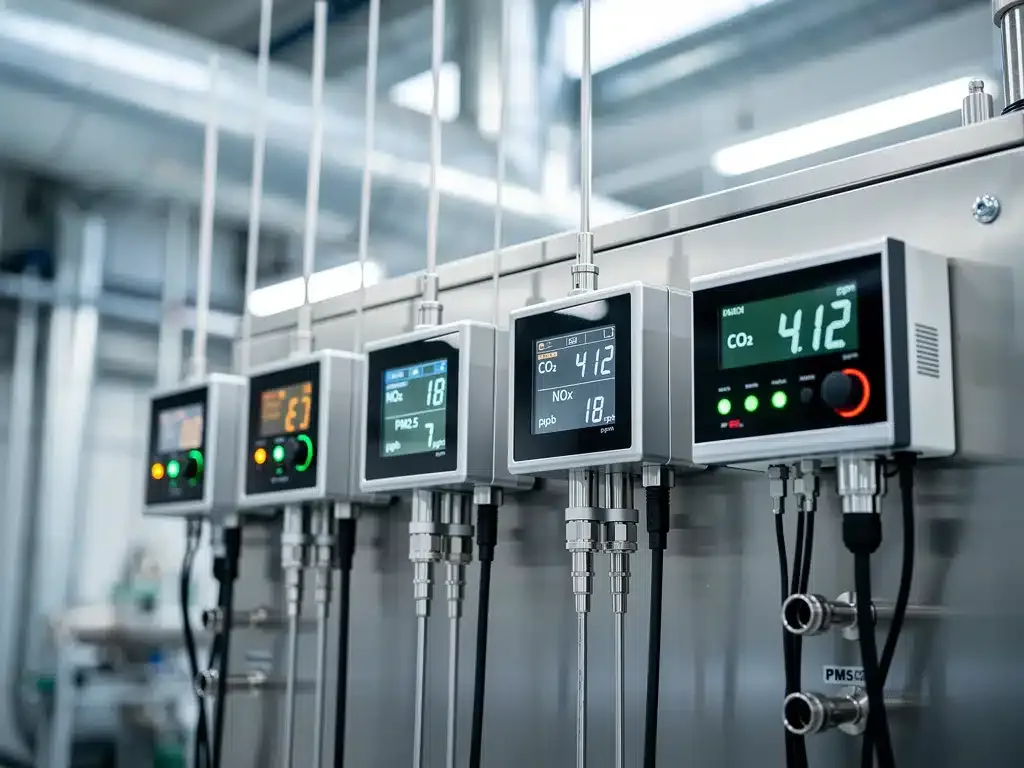
The demand for specialized equipment, such as advanced scrubbers, catalytic converters, and smart monitoring systems, is expected to grow significantly. This creates a fertile ground for tech companies and engineering firms specializing in environmental solutions, all driven by the EPA stricter emissions standards.
Emerging Technologies for Emissions Reduction
Several cutting-edge technologies are poised to play a crucial role in helping industries comply with the EPA stricter emissions standards. These innovations offer diverse approaches to reducing pollutants, from source reduction to end-of-pipe controls.
The focus is on solutions that are both effective and economically viable, allowing businesses to meet regulatory demands without compromising productivity. The EPA is actively reviewing and endorsing a range of these technologies to aid in widespread adoption.
- Direct Air Capture (DAC): Technologies that remove carbon dioxide directly from the atmosphere.
- Advanced Biofuels: Sustainable alternatives to fossil fuels for various industrial applications.
- Industrial Electrification: Shifting from fossil fuels to electricity for process heating and power.
Regional Disparities and Localized Impacts
While the EPA stricter emissions standards are a national mandate, their impact will not be uniformly distributed across all regions of the United States. Areas with a higher concentration of heavily polluting industries or older infrastructure may experience more profound effects and require greater investment.
Local economies heavily reliant on traditional manufacturing or resource extraction could face unique challenges in adapting to the new regulations. The EPA acknowledges these potential disparities and is working with state and local governments to provide targeted support and resources.
Community engagement and localized planning will be crucial to ensure a just transition, mitigating adverse socio-economic effects while achieving environmental goals. The implementation of EPA stricter emissions standards necessitates a nuanced approach to regional differences.
Addressing Specific State-Level Concerns
Individual states and municipalities often have their own environmental regulations that may interact with the federal EPA stricter emissions standards. This can lead to complex compliance landscapes, requiring businesses to navigate multiple layers of environmental law.
State environmental agencies are actively reviewing the federal mandate to determine how it integrates with existing local policies. This coordination is essential to provide clarity and avoid conflicting requirements for industries operating within their jurisdictions.
Public hearings and local workshops are being organized to gather feedback from affected communities and industries. These forums are vital for ensuring that the implementation of the EPA stricter emissions standards is both effective and responsive to local needs.
The Role of Public Health and Environmental Justice
A core driver behind the EPA stricter emissions standards is the protection of public health and the advancement of environmental justice. Reducing air and water pollutants will have direct benefits for communities, particularly those historically overburdened by industrial pollution.
Improved air quality is expected to lead to a decrease in respiratory illnesses, cardiovascular diseases, and other health issues linked to pollution exposure. This aspect of the policy underscores the broader societal benefits beyond mere regulatory compliance with the EPA stricter emissions standards.
The EPA is committed to ensuring that the benefits of these new standards are equitably distributed, prioritizing investments and enforcement in vulnerable communities. This focus on environmental justice is integral to the overall mission of the stricter emissions standards.
Community Engagement and Health Outcomes
Active community engagement will be a continuous effort as the EPA stricter emissions standards are implemented. This involves listening to the concerns of residents in affected areas and incorporating their feedback into compliance and mitigation strategies.
Monitoring health outcomes in these communities before and after the 2027 deadline will provide crucial data on the effectiveness of the new regulations. This scientific approach reinforces the health-centric goals of the EPA stricter emissions standards.
Partnerships with public health organizations and local advocacy groups are also being formed. These collaborations aim to amplify the positive health impacts and ensure that the policy update truly serves the well-being of all citizens.
Future Outlook and Long-Term Environmental Goals
The EPA stricter emissions standards are not an isolated policy but a foundational step towards achieving ambitious long-term environmental goals for the United States. This includes reaching net-zero emissions targets and enhancing national resilience against climate change impacts.
The agency anticipates that this policy update will catalyze further innovations and policy developments in the coming decades. It sets a new benchmark for industrial environmental performance, encouraging continuous improvement beyond the initial compliance phase.
Monitoring the efficacy of these new standards will be ongoing, with periodic reviews and potential adjustments based on scientific data and technological advancements. The journey towards a sustainable future is dynamic, and the EPA stricter emissions standards mark a significant milestone.
Global Context and International Cooperation
The implementation of EPA stricter emissions standards also positions the United States as a leader in global environmental stewardship. This move could inspire similar actions in other nations, fostering international cooperation on climate change mitigation.
Collaborations with international bodies and sharing best practices will be essential in addressing a challenge that transcends national borders. The domestic policy on stricter emissions standards has significant international ramifications, influencing global environmental dialogues.
American industries that successfully adapt to these new standards may find new opportunities in international markets, showcasing their commitment to sustainability. This global perspective underscores the far-reaching impact of the EPA stricter emissions standards.
| Key Point | Brief Description |
|---|---|
| Effective Date | January 2027 for new EPA stricter emissions standards |
| Industries Affected | Approximately 45% of U.S. industrial sectors |
| Key Changes | Stricter limits on greenhouse gases and other pollutants |
| Compliance Focus | Technology adoption, process optimization, and investment |
Frequently Asked Questions About EPA Emissions Standards
What does the new Policy Update: EPA Announces Stricter Emissions Standards Effective January 2027, Affecting 45% of Industries entail?▼The update involves new federal regulations setting significantly lower limits on industrial emissions of greenhouse gases and other pollutants. These stricter emissions standards aim to combat climate change and improve public health, requiring substantial changes across various sectors by January 2027.
Which industries are most impacted by these EPA stricter emissions standards?▼Industries with high energy consumption or large carbon footprints, such as power generation, heavy manufacturing (steel, cement, chemicals), and certain transportation sectors, are expected to be most affected. Approximately 45% of all U.S. industries will need to adapt to the new stricter emissions standards.
What is the timeline for compliance with the new policy?▼The new stricter emissions standards become effective in January 2027. This provides industries with a three-year window to plan, invest in new technologies, and implement operational changes to meet the updated regulatory requirements. Early preparation is highly recommended.
Are there any financial incentives for industries to comply with the EPA stricter emissions standards?▼The EPA and other federal agencies are developing various financial support mechanisms, including potential tax credits, loan programs, and grants. These incentives are designed to help businesses, especially SMEs, transition to cleaner technologies and meet the new stricter emissions standards.
How will these stricter emissions standards benefit public health and the environment?▼By reducing air and water pollutants, the stricter emissions standards are expected to significantly improve public health outcomes, lowering rates of respiratory and cardiovascular diseases. Environmentally, they will contribute to cleaner air and water, supporting broader climate change mitigation efforts and ecological preservation.
Looking Ahead: Navigating the New Regulatory Landscape
The Policy Update: EPA Announces Stricter Emissions Standards Effective January 2027, Affecting 45% of Industries represents a significant turning point for environmental policy and industrial operations in the United States. Businesses must not view this as a distant challenge but as an immediate call to action, initiating strategic planning and investment now.
The long-term implications extend beyond mere compliance, promising to reshape market dynamics, foster innovation, and drive economic growth in green sectors. Staying informed, leveraging available resources, and engaging proactively with the EPA and industry peers will be crucial for successful adaptation to these stricter emissions standards.
The coming years will be defined by how effectively industries embrace these changes, transforming regulatory mandates into opportunities for sustainable growth and a healthier future for all. The new EPA stricter emissions standards are a clear signal of the nation’s commitment to environmental progress.