Boosting STEM Enrollment: 8 Strategies for U.S. Universities in 2026

U.S. universities are aggressively pursuing new strategies for Boosting STEM Enrollment in 2026, focusing on innovation and accessibility. This report details eight key approaches being implemented to attract and retain students in critical science, technology, engineering, and mathematics fields. These initiatives aim to address both current workforce demands and future technological advancements.
Boosting STEM Enrollment: 8 Successful Strategies Adopted by U.S. Universities in 2026 is shaping today’s agenda with new details released by officials and industry sources. The imperative to cultivate a robust STEM workforce is more critical than ever, with economic growth and national competitiveness directly tied to advancements in these fields. This update prioritizes what changed, why it matters, and what to watch next, in a straightforward news format.
Universities nationwide are recognizing the evolving landscape of higher education and the increasing demand for STEM professionals. They are actively innovating their recruitment and retention methodologies to ensure a steady pipeline of talent. These strategies are not merely incremental changes but represent a significant shift in pedagogical and outreach approaches.
The focus extends beyond simply attracting students; it encompasses creating supportive environments that foster success and long-term engagement in STEM disciplines. This holistic approach is crucial for addressing historical disparities and ensuring a diverse and inclusive future workforce. The eight strategies outlined below reflect a proactive stance by U.S. institutions.
Early Outreach and K-12 Partnerships
Universities are significantly intensifying their efforts in early outreach, recognizing that interest in STEM often begins long before college applications. These programs aim to demystify STEM fields and showcase their exciting applications to younger students. By engaging with K-12 schools, institutions are building foundational interest and preparing future cohorts.
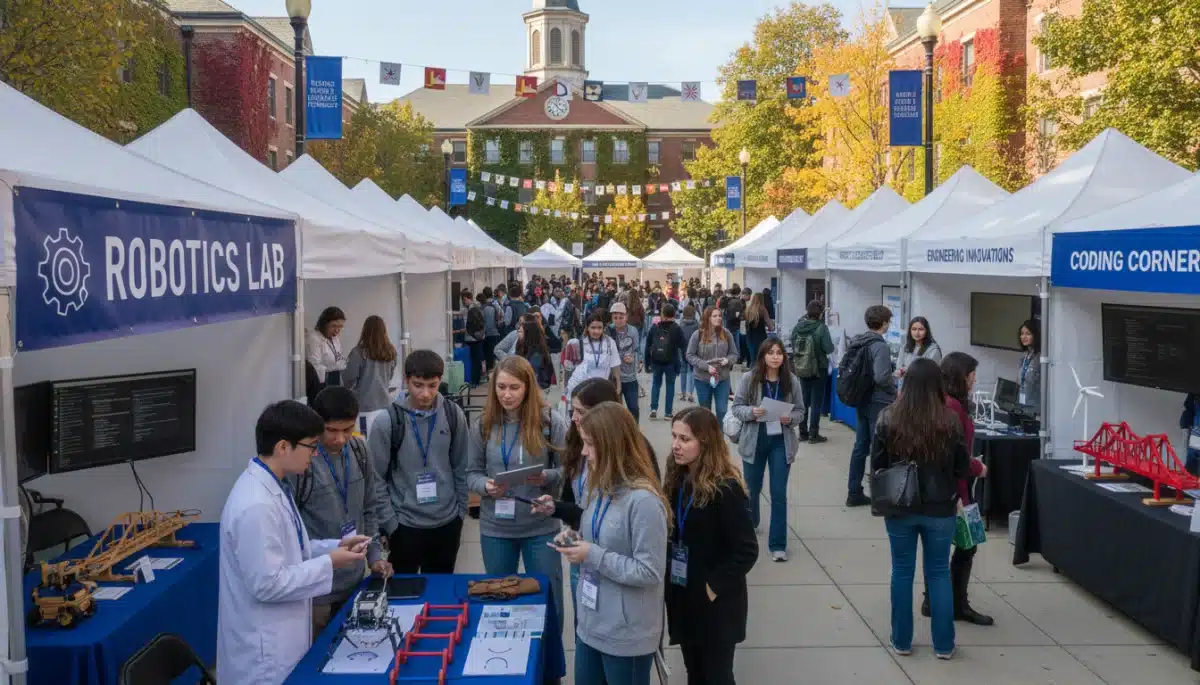
These partnerships often involve faculty-led workshops, interactive science fairs, and mentorship programs that connect university students with younger learners. The goal is to create a continuous pipeline, ensuring that students from diverse backgrounds are exposed to STEM concepts and career possibilities early on. This proactive approach is vital for Boosting STEM Enrollment effectively.
The success of these initiatives hinges on sustained collaboration and tailored content that resonates with different age groups. Providing hands-on experiences and relatable role models helps to break down stereotypes and build confidence in pursuing challenging subjects. This early engagement is a cornerstone for future growth in STEM enrollment.
Interactive STEM Camps and Workshops
- Implementing summer camps focusing on robotics, coding, and engineering for middle and high school students.
- Hosting weekend workshops that introduce complex scientific principles through fun, experimental activities.
- Developing online resources and virtual labs accessible to K-12 students across different geographical areas.
Teacher Training and Curriculum Support
Universities are also supporting K-12 educators through professional development opportunities, equipping them with the latest pedagogical tools and content knowledge in STEM. This ensures that the curriculum taught in schools is current and engaging, directly impacting students’ preparedness and enthusiasm for STEM subjects. Such support strengthens the entire educational ecosystem.
Providing resources for hands-on learning and project-based instruction helps teachers to make STEM more accessible and exciting. This fosters a learning environment where students feel encouraged to explore and experiment. Ultimately, well-prepared K-12 teachers are instrumental in Boosting STEM Enrollment at the university level.
Curriculum Innovation and Interdisciplinary Programs
Modernizing curricula to reflect current industry demands and future technological trends is another critical strategy. Universities are moving beyond traditional disciplinary silos to offer more interdisciplinary programs. These programs allow students to combine interests, such as biology with computer science or engineering with design, making STEM more appealing and relevant.
The integration of emerging technologies like artificial intelligence, data science, and quantum computing into various STEM fields is paramount. This ensures graduates are equipped with skills directly applicable to the evolving job market. Such forward-thinking curriculum design is essential for Boosting STEM Enrollment and student success.
By offering flexible pathways and a broader range of specializations, institutions cater to a wider array of student interests and learning styles. This adaptability enhances the overall attractiveness of STEM education. These innovations are key to maintaining relevance and driving interest in STEM fields.
Integrating Emerging Technologies
- Developing new majors and minors in areas like AI ethics, bioinformatics, and sustainable engineering.
- Incorporating project-based learning that uses cutting-edge tools and software prevalent in industry.
- Offering modules on data visualization, machine learning, and cybersecurity across multiple STEM departments.
Flexible Learning Pathways
Creating more flexible pathways, including accelerated programs, dual degrees, and online/hybrid options, helps accommodate diverse student needs and preferences. This flexibility removes barriers to entry and allows students to tailor their educational journey to their personal and professional goals. It also makes higher education more accessible to non-traditional students.
Providing options for students to transition between different STEM disciplines without significant loss of credits encourages exploration and reduces the pressure of choosing a single path early on. This student-centric approach is vital for retaining students and Boosting STEM Enrollment across various fields. Such flexibility promotes greater student satisfaction and academic persistence.
Enhanced Scholarship and Financial Aid Opportunities
Financial barriers often deter promising students from pursuing STEM degrees, particularly those from underrepresented backgrounds. Universities are actively expanding scholarship and financial aid opportunities specifically for STEM students. This includes merit-based scholarships, need-based grants, and partnerships with industry to fund student education.
These financial incentives are crucial for attracting top talent and ensuring that economic status does not limit access to quality STEM education. By alleviating the financial burden, institutions enable students to focus on their studies and research. This direct support is a powerful tool for Boosting STEM Enrollment.
Transparency and clear communication about available aid are also key components of this strategy. Simplifying the application process and providing dedicated financial aid counseling helps students navigate the complexities of funding their education. This comprehensive approach ensures that financial aid truly serves its purpose.
Targeted STEM Scholarships
- Launching new scholarship funds specifically for women and minority students entering STEM fields.
- Creating endowed scholarships funded by alumni and corporate partners dedicated to STEM excellence.
- Offering research grants and stipends to undergraduate students engaged in faculty-led STEM projects.
Work-Study and Internship Funding
Supporting students through paid work-study programs and funded internships within STEM sectors provides valuable experience while also easing financial strain. These opportunities not only contribute to students’ financial well-being but also enhance their practical skills and career readiness. This dual benefit is highly attractive to prospective students.
Collaborating with local businesses and national corporations to create paid internship pipelines ensures that students gain relevant industry experience. This bridge between academia and the professional world is essential for career development. Such initiatives play a significant role in Boosting STEM Enrollment by demonstrating clear career paths.
Promoting Diversity, Equity, and Inclusion (DEI)
Addressing historical underrepresentation in STEM is a core focus for universities. Comprehensive Diversity, Equity, and Inclusion (DEI) initiatives are being implemented to create welcoming and supportive environments for all students. These programs aim to dismantle systemic barriers and foster a sense of belonging for women, minorities, and other marginalized groups.
Mentorship programs, affinity groups, and culturally sensitive advising are integral to these DEI efforts. By providing strong support networks, institutions help students navigate academic challenges and overcome feelings of isolation. This commitment to inclusivity is vital for Boosting STEM Enrollment and retaining diverse talent.
Regular assessments of campus climate and curriculum content ensure that DEI principles are consistently upheld and improved upon. Creating an equitable learning environment not only benefits underrepresented students but enriches the entire academic community. This holistic approach is key to long-term success in STEM diversity.
Mentorship and Peer Support Programs
- Establishing formal mentorship programs connecting underrepresented STEM students with faculty and industry professionals.
- Funding student-led affinity groups that provide peer support and community for diverse STEM populations.
- Implementing peer tutoring and study groups specifically designed to support students in challenging STEM courses.
Culturally Responsive Pedagogy
Adopting culturally responsive teaching methods ensures that curriculum and instruction are relevant and engaging for students from all backgrounds. This involves incorporating diverse perspectives, examples, and problem-solving approaches into STEM courses. It helps students see themselves reflected in the material and feel more connected to their studies.
Faculty training on implicit bias and inclusive teaching practices is essential for creating an equitable classroom environment. By fostering a culture of respect and understanding, universities can significantly improve student engagement and academic performance. This pedagogical shift is crucial for Boosting STEM Enrollment among diverse groups.
Experiential Learning and Research Opportunities
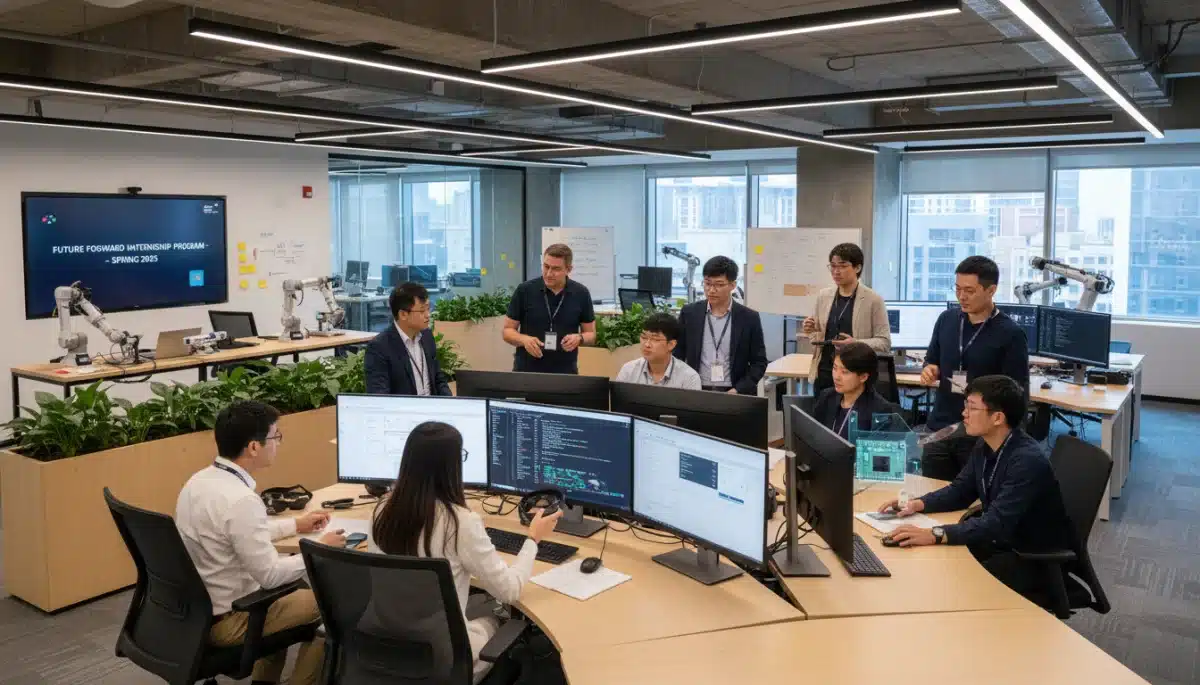
Providing extensive hands-on learning and research opportunities is a powerful motivator for students considering STEM careers. Universities are increasing access to undergraduate research, co-ops, and internships. These experiences allow students to apply theoretical knowledge to real-world problems, fostering deep understanding and practical skills.
Engaging in research with faculty mentors not only enhances students’ academic profiles but also helps them discover their passions and refine their career goals. These experiences are invaluable for personal and professional development. They significantly contribute to Boosting STEM Enrollment by showcasing the dynamic nature of these fields.
Universities are also investing in state-of-the-art laboratories and research facilities, ensuring students have access to cutting-edge equipment and technologies. This commitment to resources attracts ambitious students eager to contribute to scientific discovery. Such investments underscore the value placed on experiential learning.
Undergraduate Research Initiatives
- Funding summer research programs that provide stipends for students to work on faculty research projects.
- Creating dedicated research labs where undergraduates can pursue independent projects with faculty supervision.
- Presenting opportunities for students to co-author papers and present at national and international conferences.
Industry Co-ops and Internships
Developing robust partnerships with industry leaders to offer structured co-op programs and internships provides students with invaluable professional experience. These programs often lead to employment opportunities post-graduation, making STEM degrees highly attractive. Such real-world exposure is a significant draw for prospective students.
Facilitating strong connections between students and employers helps bridge the gap between academia and the workforce. This ensures that graduates are not only academically prepared but also possess the practical skills and network needed for successful careers. These industry links are instrumental in Boosting STEM Enrollment and career outcomes.
Strong Career Services and Alumni Networks
Highlighting clear career pathways and providing robust career support services are essential for attracting and retaining STEM students. Universities are enhancing their career centers with specialized advisors focusing on STEM fields. These services include resume building, interview preparation, and job placement assistance.
Leveraging strong alumni networks allows current students to connect with successful professionals in various STEM industries. These connections provide mentorship, internship opportunities, and valuable career insights. A powerful alumni network is a testament to the value of a university’s STEM programs.
Showcasing the high employability rates and diverse career options available to STEM graduates is a key marketing tool. This tangible return on investment reassures prospective students and their families about the value of a STEM degree. Effective career services are crucial for Boosting STEM Enrollment by demonstrating future success.
Dedicated STEM Career Advisors
- Employing career counselors with specific industry knowledge in engineering, computer science, and life sciences.
- Hosting regular career fairs and recruitment events exclusively for STEM students with leading companies.
- Providing workshops on navigating the STEM job market, salary negotiation, and professional development.
Alumni Mentorship and Networking Events
Creating formal mentorship programs that pair current STEM students with alumni working in their desired fields offers invaluable guidance and networking opportunities. These connections can open doors to internships and job placements. Alumni engagement is a powerful endorsement of the university’s STEM programs.
Organizing networking events and alumni panels allows students to hear firsthand about career trajectories and industry trends. These interactions build a strong professional community and inspire students to pursue their STEM aspirations. Such robust networks are vital for Boosting STEM Enrollment through proven success stories.
Modern Marketing and Recruitment Strategies
To effectively reach today’s diverse student population, universities are adopting modern and data-driven marketing and recruitment strategies. This includes targeted digital campaigns, social media engagement, and personalized communication. The aim is to present STEM education in an engaging and relevant way to a broader audience.
Utilizing analytics to identify prospective student demographics and tailor messaging accordingly ensures that outreach efforts are efficient and impactful. Showcasing student success stories, innovative research, and vibrant campus life helps to create an attractive narrative around STEM. This strategic communication is central to Boosting STEM Enrollment.
Virtual tours, online information sessions, and interactive digital content are becoming standard tools for engaging prospective students globally. These digital platforms provide accessibility and allow institutions to reach a wider audience than traditional methods. A strong digital presence is indispensable in today’s recruitment landscape.
Targeted Digital Campaigns
- Developing social media campaigns featuring current STEM students and faculty engaging in exciting projects.
- Utilizing targeted online advertising on platforms popular with high school and college-bound students.
- Creating engaging video content that highlights cutting-edge research and innovative learning environments in STEM.
Personalized Recruitment Efforts
Implementing personalized communication strategies, such as tailored email campaigns and one-on-one virtual meetings with admissions counselors, makes prospective students feel valued. Addressing individual interests and concerns helps build stronger connections and encourages applications. This individualized approach is highly effective.
Hosting virtual open houses and Q&A sessions with current STEM students and faculty allows prospective applicants to gain authentic insights into university life and academic programs. These direct interactions can significantly influence enrollment decisions. Personalized engagement is crucial for Boosting STEM Enrollment in a competitive environment.
Fostering a Culture of Innovation and Entrepreneurship
Beyond traditional academic tracks, universities are actively fostering a culture of innovation and entrepreneurship within their STEM programs. This involves establishing incubators, accelerators, and innovation labs where students can develop and launch their own ventures. This entrepreneurial spirit attracts students interested in creating impact and driving change.
Integrating entrepreneurial thinking into STEM curricula, through courses on intellectual property, business planning, and startup development, prepares students for diverse career paths. This equips them with skills not just for employment but for creating their own opportunities. Such initiatives are key for Boosting STEM Enrollment among ambitious students.
Connecting students with mentors from the startup ecosystem and providing access to seed funding further supports their entrepreneurial ambitions. This practical support helps transform innovative ideas into viable businesses. A strong entrepreneurial ecosystem enhances the overall appeal of STEM education.
University Incubators and Accelerators
- Establishing dedicated spaces and programs for STEM students to develop startup ideas and prototypes.
- Providing mentorship from experienced entrepreneurs and access to legal and business development resources.
- Hosting pitch competitions and investor showcases to help student ventures secure initial funding and exposure.
Entrepreneurial STEM Curriculum
Developing interdisciplinary courses that blend STEM knowledge with business acumen, design thinking, and product development skills prepares students for innovation roles. This holistic education is highly valued in today’s dynamic economy. It encourages students to think creatively and solve real-world problems.
Offering workshops and seminars on intellectual property, patenting, and commercialization helps students understand the pathways to bringing their innovations to market. This practical knowledge empowers them to pursue entrepreneurial careers. Such a focus on entrepreneurship is instrumental in Boosting STEM Enrollment by highlighting future impact.
| Key Strategy | Brief Description |
|---|---|
| Early K-12 Outreach | Engaging younger students through camps and workshops to build foundational STEM interest. |
| Curriculum Innovation | Modernizing programs with interdisciplinary studies and emerging technologies. |
| Financial Aid Expansion | Increasing scholarships and grants to reduce financial barriers for STEM students. |
| Experiential Learning | Providing extensive research, co-ops, and internships for practical skill development. |
Frequently Asked Questions About Boosting STEM Enrollment
Boosting STEM Enrollment is crucial because a robust STEM workforce is essential for national competitiveness, economic growth, and addressing global challenges like climate change and public health. The demand for skilled professionals in technology and science continues to outpace supply, making current recruitment efforts vital for future innovation and stability.
K-12 partnerships are instrumental in building a foundational interest in STEM from an early age. By exposing younger students to engaging STEM activities and role models, universities can cultivate a sustained pipeline of talent, ensuring a more diverse and prepared applicant pool for their undergraduate programs. This long-term strategy is key to Boosting STEM Enrollment.
Diversity, Equity, and Inclusion (DEI) initiatives are paramount for Boosting STEM Enrollment by creating supportive environments that attract and retain students from all backgrounds. Addressing historical underrepresentation enriches the learning experience, fosters varied perspectives, and ensures the STEM workforce reflects the broader society it serves, leading to more innovative solutions.
Yes, enhanced scholarships and financial aid opportunities are highly effective. They alleviate the significant financial burden of higher education, making STEM degrees accessible to a wider range of students, especially those from underserved communities. This enables promising students to pursue their academic goals without economic constraints, directly impacting enrollment numbers.
Industry partnerships offer invaluable benefits by providing students with real-world experiential learning through internships, co-ops, and collaborative projects. These opportunities allow students to apply classroom knowledge, develop practical skills, and build professional networks. This direct link to career pathways significantly enhances the attractiveness of STEM fields, aiding in Boosting STEM Enrollment and successful job placement.
Looking Ahead
The strategies highlighted for Boosting STEM Enrollment in U.S. universities by 2026 represent a multifaceted and proactive response to an evolving global landscape. These initiatives, ranging from early childhood engagement to fostering entrepreneurial ecosystems, underscore a critical understanding of what it takes to cultivate a robust and diverse STEM workforce. The success of these efforts will not only shape the future of countless individuals but also profoundly impact national innovation and economic competitiveness. It is clear that sustained investment and continuous adaptation will be necessary to meet the increasing demand for STEM talent.