Expert Tips for 2026 Curriculum Development: Future Skills Integration
Advertisements
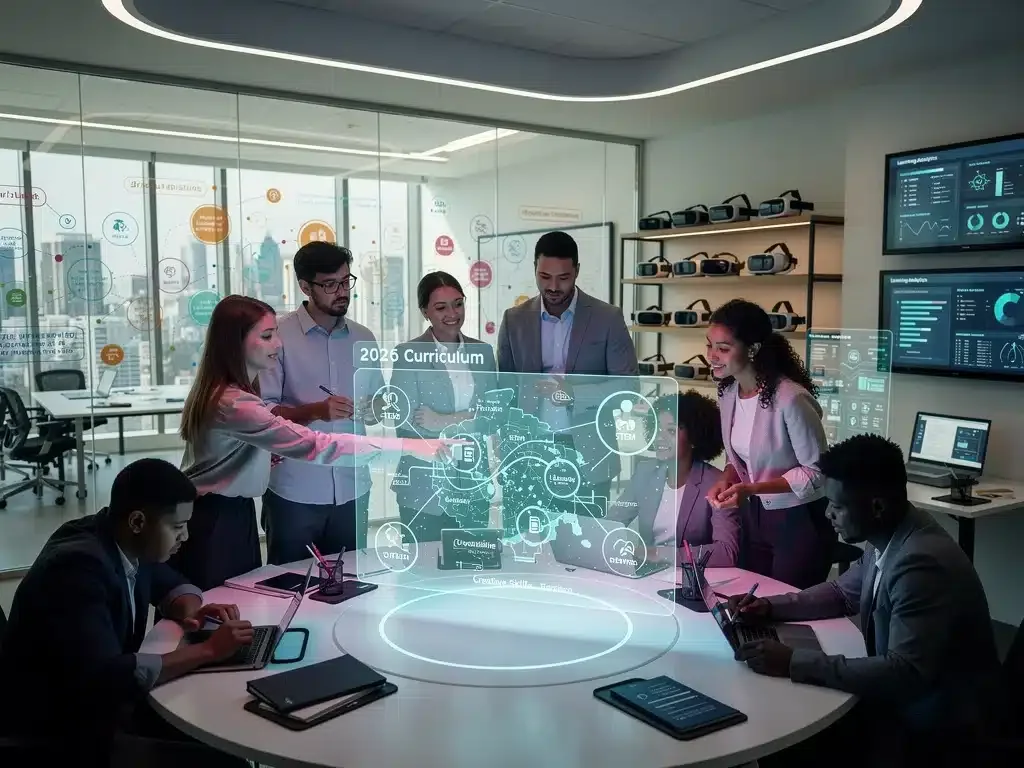
This report provides expert tips for 2026 Curriculum Development, detailing actionable strategies to integrate future-ready skills like critical thinking and digital fluency into every subject area.
The Imperative for Future-Ready Curriculum Design
The global economy is rapidly evolving, driven by technological advancements and shifting societal needs, which directly impacts the skills students will require for future employment and civic engagement.
Traditional curricula often fall short in preparing learners for these dynamic environments, necessitating a proactive overhaul of educational content and methodologies.
This pressing need underscores why 2026 Curriculum Development must move beyond incremental changes, embracing a holistic approach that integrates critical future-ready skills across all disciplines.
Educators are now tasked with not just imparting knowledge, but also cultivating the competencies that enable students to adapt, innovate, and thrive in unforeseen circumstances.
Recognizing this, educational leaders and policymakers are increasingly prioritizing strategies that embed skills like complex problem-solving, digital literacy, and cross-cultural communication into the core of learning experiences.
This foundational shift is essential for creating robust educational systems that genuinely serve the needs of tomorrow’s workforce and global citizens.
Defining Future-Ready Skills for the Modern Learner
Future-ready skills encompass a broad spectrum of competencies that extend beyond traditional academic knowledge, focusing on attributes that foster lifelong learning and resilience.
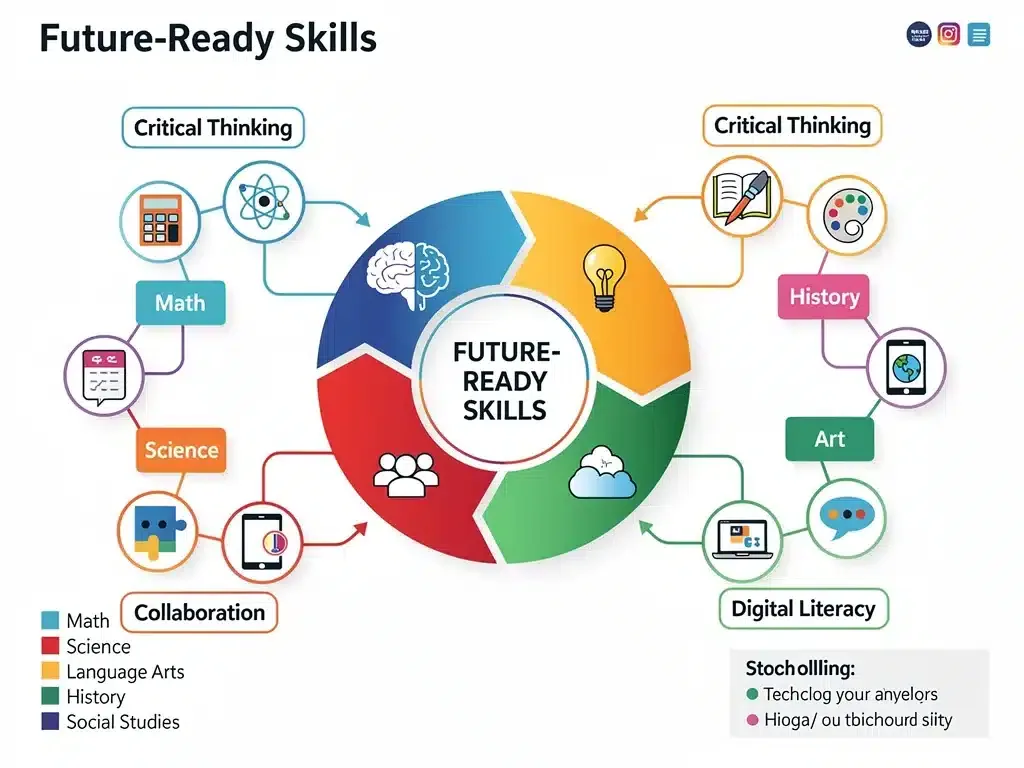
These include critical thinking, creativity, collaboration, communication, digital literacy, and adaptability, all vital for navigating an unpredictable future.
Identifying these core skills is the first step in effective 2026 Curriculum Development, as they provide a framework for designing learning objectives and activities.
Educators must understand how each skill can be nurtured within their specific subject areas, moving away from isolated skill development towards integrated learning experiences.
The emphasis is not merely on teaching students how to use technology, but how to think critically about information, collaborate effectively in diverse teams, and communicate complex ideas clearly.
These overarching capabilities are what truly define a future-ready individual, capable of contributing meaningfully to society and the economy.
Integrating Digital Literacy Across All Subjects
Digital literacy is no longer a standalone subject but a foundational skill that must be woven into the fabric of every discipline.
From conducting research in history to analyzing data in science or creating presentations in language arts, technology serves as an indispensable tool for learning and expression.
For successful 2026 Curriculum Development, educators should explore how digital tools can enhance learning outcomes and prepare students for a digitally-driven world.
This includes teaching responsible online behavior, data privacy, and critical evaluation of digital information, making students not just consumers, but creators and ethical participants in the digital sphere.
- Utilizing online research databases for history projects.
- Employing data visualization tools in mathematics and science.
- Creating multimedia presentations for literature analysis.
- Developing coding skills through problem-solving exercises.
Fostering Critical Thinking and Problem-Solving
Developing critical thinking and problem-solving abilities is paramount, equipping students to analyze complex situations, identify root causes, and devise innovative solutions.
These skills are not innate but cultivated through deliberate instructional design and challenging learning experiences.
Effective 2026 Curriculum Development integrates inquiry-based learning, case studies, and real-world challenges that compel students to think deeply and apply their knowledge creatively.
This approach transforms students from passive recipients of information into active investigators and solution-finders.
- Engaging in Socratic seminars to debate complex ethical dilemmas.
- Solving authentic, interdisciplinary problems requiring multiple perspectives.
- Analyzing current events to understand underlying causes and potential solutions.
- Designing experiments to test hypotheses and interpret results.
Strategies for Seamless Skill Integration
Achieving seamless skill integration requires a systemic approach that involves curriculum mapping, professional development for educators, and a flexible assessment framework.
It is not enough to simply list skills; they must be intentionally embedded into daily lessons and activities across all grade levels.
This integration demands that educators rethink their instructional methods, moving towards project-based learning, interdisciplinary units, and experiential opportunities.
These strategies allow students to apply multiple skills simultaneously, mimicking real-world scenarios and fostering deeper understanding, a key aspect of effective 2026 Curriculum Development.
Furthermore, collaboration among teachers from different departments is crucial for identifying natural connections between subjects and designing cohesive learning pathways.
This cross-curricular approach ensures that future-ready skills are reinforced consistently, promoting a more integrated and meaningful educational experience for students.
Project-Based Learning as a Core Methodology
Project-based learning (PBL) stands out as an exceptionally effective methodology for integrating future-ready skills, as it requires students to engage in sustained inquiry and create tangible products or solutions.
This approach naturally cultivates collaboration, critical thinking, creativity, and communication.
In the context of 2026 Curriculum Development, PBL allows students to tackle complex, authentic problems, often spanning multiple subject areas.
For instance, a project on sustainable urban planning could integrate science, math, social studies, and even language arts, demanding diverse skill application.
By working on real-world challenges, students develop a deeper understanding of how different disciplines interconnect and how their learning can be applied to practical situations.
This not only enhances skill development but also increases student engagement and motivation.
Professional Development for Educators
The successful implementation of future-ready curricula hinges significantly on equipping educators with the necessary skills and confidence to teach in innovative ways.
Comprehensive professional development is therefore a non-negotiable component of effective 2026 Curriculum Development.
Training programs should focus not only on new content but also on pedagogical shifts, such as facilitating project-based learning, integrating technology effectively, and assessing complex skills.
This empowers teachers to become facilitators of learning rather than mere disseminators of information.
Ongoing support, peer collaboration, and access to resources are vital to ensure that educators can continuously refine their practices and adapt to new educational trends.
Investing in teachers’ growth directly translates into improved student outcomes and a more dynamic learning environment.
Assessment and Evaluation in a Future-Ready Framework
Traditional assessment methods, often focused on rote recall, are inadequate for evaluating the complex, future-ready skills essential for student success.
A shift towards authentic, performance-based assessments is crucial to accurately measure these competencies.
For 2026 Curriculum Development, this means designing assessments that require students to demonstrate their abilities in real-world contexts, through projects, presentations, portfolios, and collaborative tasks.
Such evaluations provide a more comprehensive picture of what students can actually do, rather than just what they know.
Furthermore, incorporating self-assessment and peer feedback mechanisms empowers students to take ownership of their learning and develop metacognitive skills.
This reflective practice is vital for continuous improvement and fostering a growth mindset among learners.
Performance-Based Assessments
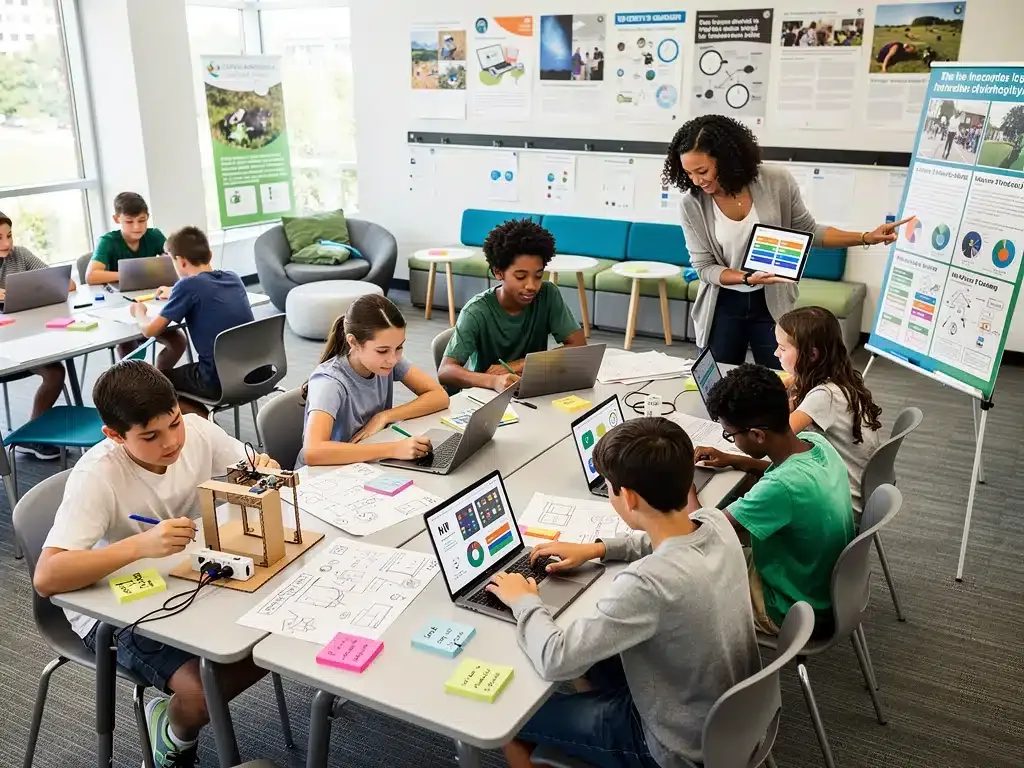
Performance-based assessments offer a rich opportunity to evaluate how students apply future-ready skills in practical scenarios.
These assessments move beyond multiple-choice questions, requiring students to create, analyze, and solve problems.
In the context of 2026 Curriculum Development, examples include designing a marketing campaign, conducting a scientific experiment, or debating a historical event from multiple perspectives.
Such tasks reveal not only knowledge but also critical thinking, creativity, and communication skills.
Rubrics become essential tools for providing clear criteria and feedback on these complex performances, guiding students towards mastery.
This approach ensures that assessment is aligned with the instructional goals of fostering future-ready competencies.
Formative Feedback and Reflection
Effective assessment in a future-ready curriculum emphasizes continuous formative feedback rather than solely summative grading.
This ongoing feedback loop helps students understand their strengths and areas for improvement, fostering a culture of growth.
For successful 2026 Curriculum Development, integrating opportunities for students to reflect on their learning processes, identify challenges, and strategize for improvement is crucial.
This metacognitive practice is a core component of lifelong learning and adaptability.
Teachers can use various strategies, such as conferring with students, providing written feedback on drafts, and encouraging peer review, to facilitate this reflective process.
The goal is to make learning an iterative journey of discovery and refinement.
Leveraging Technology for Enhanced Learning Experiences
Technology serves as a powerful enabler for future-ready education, offering tools and platforms that can transform learning experiences.
From personalized learning paths to virtual reality simulations, technology can make education more engaging, accessible, and relevant.
In the realm of 2026 Curriculum Development, integrating educational technology strategically means selecting tools that enhance skill development, not just replace traditional methods.
This involves using platforms that foster collaboration, critical thinking, and creative expression, preparing students for a technologically advanced world.
Furthermore, technology allows for greater customization of learning, catering to diverse student needs and learning styles.
It provides opportunities for students to explore topics in depth, access a wealth of information, and connect with experts and peers globally.
Personalized Learning Pathways
Personalized learning, facilitated by technology, tailors educational content and pace to individual student needs and preferences.
This approach ensures that each student receives instruction best suited to their learning style and progress, optimizing skill development.
As part of 2026 Curriculum Development, personalized learning platforms can identify learning gaps and provide targeted interventions, while also allowing advanced students to delve deeper into subjects of interest.
This fosters a sense of agency and ownership over their education.
By adapting to individual strengths and weaknesses, personalized learning helps to cultivate self-directed learners who are adept at managing their own educational journey, a critical future-ready skill.
Virtual and Augmented Reality in Education
Virtual Reality (VR) and Augmented Reality (AR) offer immersive learning experiences that can bring abstract concepts to life and provide hands-on practice in safe environments.
These technologies are poised to revolutionize how students interact with complex subjects.
For 2026 Curriculum Development, imagine students exploring ancient civilizations through VR, dissecting virtual organs in biology, or designing architectural structures in AR.
These experiences provide unparalleled engagement and deepen understanding, making learning memorable and effective.
The integration of VR and AR also fosters critical thinking and problem-solving as students navigate virtual environments and solve challenges within simulated contexts, preparing them for real-world applications of their knowledge.
Collaboration with Industry and Community
Forging strong partnerships with industry and community organizations is vital for ensuring that educational offerings remain relevant and aligned with real-world demands.
These collaborations provide students with authentic learning experiences and expose them to various career paths.
In the context of 2026 Curriculum Development, inviting guest speakers from local businesses, organizing internships, or engaging students in community service projects can bridge the gap between classroom learning and practical application.
These interactions provide invaluable insights and mentorship.
Such partnerships also inform curriculum design, helping educators understand the specific skills and knowledge that employers value.
This ensures that the curriculum is responsive to the evolving needs of the job market and prepares students for successful transitions into their chosen careers.
Mentorship Programs and Internships
Mentorship programs and internships offer students direct exposure to professional environments, allowing them to apply classroom learning to real-world challenges.
These experiences are invaluable for skill development and career exploration.
As part of 2026 Curriculum Development, schools should actively seek out opportunities for students to connect with professionals in various fields.
Mentors can provide guidance, share industry insights, and help students develop a clearer understanding of potential career paths.
Internships, even short-term ones, provide hands-on experience, fostering skills like teamwork, problem-solving, and professional communication.
These practical applications reinforce academic learning and build crucial networks for future success.
Ethical Considerations and Global Citizenship
Beyond technical and cognitive skills, 2026 Curriculum Development must also prioritize the development of ethical understanding and a sense of global citizenship.
Students need to be equipped to navigate complex ethical dilemmas and contribute positively to an interconnected world.
This involves integrating discussions on digital ethics, environmental sustainability, social justice, and cultural diversity across the curriculum.
Education must foster empathy, respect, and a commitment to responsible action, preparing students to be thoughtful and engaged global citizens.
By addressing these critical ethical and societal issues, the curriculum can help students develop a strong moral compass and the capacity to make informed decisions that benefit both local and global communities.
This holistic approach ensures well-rounded and responsible individuals.
| Key Aspect | Brief Description |
|---|---|
| Skill Integration | Embed critical future-ready skills into all subjects, not just as standalone units. |
| Pedagogical Shift | Move towards project-based learning and inquiry-driven instruction. |
| Assessment Redesign | Implement authentic, performance-based assessments to measure complex skills. |
| Technology Leverage | Utilize educational technology for personalized and immersive learning experiences. |
Frequently Asked Questions About 2026 Curriculum Development
What are the most crucial future-ready skills for 2026 Curriculum Development?▼The most crucial skills include critical thinking, creativity, collaboration, communication, digital literacy, and adaptability. These foundational competencies are essential for students to thrive in an ever-changing world, enabling them to solve complex problems and innovate effectively across various contexts.
How can schools integrate these skills into existing subjects?▼Schools can integrate these skills by adopting methodologies like project-based learning, inquiry-based approaches, and interdisciplinary units. This involves designing activities where students apply these skills naturally within the context of science, math, literature, and social studies, fostering deeper connections.
What role does professional development play in 2026 Curriculum Development?▼Professional development is critical as it equips educators with the necessary pedagogical skills and confidence to implement future-ready curricula. Training should cover new instructional strategies, technology integration, and innovative assessment methods, ensuring teachers are prepared to guide students effectively.
How should assessment evolve to measure future-ready skills?▼Assessment needs to shift towards authentic, performance-based methods, such as projects, portfolios, and presentations. These evaluations allow students to demonstrate their ability to apply complex skills in real-world scenarios, providing a more comprehensive understanding of their competencies beyond rote memorization.
Why is collaboration with industry and community important for curriculum development?▼Collaboration with industry and community ensures the curriculum remains relevant and aligned with real-world demands. It provides students with practical experiences, mentorship, and exposure to career paths, bridging the gap between academic learning and professional application, which is vital for effective 2026 Curriculum Development.
Looking Ahead: The Future of Education
The ongoing discourse around 2026 Curriculum Development represents a critical juncture for educational institutions worldwide.
The integration of future-ready skills is not merely an academic exercise but a foundational shift necessary to prepare the next generation for an increasingly dynamic and interconnected world.
Educators, policymakers, and communities must collaborate to foster environments where innovation, critical thinking, and adaptability are not just taught, but lived.
As we move towards 2026 and beyond, the success of these curriculum initiatives will be measured by the capacity of students to navigate complex challenges, contribute meaningfully to society, and continuously adapt to new knowledge and technologies.
Implementing modern design models and strategies will be essential to supporting this transition. The focus remains steadfast on creating resilient, informed, and globally conscious citizens.
This proactive approach to 2026 Curriculum Development is set to redefine educational paradigms, ensuring relevance and impact for years to come.